Preparing meals at home has evolved, with culinary enthusiasts constantly seeking innovative ways to combine convenience, versatility, and shared dining experiences. Among the many kitchen appliances available today, the hot pot cooker has emerged as a star, transforming ordinary meals into engaging communal feasts. Whether you’re a seasoned chef or a home cook looking to spice up your dining routine, understanding the nuances of these fascinating cooking vessels is key to unlocking their full potential. This comprehensive guide will navigate you through the world of hot pot cookers, from their various types and features to essential tips for selection and maintenance, ensuring you make the perfect choice for your culinary adventures.
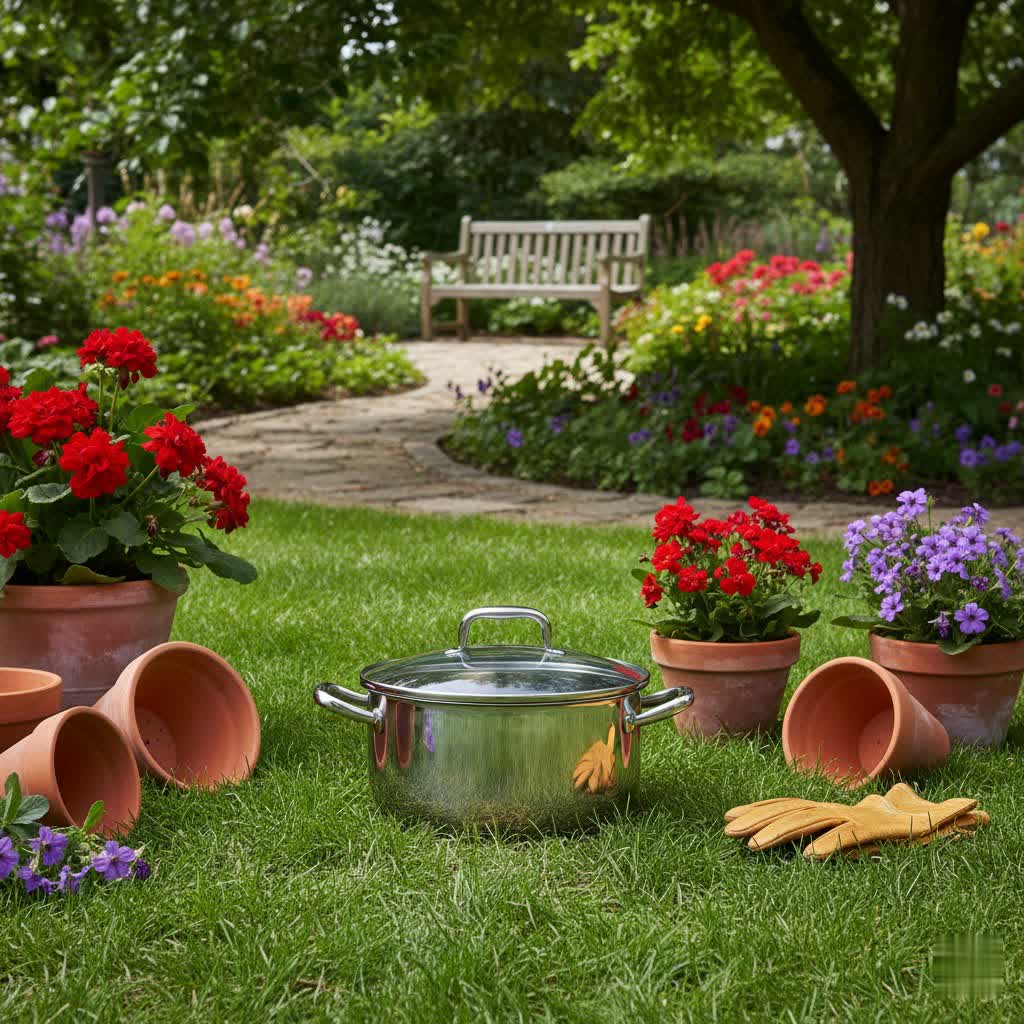
Popular Cooking Pot Types and Their Applications
Before diving into the specifics of hot pot cookers, it’s beneficial to understand the broader landscape of cooking pots, as many hot pot models draw inspiration from their fundamental designs and materials. Each type offers distinct advantages and is suited for different cooking tasks.
Stainless Steel Pots
Stainless steel pots are a kitchen staple, known for their exceptional durability and resistance to rust and corrosion. They are also non-reactive, meaning they won’t leach metals into your food or alter its flavor, making them a safe choice for all types of ingredients.
- Pros: Highly durable, easy to clean, safe for health.
- Cons: Slower heat conduction compared to other materials, requiring careful temperature monitoring to prevent scorching.
- Applications: Ideal for boiling, simmering stews, and preparing soups.
|
Our Picks for the Best Cooking Pot in 2026
As an Amazon Associate I earn from qualifying purchases.
|
||
| Num | Product | Action |
|---|---|---|
| 1 | P&P CHEF Pasta Pot with Strainer Lid, 6 Quart Stainless Steel Stockpot for Home Kitchen Restaurant Cooking, Visible Glass lid Heat-Proof Handles, Dishwasher Safe |

|
| 2 | SENSARTE Nonstick Saucepan with Lid, 1.5 Quarts Small Pot with Swiss Granite Coating, Stay-cool Handle, Multipurpose Handy Sauce Pot Small Kitchen Cooking Pot, Induction Comptable, PFOA Free |
|
| 3 | Amazon Basics Non Stick Kitchen Cookware 8-Piece Set, Non-Induction, Includes Pots and Pans, Black |
|
| 4 | 1-Quart Gray Nonstick Saucepan with Lid |
|
| 5 | MICHELANGELO Nonstick Saucepan with Lid, Ceramic Sauce Pan Sets, Easy to Clean Sauce Pans, Multi-Purpose Cooking Pots, 1QT & 2QT & 3QT, Black |
|
| 6 | Kirecoo Stainless Steel Stock Pot - 8 Quart Heavy Duty Induction Cooking Pot with Visible Lid for Pasta, Soup, Spaghetti, Nonstick Thick Bottom Big Stockpot, Deep Cookware for Canning, Boiling, Simmer |
|
| 7 | Amazon Basics Ceramic Nonstick Pots and Pans Cookware Set, Dishwasher & Oven Safe, Even Heating, 10-Piece Set, Copper Color |
|
| 8 | Amazon Basics Non Stick Kitchen Cookware 15-Piece Set, Non-Induction, Includes Pots, Pans, and Utensils, Black |
|
| 9 | Cook N Home Nonstick Stockpot with Lid 10.5-Qt, Deep Cooking Pot Cookware Canning Stock Pot with Glass Lid, Black |
|
| 10 | Gotham Steel 5 Quart Stock Pot Multipurpose Pasta Pot with Strainer Lid & Twist and Lock Handles, Nonstick Ceramic Surface Makes for Effortless Cleanup with Tempered Glass Lid, Dishwasher Safe |
|
Aluminum Pots
Aluminum pots are recognized for their excellent heat conductivity, allowing them to heat up quickly and distribute warmth evenly. This efficiency makes them a popular choice for rapid cooking.
- Pros: Rapid heat transfer, lightweight, and often more affordable.
- Cons: Prone to oxidation, which can lead to discoloration and, if unanodized, can react with acidic foods, potentially affecting taste and health over prolonged use.
- Applications: Best for quick meals, boiling water, and simple cooking tasks.
Clay Pots
Clay pots, or earthenware, have been used for centuries across various cultures to prepare traditional dishes. Their unique ability to retain heat and impart a distinctive flavor profile makes them a favorite for slow-cooked recipes.
- Pros: Exceptional heat retention, enhances food flavors, and provides gentle, even cooking.
- Cons: Fragile and susceptible to breakage, and can be challenging to clean thoroughly due to their porous nature.
- Applications: Perfect for braising meats, slow-cooking stews, and preparing traditional rice dishes.
Pressure Cookers
Pressure cookers dramatically reduce cooking times by creating a high-pressure environment inside the pot, raising the boiling point of water and accelerating the cooking process. They are a significant time and energy saver.
- Pros: Significantly reduces cooking time, saves energy, and preserves nutrients more effectively than conventional boiling.
- Cons: Requires careful handling and adherence to safety instructions; improper use can be hazardous.
- Applications: Excellent for tenderizing tough cuts of meat, cooking beans and grains quickly, and preparing hearty stews.
Multi-functional Electric Pots (Hot Pot Cookers)
The “hot pot cooker” typically refers to a specialized multi-functional electric pot designed for communal dining. These appliances combine the heating element and cooking vessel into a single, convenient unit, making them perfect for tabletop use. They are the heart of a hot pot gathering, allowing diners to cook a variety of ingredients in simmering broth directly at the table. Modern electric hot pot cookers often come with advanced features, enhancing the dining experience and expanding their utility beyond just hot pot.
- Pros: Highly convenient, multi-functional (can often grill, steam, or sauté), user-friendly with temperature controls. Many models are designed for easy cleaning with non-stick coatings.
- Cons: Can be more expensive than conventional pots, and their size might be a consideration for storage in smaller kitchens.
- Applications: Ideal for hot pot, shabu-shabu, steamboat, grilling (with integrated grill plates), steaming, and even slow-cooking or preparing quick one-pot meals.
Comparison Table of Cooking Pots
To help you visualize the differences and choose the best fit, here’s a comparative overview of the various cooking pot types:
| Type of Pot | Pros | Cons | Primary Applications |
|---|---|---|---|
| Stainless Steel | Durable, easy to clean, food-safe | Slower heat conduction | Boiling, simmering, soups |
| Aluminum | Fast heat transfer, lightweight, affordable | Prone to oxidation, reacts with acidic foods | Quick cooking, simple meals |
| Clay | Excellent heat retention, unique flavor enhancement | Fragile, difficult to clean | Slow cooking, braising, traditional stews |
| Pressure Cooker | Fast cooking, energy-efficient, nutrient retention | Requires careful handling, safety protocols | Tenderizing meats, beans, grains |
| Electric Hot Pot Cooker | Convenient, versatile (grill/steam), precise control | Higher initial cost, requires counter space, electrical safety | Hot pot, shabu-shabu, grilling, steaming |
Guide to Choosing the Right Hot Pot Cooker
Selecting the perfect hot pot cooker involves considering several factors to match your lifestyle and cooking habits. The right choice will enhance your dining experiences and provide lasting utility.
Determine Your Usage Needs
Start by assessing how you plan to use the cooker. Will it be for intimate dinners or large family gatherings? Do you primarily want it for hot pot, or do you desire additional functionalities like grilling or steaming? Understanding your primary use will guide your choice of size and features.
- Dining Group Size: Small (1-2 people) might prefer a 1.5-2L mini pot; medium (3-4 people) a 3-4L pot; large (5+ people) a 5L+ or combined grill/hot pot unit.
- Desired Functions: Look for models with dual-sided pots for different broths, integrated grill plates for a “hot pot and grill” experience, or steamer baskets for added versatility.
- Budget: Prices vary significantly based on brand, size, and features. Set a realistic budget before you start looking.
Pot Material
The material of the hot pot cooker’s inner pot significantly impacts its performance and durability. Most electric hot pot cookers feature non-stick surfaces, while some dedicated hot pot vessels are stainless steel.
- Non-Stick Coating: Common in electric hot pot cookers, making cleaning easier and requiring less oil. Look for PFOA-free and durable coatings.
- Stainless Steel: Excellent for durability and health safety, especially for stovetop hot pot vessels. Ensure it’s food-grade stainless steel like 304.
- Compatibility: If considering an induction burner with a separate pot, ensure the pot is induction-compatible.
Pot Size
The capacity of your hot pot cooker should align with the number of people you typically serve. An overly large pot for a small group wastes energy, while a too-small pot can feel cramped and limit variety.
- Capacity: Ranges from 1.5 liters for personal use to over 5 liters for large families or parties. Consider how many different ingredients you want to cook simultaneously.
- Footprint: Electric hot pot cookers vary in size and shape. Ensure you have adequate table space for dining and storage space in your kitchen.
Brand and Price
Investing in a reputable brand often guarantees better quality, reliability, and customer support. While prices vary, a higher price can sometimes indicate advanced features, better materials, and a longer lifespan.
- Reputable Brands: Look for brands known for kitchen appliances like Aroma Housewares, Dezin, Zojirushi, Sunpentown, or Sonya, which often receive good reviews.
- Warranty: Check the warranty period and customer service options before purchasing.
- Compare Prices: Shop around online and in stores to find the best deals, especially for models with similar features.
Additional Features
Modern hot pot cookers come with a host of additional features that can significantly enhance your cooking experience.
- Temperature Control: Look for adjustable temperature settings, ranging from low (for simmering) to high (for rapid boiling). Some models offer precise control or multiple power levels.
- Dual-Sided Design: A divider in the pot allows you to cook with two different broths simultaneously, catering to varied tastes (e.g., spicy and mild).
- Integrated Grill: Many hot pot cookers combine a hot pot with a grilling surface, offering a versatile “shabu shabu and grill” experience.
- Steamer Insert: Some models include a steamer rack or basket, allowing you to steam dumplings or vegetables while your broth simmers below.
- Safety Features: Auto shut-off, cool-touch handles, and stable bases are crucial safety considerations, especially for tabletop appliances.
- Lid: A transparent glass lid is beneficial for monitoring cooking progress without lifting the lid and releasing heat.
Tips for Using and Maintaining Your Hot Pot Cooker
Proper use and maintenance will ensure your hot pot cooker remains a valuable kitchen tool for years to come, providing delicious meals and safe operation.
Usage
Always prioritize safety and follow the manufacturer’s guidelines to prevent accidents and damage.
- Read the Manual: Before first use, thoroughly read the instruction manual for specific operating procedures and safety warnings unique to your model.
- Never Dry Boil: Avoid heating an empty pot. Always ensure there is liquid (broth or water) in the pot before turning on the power.
- Use Appropriate Utensils: Opt for wooden, silicone, or plastic utensils to prevent scratching the non-stick coating of the inner pot.
- Stable Surface: Place the hot pot cooker on a stable, heat-resistant surface away from edges, especially during use with hot liquids.
- Electrical Safety: Ensure the power cord is in good condition and plugged into a suitable outlet. Avoid overcrowding the outlet.
Cleaning
Regular and proper cleaning will maintain hygiene and extend the life of your hot pot cooker.
- Unplug First: Always unplug the appliance and allow it to cool completely before cleaning.
- Gentle Cleaning: For non-stick surfaces, use a soft sponge or cloth with mild dish soap and warm water. Avoid abrasive scrubbers or harsh chemical detergents, which can damage the coating.
- Soak for Stuck-On Food: If food is burnt or stuck, soak the pot in warm, soapy water for a while to loosen residue before cleaning.
- Exterior: Wipe the exterior and heating base with a damp cloth; never immerse the electrical base in water.
- Dishwasher-Safe Parts: Check if any parts (like detachable inner pots or lids) are dishwasher-safe according to the manufacturer’s instructions.
Storage
Proper storage prevents damage and keeps your kitchen organized.
- Dry and Cool Place: Store your hot pot cooker in a dry, cool area away from direct sunlight or extreme temperatures.
- Protect Surfaces: If the inner pot is removable, place a soft cloth or paper towel between stacked pots to prevent scratches.
- Cord Management: Neatly coil the power cord and secure it, if possible, to prevent tangling or damage.
- Avoid Heavy Objects: Do not place heavy items on top of the hot pot cooker during storage, as this could dent or damage the appliance.
> “A hot pot cooker is more than just a kitchen appliance; it’s a centerpiece for shared joy, bringing people together around a simmering pot of deliciousness. Choosing one that fits your lifestyle is crucial for creating memorable culinary experiences.” – Chef Li Wei, Culinary Instructor specializing in Asian Cuisine.
Conclusion
The hot pot cooker stands out as a versatile and enjoyable addition to any kitchen, offering a unique blend of interactive dining and culinary flexibility. From understanding the different materials and types of pots to selecting the right size and features, making an informed choice ensures you get the most out of this appliance. By following proper usage and maintenance tips, your hot pot cooker will continue to be a source of delicious meals and cherished moments with family and friends. Are you ready to dive into the bubbling world of hot pot?
Frequently Asked Questions
What are the main benefits of an electric hot pot cooker compared to a traditional pot on a stovetop?
Electric hot pot cookers offer unparalleled convenience, precise temperature control, and often come with multi-functional capabilities like dual broths or integrated grilling. Their portability allows for tabletop dining, fostering a communal cooking experience that’s hard to replicate with a traditional stovetop pot.
Can I use my electric hot pot cooker for purposes other than hot pot?
Absolutely! Many electric hot pot cookers are designed to be highly versatile. Depending on the model, they can be used for simmering stews, boiling noodles, sautéing vegetables, steaming dumplings, or even grilling meats, making them a multi-functional appliance for everyday cooking.
How do I choose the right size hot pot cooker for my family?
Consider the number of people you typically cook for. For 1-2 individuals, a mini 1.5-2 liter pot is sufficient. For a family of 3-4, a 3-4 liter pot is ideal. Larger gatherings of 5 or more people would benefit from a 5+ liter cooker or a model with integrated grilling to maximize cooking capacity and variety.
What features should I look for to ensure easy cleaning?
For easy cleaning, prioritize hot pot cookers with non-stick inner pots, as food is less likely to stick. Detachable pots are also a significant advantage, as they can often be washed separately or even in a dishwasher (if specified by the manufacturer), simplifying the cleanup process.
Are dual-sided hot pot cookers worth it?
Yes, dual-sided hot pot cookers are highly recommended if you or your dining companions have varying taste preferences. They allow you to prepare two different types of broth simultaneously—for example, a spicy broth and a mild one—catering to everyone’s palate and enhancing the overall dining experience.
What are common safety features in hot pot cookers?
Common safety features include automatic shut-off functions to prevent overheating, cool-touch handles to protect against burns, and stable non-slip bases to prevent accidental tipping. Some advanced models also feature boil-dry protection, which automatically turns off the heating element if the liquid level becomes too low.
How do I maintain the non-stick coating of my hot pot cooker?
To maintain the non-stick coating, always use wooden, silicone, or plastic utensils to avoid scratching the surface. Clean the pot with a soft sponge and mild soap, avoiding abrasive scrubbers or harsh chemicals. Never overheat an empty pot, as extreme temperatures can degrade the non-stick layer over time.
