Step into any bustling kitchen, and you’ll find a symphony of sights and sounds – the sizzle of oil, the aroma of spices, and at the heart of it all, a collection of essential cooking pots. These aren’t just mere utensils; they are indispensable companions in your culinary journey, each designed to elevate specific dishes and transform everyday ingredients into extraordinary meals. From simmering a comforting broth to searing a perfect steak, the right kitchen pot can significantly enhance your cooking experience, making every moment at the stove more efficient, enjoyable, and delicious. But with an overwhelming array of materials, sizes, and specialized functions, choosing the ideal cooking pot can feel like navigating a complex maze. This comprehensive guide is crafted to demystify the world of kitchen pots, helping you understand their unique characteristics, how to select the perfect ones for your needs, and how to care for them to ensure they remain trusted tools for years to come.
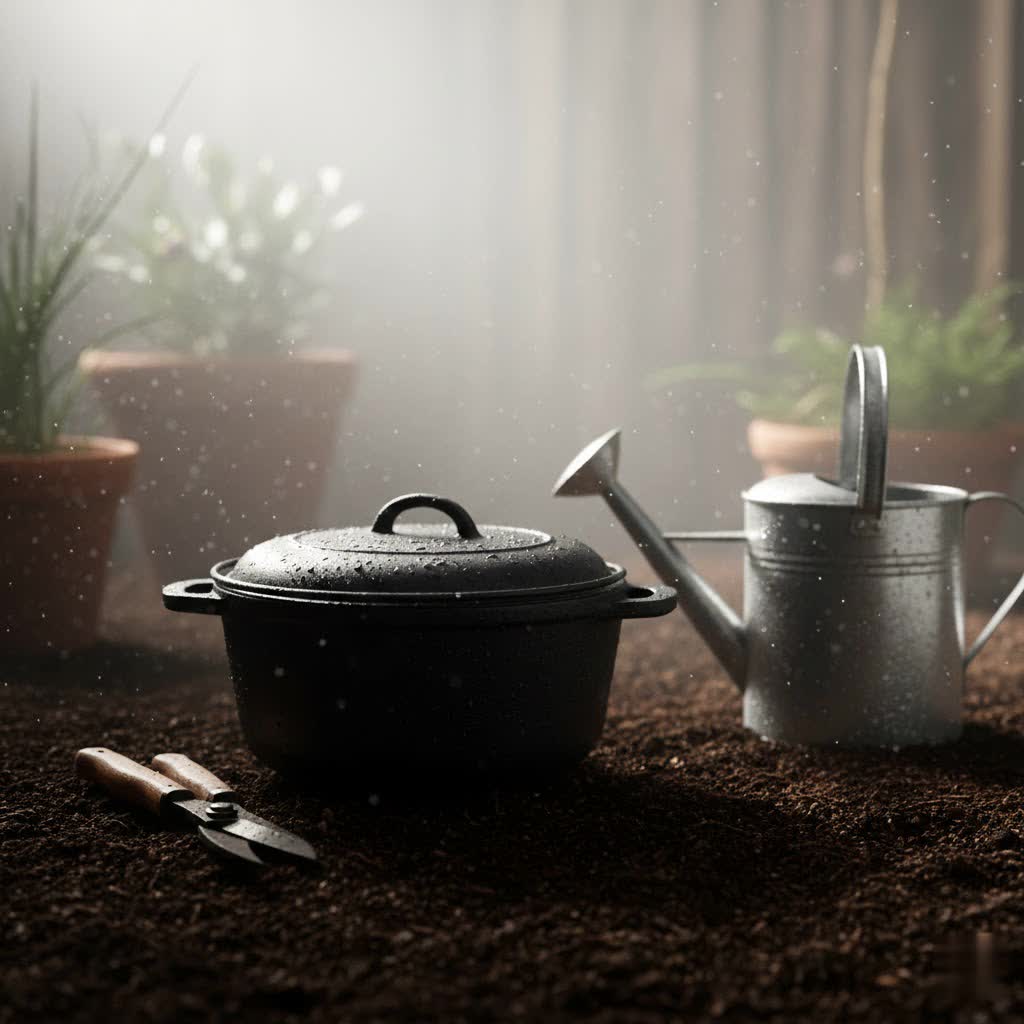
Common Cooking Pot Types and Their Applications
Understanding the diverse landscape of cooking pots is the first step toward building a versatile and effective kitchen arsenal. Each type is engineered with specific features to excel at certain culinary tasks.
Stainless Steel Pots
Stainless steel pots are a staple in kitchens worldwide, renowned for their robustness and aesthetic appeal.
- Advantages: These pots are incredibly durable, resistant to rust, and generally safe for all types of food as they are non-reactive, meaning they won’t alter the taste or color of acidic ingredients. They are also easy to clean and often dishwasher-safe. Many high-quality stainless steel pots feature an aluminum or copper core, providing excellent heat distribution.
- Disadvantages: By themselves, stainless steel is a poor heat conductor, so clad construction (layers of different metals) is crucial for even heating. Food can sometimes stick if the pan isn’t properly preheated with enough fat.
- Applications: Ideal for boiling, simmering, making sauces, blanching vegetables, and preparing soups and stews. Their non-reactive nature makes them perfect for tomato-based dishes.
|
Our Picks for the Best Cooking Pot in 2026
As an Amazon Associate I earn from qualifying purchases.
|
||
| Num | Product | Action |
|---|---|---|
| 1 | 1-Quart Gray Nonstick Saucepan with Lid |

|
| 2 | Amazon Basics Non Stick Kitchen Cookware 15-Piece Set, Non-Induction, Includes Pots, Pans, and Utensils, Black |
|
| 3 | Cook N Home Nonstick Stockpot with Lid 10.5-Qt, Deep Cooking Pot Cookware Canning Stock Pot with Glass Lid, Black |
|
| 4 | Amazon Basics Ceramic Nonstick Pots and Pans Cookware Set, Dishwasher & Oven Safe, Even Heating, 10-Piece Set, Copper Color |
|
| 5 | Gotham Steel 5 Quart Stock Pot Multipurpose Pasta Pot with Strainer Lid & Twist and Lock Handles, Nonstick Ceramic Surface Makes for Effortless Cleanup with Tempered Glass Lid, Dishwasher Safe |
|
| 6 | Kirecoo Stainless Steel Stock Pot - 8 Quart Heavy Duty Induction Cooking Pot with Visible Lid for Pasta, Soup, Spaghetti, Nonstick Thick Bottom Big Stockpot, Deep Cookware for Canning, Boiling, Simmer |
|
| 7 | Amazon Basics Non Stick Kitchen Cookware 8-Piece Set, Non-Induction, Includes Pots and Pans, Black |
|
| 8 | MICHELANGELO Nonstick Saucepan with Lid, Ceramic Sauce Pan Sets, Easy to Clean Sauce Pans, Multi-Purpose Cooking Pots, 1QT & 2QT & 3QT, Black |
|
| 9 | P&P CHEF Pasta Pot with Strainer Lid, 6 Quart Stainless Steel Stockpot for Home Kitchen Restaurant Cooking, Visible Glass lid Heat-Proof Handles, Dishwasher Safe |
|
| 10 | SENSARTE Nonstick Saucepan with Lid, 1.5 Quarts Small Pot with Swiss Granite Coating, Stay-cool Handle, Multipurpose Handy Sauce Pot Small Kitchen Cooking Pot, Induction Comptable, PFOA Free |
|
Aluminum Pots
Lightweight and efficient, aluminum pots are a popular choice for many home cooks.
- Advantages: Aluminum is an excellent heat conductor, meaning it heats up quickly and evenly, allowing for precise temperature control. It’s also typically more affordable than other materials. Anodized aluminum offers increased durability and a non-reactive surface.
- Disadvantages: Raw aluminum can react with acidic and alkaline foods, potentially leaching into food and imparting a metallic taste. It is also prone to dents, scratches, and warping, and some detergents can cause discoloration.
- Applications: Best for tasks requiring rapid and even heating, such as boiling water, quickly cooking vegetables, or preparing simple, non-acidic dishes.
Clay Pots
Embracing ancient culinary traditions, clay pots bring a unique character to slow-cooked meals.
- Advantages: Clay pots are exceptional at retaining and distributing heat evenly, creating a consistent low temperature that tenderizes food beautifully and infuses dishes with rich, earthy flavors. They are perfect for slow-cooking methods.
- Disadvantages: These pots are fragile and prone to breaking if dropped or exposed to sudden temperature changes. They can also be porous, absorbing flavors and odors, making cleaning more challenging.
- Applications: Superb for braising meats, cooking stews, making traditional rice dishes, and imparting a distinct rustic flavor to dishes.
Pressure Cookers
A marvel of modern kitchen technology, pressure cookers significantly reduce cooking times.
- Advantages: Pressure cookers drastically speed up cooking by raising the boiling point of water inside a sealed environment. This not only saves time and energy but also helps retain nutrients and flavor. They are excellent for cooking tough cuts of meat, legumes, and grains quickly.
- Disadvantages: They require careful handling and adherence to safety instructions to prevent accidents. Pressure cooking might not be suitable for all types of delicate foods.
- Applications: Essential for quickly cooking dishes like stews, chili, beans, pot roasts, and even cheesecakes.
Multi-functional Electric Pots
Designed for convenience, multi-functional electric pots offer a range of cooking capabilities in one appliance.
- Advantages: These versatile appliances often combine features like slow cooking, pressure cooking, rice cooking, sautéing, and steaming, all in a single unit. They are user-friendly, programmable, and provide consistent results, often with features like keep-warm settings.
- Disadvantages: They typically come with a higher upfront cost compared to conventional pots. They also take up countertop space and rely on electricity, limiting their portability.
- Applications: Ideal for busy individuals or small kitchens, offering a convenient solution for a wide array of dishes from soups and stews to perfectly cooked rice and steamed vegetables.
Comparison Table of Cooking Pot Types
| Type of Pot | Advantages | Disadvantages | Primary Applications |
|---|---|---|---|
| Stainless Steel | Durable, non-reactive, easy to clean | Poor heat conductor alone, food may stick | Boiling, simmering, sauces, soups |
| Aluminum | Excellent heat conduction, lightweight, affordable | Reactive with acidic foods, dents/scratches | Fast boiling, quick cooking, non-acidic dishes |
| Clay | Superior heat retention, unique flavor profile | Fragile, difficult to clean, absorbs flavors | Braising, slow-cooking, traditional stews |
| Pressure Cooker | Rapid cooking, energy-efficient, nutrient retention | Requires careful handling, safety protocols | Tough meats, legumes, grains, stews |
| Electric Multi-functional | Versatile, convenient, programmable, consistent results | Higher cost, takes counter space, electricity-dependent | All-in-one cooking: slow cook, pressure, rice, sauté |
Guide to Choosing the Right Cooking Pot
Selecting the perfect cooking pot involves a thoughtful assessment of your culinary habits, kitchen setup, and personal preferences.
Determine Your Cooking Needs
What culinary adventures do you embark on most frequently? Consider the types of meals you prepare, how often you cook, and the number of people you typically feed. Do you often make large batches of soup, slow-cook hearty stews, or quickly sauté vegetables? Your answers will guide you toward the most appropriate pot types and sizes. For instance, a large stockpot is indispensable for families who love homemade broths, while a smaller saucepan might be perfect for individual servings.
Material Matters
The material of your cooking pot is paramount, influencing everything from heat distribution to durability and maintenance. Prioritize materials that are safe and non-reactive, such as high-grade stainless steel or enameled cast iron. If you have an induction cooktop, ensure the pot’s base is magnetic. For gas stoves, most materials are compatible. Evaluate the material’s heat conductivity and retention based on your cooking style – copper for precision, cast iron for searing and slow cooking, and stainless steel for all-around versatility.
Size and Capacity
Choosing the correct pot size is crucial for efficient cooking. A pot that is too large for the amount of food will waste energy, while one that is too small can lead to overcrowding and uneven cooking. Consider the typical portion sizes you prepare. A 1-2 quart saucepan is great for single servings or small sauces, while a 6-8 quart stockpot or Dutch oven is ideal for family meals and larger batches.
Brand Reputation and Price
Invest in reputable brands that offer good warranties and customer support. While a higher price often correlates with better quality and longevity, it’s wise to compare prices across different retailers and consider sales. Remember, a durable, well-chosen pot is an investment that will serve your kitchen for many years.
Additional Features
Look for thoughtful features that enhance safety, convenience, and performance. Heat-resistant handles are a must for comfortable and safe handling. Tight-fitting lids are essential for retaining moisture and heat, especially for simmering and braising. Vented lids prevent boil-overs. Multi-layered bases (like encapsulated or clad bottoms) improve heat distribution. For electric pots, consider features like programmable settings and automatic keep-warm functions.
Tips for Using and Maintaining Cooking Pots
Proper usage and consistent care are key to extending the life of your kitchen pots and ensuring they perform optimally with every use.
Usage Best Practices
Always begin by reading the manufacturer’s instructions specific to your cooking pot. Avoid preheating an empty pot on high heat, especially nonstick or ceramic surfaces, as this can damage the coating or material. When stirring or scraping, opt for wooden, silicone, or heat-resistant plastic utensils to prevent scratching the interior, preserving the pot’s nonstick properties and overall integrity.
> “The secret to making your cookware last isn’t just about buying quality; it’s about respectful use. Treat your pots like the invaluable tools they are, and they will serve you faithfully for decades.” – Chef Anya Sharma, Culinary Educator.
Cleaning Techniques
Clean your pots promptly after each use to prevent food from drying and sticking. Allow hot pots to cool down before washing to prevent warping due to thermal shock. Generally, mild dish soap, warm water, and a soft sponge are sufficient for most materials. Avoid harsh abrasive scrubbers or steel wool, particularly on nonstick, ceramic, and copper surfaces. For stubborn burnt-on food, soaking the pot in warm soapy water for 15-20 minutes often helps loosen residue. Baking soda paste can be effective for tough stains, while a vinegar-water solution can restore shine to stainless steel. Remember, raw cast iron should never be washed with soap or in a dishwasher, as this strips its natural seasoning.
Storage and Care
After cleaning, ensure your pots are thoroughly dry before storing them to prevent rust, especially for cast iron. Store pots in a dry, well-ventilated area. To prevent scratches and chips, especially with nonstick or ceramic cookware, avoid stacking them directly on top of each other. Instead, place a soft cloth, paper towel, or pan protector between stacked pots and pans. For cast iron, a light layer of cooking oil after drying helps maintain its seasoned surface.
Conclusion
The world of cooking pots is rich and varied, offering a specialized tool for nearly every culinary endeavor. From the enduring strength of stainless steel to the rapid responsiveness of aluminum, the soulful embrace of clay, the efficiency of pressure cookers, and the versatile convenience of electric multi-cookers, each type plays a vital role in crafting delicious meals. By understanding the unique advantages and considerations of each material and design, you empower yourself to make informed choices that perfectly align with your cooking style and needs. With the right selection, coupled with diligent care and maintenance, your kitchen pots will not only serve as essential tools but also become cherished companions in countless culinary creations, helping you explore new flavors and perfect beloved recipes for years to come. What culinary masterpiece will you create with your ideal cooking pot next?
