In today’s fast-paced world, finding time to prepare nutritious and delicious meals can be a significant challenge. Between work, family, and daily commitments, the thought of spending hours in the kitchen often feels daunting. This is where the venerable slow cooker pot emerges as a kitchen hero, transforming culinary routines and bringing the joy of home-cooked meals back into busy lives. Designed for convenience and renowned for its ability to tenderize ingredients and deepen flavors, a slow cooker pot allows you to “set it and forget it,” returning to a ready-made feast. This comprehensive guide will delve into everything you need to know about slow cooker pots, helping you choose the best model, understand its unique benefits, and master its use for delightful culinary creations.
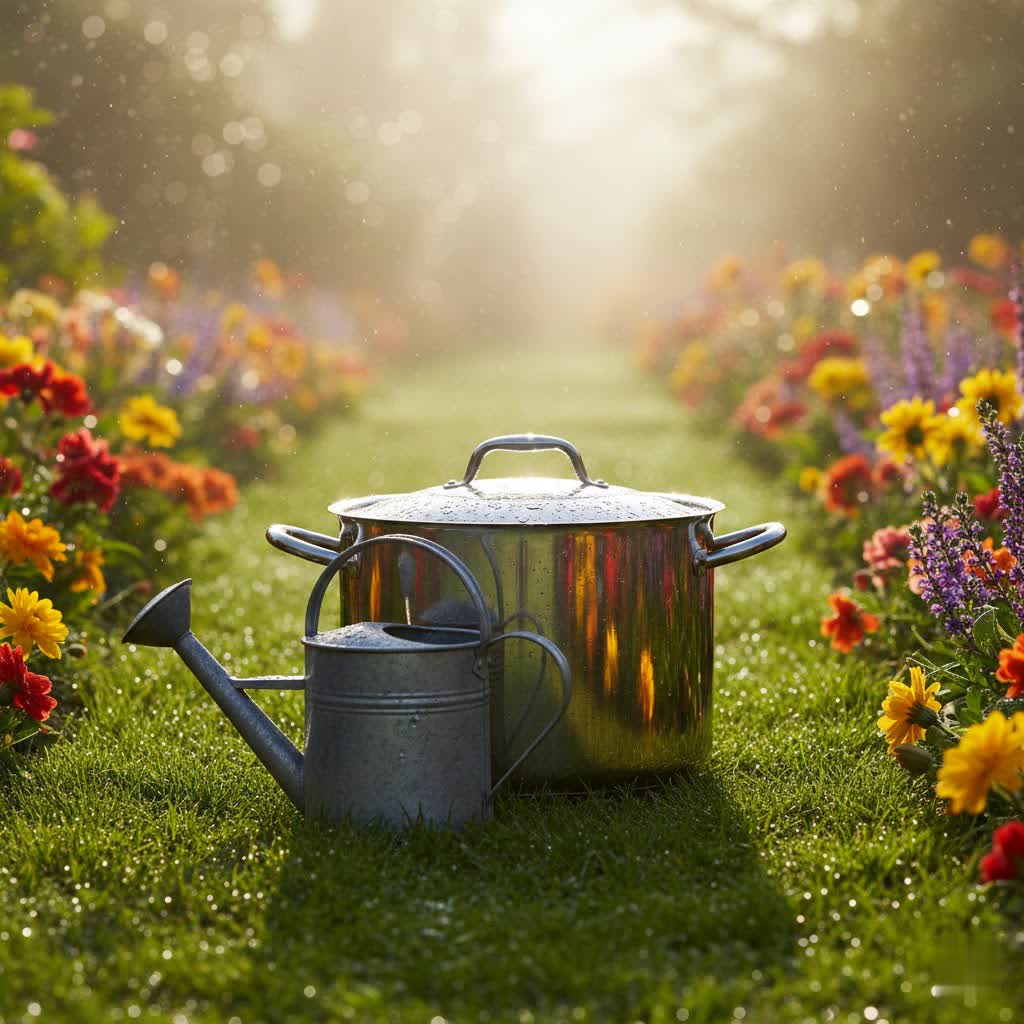
Popular Cooking Pots and Their Applications
While the kitchen boasts a variety of cooking vessels, each serving a specific purpose, the slow cooker pot stands out as a distinct electric appliance that offers unique advantages, particularly for unattended, long-duration cooking. Let’s briefly look at other common pot types before diving into the specialized world of slow cooking.
Stainless Steel Pots
- Advantages: Highly durable, rust-resistant, non-reactive with food, and easy to clean. Many are induction-compatible.
- Disadvantages: Can have uneven heat distribution if not multi-clad, potentially leading to hot spots. They also transmit heat slowly compared to aluminum.
- Applications: Ideal for boiling, steaming, simmering soups and sauces, and general everyday cooking.
|
Our Picks for the Best Cooking Pot in 2026
As an Amazon Associate I earn from qualifying purchases.
|
||
| Num | Product | Action |
|---|---|---|
| 1 | Amazon Basics Ceramic Nonstick Pots and Pans Cookware Set, Dishwasher & Oven Safe, Even Heating, 10-Piece Set, Copper Color |

|
| 2 | Amazon Basics Non Stick Kitchen Cookware 15-Piece Set, Non-Induction, Includes Pots, Pans, and Utensils, Black |
|
| 3 | Cook N Home Nonstick Stockpot with Lid 10.5-Qt, Deep Cooking Pot Cookware Canning Stock Pot with Glass Lid, Black |
|
| 4 | SENSARTE Nonstick Saucepan with Lid, 1.5 Quarts Small Pot with Swiss Granite Coating, Stay-cool Handle, Multipurpose Handy Sauce Pot Small Kitchen Cooking Pot, Induction Comptable, PFOA Free |
|
| 5 | 1-Quart Gray Nonstick Saucepan with Lid |
|
| 6 | P&P CHEF Pasta Pot with Strainer Lid, 6 Quart Stainless Steel Stockpot for Home Kitchen Restaurant Cooking, Visible Glass lid Heat-Proof Handles, Dishwasher Safe |
|
| 7 | Kirecoo Stainless Steel Stock Pot - 8 Quart Heavy Duty Induction Cooking Pot with Visible Lid for Pasta, Soup, Spaghetti, Nonstick Thick Bottom Big Stockpot, Deep Cookware for Canning, Boiling, Simmer |
|
| 8 | Gotham Steel 5 Quart Stock Pot Multipurpose Pasta Pot with Strainer Lid & Twist and Lock Handles, Nonstick Ceramic Surface Makes for Effortless Cleanup with Tempered Glass Lid, Dishwasher Safe |
|
| 9 | MICHELANGELO Nonstick Saucepan with Lid, Ceramic Sauce Pan Sets, Easy to Clean Sauce Pans, Multi-Purpose Cooking Pots, 1QT & 2QT & 3QT, Black |
|
| 10 | Amazon Basics Non Stick Kitchen Cookware 8-Piece Set, Non-Induction, Includes Pots and Pans, Black |
|
Aluminum Pots
- Advantages: Excellent heat conductor, very lightweight, and typically more affordable. Heats up quickly and evenly.
- Disadvantages: Can react with acidic foods, potentially leaching into food and affecting taste or color. Less durable than stainless steel and prone to dents.
- Applications: Best for quick-cooking tasks like boiling water, making pasta, or preparing fast sauces.
Clay Pots
- Advantages: Exceptional heat retention, distributing heat gently and evenly, which can enhance the flavor of dishes, giving them a distinct earthy quality.
- Disadvantages: Fragile and susceptible to breaking, can be difficult to clean, and requires careful handling to avoid thermal shock.
- Applications: Traditionally used for slow-cooked stews, braised dishes, rice dishes, and imparting unique flavors to specific regional cuisines.
Pressure Cookers
- Advantages: Significantly reduces cooking time by trapping steam and building pressure, making tough cuts of meat tender in a fraction of the time. Highly energy-efficient.
- Disadvantages: Requires careful operation and adherence to safety guidelines due to high internal pressure. Not suitable for all delicate foods.
- Applications: Perfect for quickly preparing tough meats, beans, grains, and hearty stews when time is of the essence.
Electric Multi-Function Pots (Including Slow Cooker Pot Functionality)
- Advantages: Highly convenient, often combining multiple cooking functions (pressure cook, sauté, steam, rice cook) into one appliance, with the slow cooker pot setting being a standout feature. They offer precise temperature control and programmable timers, perfect for busy schedules.
- Disadvantages: Generally higher in initial cost than basic single-function pots. Can take up more counter space.
- Applications: Extremely versatile, enabling a wide array of cooking methods, from fast pressure cooking to all-day slow simmering of roasts, stews, and chilis. The dedicated slow cooker function allows for low, consistent heat over many hours, making it an invaluable tool for meal prep and hands-off cooking.
Comparison Table of Popular Cooking Pots
| Type of Pot | Advantages | Disadvantages | Primary Applications | Unique Slow Cooker Pot Aspects |
|---|---|---|---|---|
| Stainless Steel | Durable, non-reactive, easy to clean | Slower heat conduction | Boiling, simmering, general cooking | N/A – Not an electric appliance |
| Aluminum | Excellent heat conduction, lightweight, affordable | Reactive with acidic foods, less durable | Quick boiling, fast sauces | N/A – Not an electric appliance |
| Clay | Superior heat retention, enhances flavor | Fragile, difficult to clean, susceptible to shock | Braising, stews, traditional slow-cooking without electricity | N/A – Traditional, non-electric slow cooking |
| Pressure Cooker | Rapid cooking, energy-efficient, tenderizes meat | Requires careful operation, not for all foods | Fast cooking of tough meats, beans, grains | Focuses on speed, opposite of slow cooker’s extended cooking |
| Slow Cooker Pot / Electric Multi-Pot | Unattended cooking, tenderizes, flavor development, convenient features | Slower cooking times, takes up counter space | Roasts, stews, soups, chilis, meal prepping | Specialized for low, long cooking; programmable; safe for unattended use |
Guide to Choosing the Right Slow Cooker Pot
Selecting the ideal slow cooker pot involves considering your specific cooking habits, household size, and desired features. Making an informed choice ensures you get the most out of this convenient kitchen appliance.
Determine Your Cooking Needs
Consider what you primarily intend to cook. Are you preparing large roasts for a family, meal-prepping for one or two, or making dips for gatherings? This will influence the ideal size and shape. A larger family or frequent entertainer might prefer a 6-quart or 7-quart model, while individuals or couples might find a 3-quart slow cooker pot sufficient, even small ones are great for keeping dips warm.
Pot Material and Construction
Most slow cooker pots feature a ceramic or stoneware insert, known for excellent heat retention and even cooking. Some newer models, or those part of multi-cookers, might have non-stick coated aluminum or stainless steel inserts. Ceramic and stoneware are generally heavier but excel at gentle, consistent heat. Regardless of the material, ensure the inner pot is removable for easy cleaning, ideally dishwasher-safe.
Size and Shape
Slow cooker pots typically come in round or oval shapes, with capacities ranging from 1.5 quarts to over 8 quarts. Round pots are excellent for soups, stews, and smaller dishes, while oval slow cooker pots are better suited for larger cuts of meat like whole chickens, roasts, or racks of ribs. It’s also important to note that a slow cooker functions optimally when filled between one-half and three-quarters full to prevent over or under-cooking.
Brand and Price
Invest in a reputable brand that offers a good warranty and reliable customer support. While basic manual models are very affordable, programmable or multi-function slow cooker pots will naturally come at a higher price point. Evaluate the cost against the features you truly need.
Additional Features to Consider
- Programmable Settings: Many slow cooker pots offer digital controls that allow you to set specific cooking times and automatically switch to a “keep warm” function once cooking is complete, preventing food from overcooking or drying out.
- Lid Type: A clear glass lid allows you to monitor your food’s progress without lifting it, which helps maintain consistent internal temperature and prevents heat loss, saving cooking time. Some lids even feature a locking mechanism, making transport of your cooked meals safer and mess-free.
- Sear/Sauté Function: High-end slow cooker pots or multi-cookers may include a sear or sauté function directly in the pot, allowing you to brown meats and vegetables before slow cooking, which can enhance flavor without dirtying an extra pan.
- Temperature Probe: Some advanced models include a temperature probe that automatically switches to “keep warm” once the food reaches a target internal temperature, ensuring perfect doneness.
- Wi-Fi Connectivity: For ultimate convenience, some modern slow cooker pots can be controlled remotely via a smartphone app, allowing you to adjust settings from anywhere.
Tips for Using and Maintaining Your Slow Cooker Pot
To ensure your slow cooker pot performs optimally and lasts for years, proper usage and maintenance are key.
Usage Best Practices
- Read the Manual: Always familiarize yourself with your specific model’s instructions, as features and recommendations can vary.
- Proper Filling: Fill your slow cooker pot between half and three-quarters full. Underfilling can lead to overcooked or dried-out food, while overfilling might cause spills.
- Avoid Lifting the Lid: Resist the temptation to peek! Lifting the lid releases heat and steam, significantly extending the cooking time. Each lift can add 20-30 minutes to your cooking process.
- Brown Meats First (Optional): While not strictly necessary, browning meat on the stovetop before adding it to the slow cooker can add depth of flavor and better texture to your dish.
- Use Liners: For incredibly easy cleanup, consider using slow cooker liners. These disposable bags fit inside the ceramic pot and prevent food from sticking, making post-meal cleanup a breeze.
Cleaning and Care
- Cool Down First: Always turn off and unplug your slow cooker pot and allow it to cool completely before cleaning to prevent burns and thermal shock to ceramic inserts.
- Removable Parts: The lid and removable stoneware or ceramic insert are typically dishwasher-safe or can be washed by hand with hot, soapy water. Avoid using abrasive scrubbers or harsh cleaners, which can scratch surfaces.
- Deep Cleaning: For stubborn stains or burnt-on food, fill the pot with water, add a cup of distilled white vinegar and a cup of baking soda (for a 6-quart pot), cover, and cook on low for an hour. This helps loosen residue for easier cleaning.
- Base Unit: Never immerse the heating base in water or any other liquid. Clean the exterior with a damp cloth and mild soap, then wipe dry.
- Storage: Ensure all parts are thoroughly dry before reassembling and storing your slow cooker pot in a cool, dry place. Regularly check the power cord for any signs of damage.
“A slow cooker is more than just an appliance; it’s a time-saver and a flavor enhancer, allowing humble ingredients to transform into extraordinary meals with minimal effort.” – John Smith, Culinary Appliance Expert
In conclusion, the slow cooker pot is an indispensable tool for anyone seeking convenience without compromising on taste or nutrition. From tenderizing tough cuts of meat to simmering rich, aromatic stews, its unique low-and-slow cooking method guarantees flavorful results with minimal effort. By understanding the different types, selecting the right size and features, and adhering to simple usage and maintenance tips, you can unlock a world of effortless culinary possibilities.
What culinary adventures will your slow cooker pot inspire next?
Frequently Asked Questions
What is the ideal liquid level for a slow cooker pot?
A slow cooker pot should generally be filled between one-half and three-quarters full. This ensures efficient and even cooking, preventing food from drying out if underfilled or overflowing if overfilled. It also helps maintain consistent temperatures throughout the cooking cycle.
Can I put frozen meat directly into a slow cooker pot?
It is generally not recommended to put frozen meat directly into a slow cooker pot. The slow heating process means the meat may stay in the “danger zone” (between 40°F and 140°F) for too long, promoting bacterial growth. Always thaw meat thoroughly before adding it to your slow cooker for safety.
Is there a difference between a slow cooker and a Crock-Pot?
“Crock-Pot” is a specific brand name for a type of slow cooker, similar to how “Kleenex” refers to a facial tissue. While all Crock-Pots are slow cookers, not all slow cookers are Crock-Pots. The terms are often used interchangeably due to the brand’s widespread popularity.
How do I prevent food from drying out in my slow cooker pot?
To prevent food from drying out, ensure your slow cooker pot is adequately filled, and resist the urge to lift the lid frequently. The trapped moisture is crucial for tender results. Additionally, choose recipes with sufficient liquid, and consider adding moisture-rich ingredients like vegetables or broths.
Can I leave my slow cooker pot unattended all day?
Yes, a primary advantage of a slow cooker pot is its ability for unattended cooking. Modern slow cookers are designed with safety in mind, using low, consistent heat. You can safely leave it to cook while you are at work or out, returning to a delicious, ready-made meal.
