Stepping into the kitchen, whether you’re a seasoned chef or a culinary novice, you quickly realize the heart of any great meal often lies in the quality of your cooking pots. These fundamental tools are far more than mere vessels; they dictate heat distribution, influence flavor, and significantly impact your cooking efficiency. Choosing the right “best pot” for your specific needs can transform your culinary experience, making cooking more enjoyable and producing consistently delicious results. This comprehensive guide will navigate the diverse world of cooking pots, exploring various types, materials, and essential considerations to help you select the perfect companions for your kitchen adventures.
Types of Cooking Pots and Their Applications
Understanding the different categories of cooking pots is the first step toward building a functional and effective kitchen arsenal. Each type is designed with specific materials and features that make it ideal for certain cooking tasks, from quick boils to slow braises.
Stainless Steel Pots
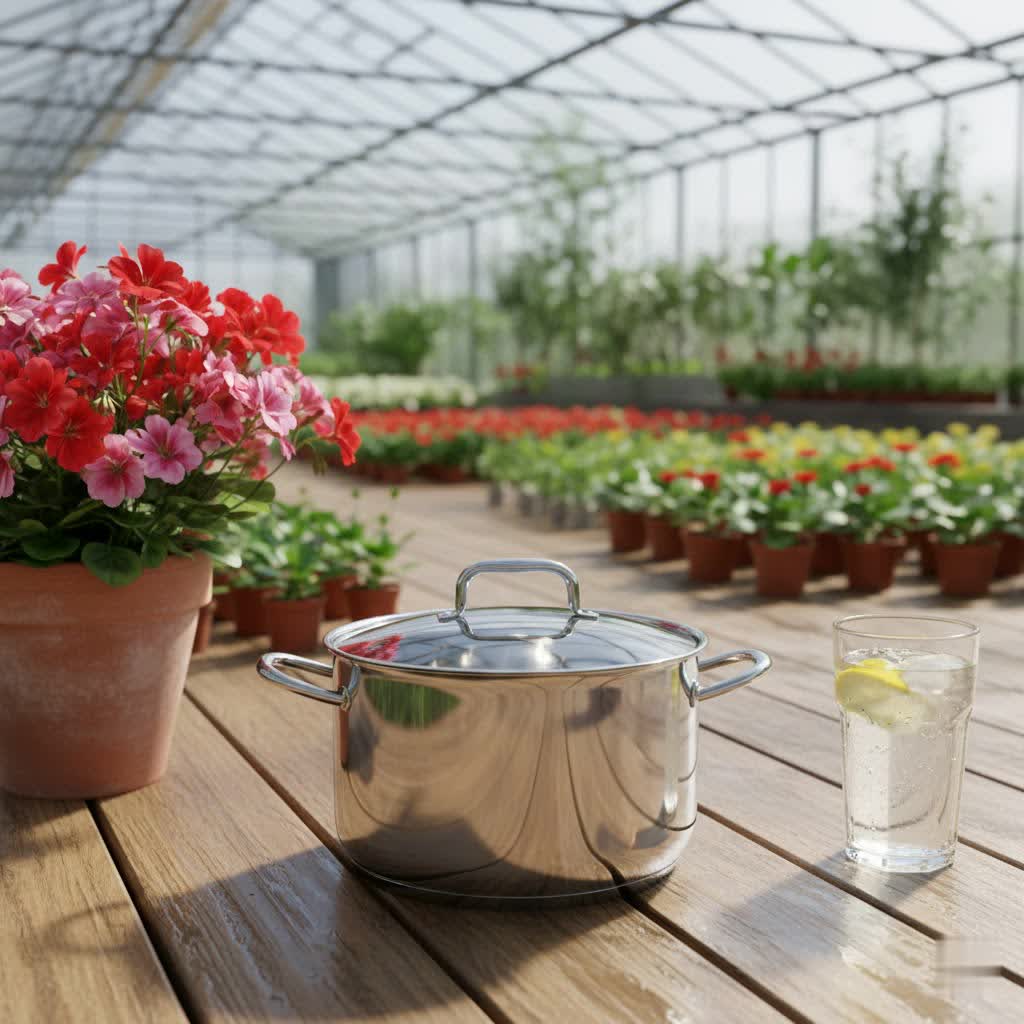
Stainless steel is a cornerstone in both professional and home kitchens, celebrated for its durability and versatility. These pots are non-reactive, meaning they won’t leach flavors or chemicals into your food, making them safe for acidic ingredients. High-quality stainless steel cookware often features a multi-ply construction, incorporating layers of aluminum or copper to enhance heat distribution, as stainless steel alone is not the best conductor.
Advantages:
- Highly durable and resistant to scratches and dents.
- Non-reactive with acidic and alkaline foods.
- Versatile for searing, sautéing, simmering, and boiling.
- Often oven-safe, induction-compatible, and dishwasher-friendly.
Disadvantages:
- Can be prone to food sticking if not properly preheated and oiled.
- May take longer to heat up compared to more conductive materials.
|
Our Picks for the Best Cooking Pot in 2026
As an Amazon Associate I earn from qualifying purchases.
|
||
| Num | Product | Action |
|---|---|---|
| 1 | Kirecoo Stainless Steel Stock Pot - 8 Quart Heavy Duty Induction Cooking Pot with Visible Lid for Pasta, Soup, Spaghetti, Nonstick Thick Bottom Big Stockpot, Deep Cookware for Canning, Boiling, Simmer |

|
| 2 | Amazon Basics Non Stick Kitchen Cookware 8-Piece Set, Non-Induction, Includes Pots and Pans, Black |
|
| 3 | 1-Quart Gray Nonstick Saucepan with Lid |
|
| 4 | MICHELANGELO Nonstick Saucepan with Lid, Ceramic Sauce Pan Sets, Easy to Clean Sauce Pans, Multi-Purpose Cooking Pots, 1QT & 2QT & 3QT, Black |
|
| 5 | SENSARTE Nonstick Saucepan with Lid, 1.5 Quarts Small Pot with Swiss Granite Coating, Stay-cool Handle, Multipurpose Handy Sauce Pot Small Kitchen Cooking Pot, Induction Comptable, PFOA Free |
|
| 6 | Amazon Basics Non Stick Kitchen Cookware 15-Piece Set, Non-Induction, Includes Pots, Pans, and Utensils, Black |
|
| 7 | Gotham Steel 5 Quart Stock Pot Multipurpose Pasta Pot with Strainer Lid & Twist and Lock Handles, Nonstick Ceramic Surface Makes for Effortless Cleanup with Tempered Glass Lid, Dishwasher Safe |
|
| 8 | Cook N Home Nonstick Stockpot with Lid 10.5-Qt, Deep Cooking Pot Cookware Canning Stock Pot with Glass Lid, Black |
|
| 9 | P&P CHEF Pasta Pot with Strainer Lid, 6 Quart Stainless Steel Stockpot for Home Kitchen Restaurant Cooking, Visible Glass lid Heat-Proof Handles, Dishwasher Safe |
|
| 10 | Amazon Basics Ceramic Nonstick Pots and Pans Cookware Set, Dishwasher & Oven Safe, Even Heating, 10-Piece Set, Copper Color |
|
Common Applications:
Stainless steel pots are excellent for everyday cooking, including boiling pasta, crafting intricate sauces, searing meats, sautéing vegetables, and preparing large batches of soups and stews.
Aluminum Pots
Aluminum pots are a popular choice due to their exceptional heat conductivity and affordability. They heat up quickly and evenly, which is beneficial for many cooking applications. Aluminum is also remarkably lightweight, making these pots easy to handle.
Advantages:
- Excellent and rapid heat conduction.
- Lightweight and easy to maneuver.
- Generally more affordable than other materials.
Disadvantages:
- Untreated aluminum can react with acidic foods, potentially altering flavor and causing discoloration.
- Susceptible to warping under extreme temperature fluctuations.
- Some health concerns exist regarding prolonged exposure to aluminum, though anodized aluminum mitigates these.
Common Applications:
Best suited for quick, high-heat cooking tasks and boiling water. Anodized aluminum versions offer improved durability and non-reactivity, making them suitable for a wider range of everyday cooking.
Ceramic and Clay Pots
Ceramic and clay pots, including enameled cast iron, are prized for their superior heat retention and ability to impart unique flavors to dishes. These pots often transition beautifully from stove to table, serving as attractive serving vessels. Enameled cast iron, in particular, offers the robust heat properties of cast iron with a non-reactive, easy-to-clean enamel coating.
Advantages:
- Exceptional heat retention, ideal for slow cooking.
- Can create distinctive flavors and textures (especially unglazed clay).
- Enameled cast iron is durable and non-reactive.
- Many ceramic nonstick options are free from harmful chemicals like PFAS.
Disadvantages:
- Unglazed clay pots can be fragile and more challenging to clean.
- Enameled cast iron is heavy and can be slow to heat up.
- Not all ceramic types are suitable for direct heat from stovetops.
Common Applications:
Perfect for slow-cooked dishes like stews, braises, pot roasts, and rice. Enameled cast iron is versatile for searing, baking, and long simmering.
Pressure Cookers
Pressure cookers are indispensable for those who value speed and efficiency in the kitchen. By trapping steam, they create a high-pressure environment that significantly elevates boiling points, drastically reducing cooking times and energy consumption. This method also helps to lock in nutrients and flavors.
Advantages:
- Dramatically reduces cooking time and energy use.
- Retains moisture, nutrients, and flavors in food.
- Ideal for tough cuts of meat and dried beans.
Disadvantages:
- Requires careful adherence to safety instructions for operation.
- Can have a steeper learning curve than conventional pots.
- Typically a higher initial investment.
Common Applications:
Excellent for quickly tenderizing tough meats, cooking dried beans and legumes, making hearty stews, and preparing grains in a fraction of the time.
Electric Multi-Cookers
Modern electric multi-cookers, such as Instant Pots, represent the pinnacle of convenience and versatility. These appliances combine multiple functions into one unit, often including pressure cooking, slow cooking, sautéing, steaming, and rice cooking capabilities. They are a true workhorse for busy kitchens.
Advantages:
- Extremely versatile with numerous cooking functions.
- Often programmable for hands-off cooking.
- User-friendly and simplifies complex recipes.
Disadvantages:
- Generally higher priced than traditional stovetop pots.
- Can take up significant counter space.
Common Applications:
Ideal for a wide array of dishes, from perfectly cooked rice and steamed vegetables to complex slow-cooked stews, quick pressure-cooked meals, and even yogurt.
Comparison Table of Cooking Pots
To help visualize the distinct characteristics of each pot type, here’s a comparative overview:
| Type of Pot | Pros | Cons | Common Applications |
|---|---|---|---|
| Stainless Steel | Durable, non-reactive, versatile, even heat (multi-ply) | Can stick without proper technique | Searing, boiling, sauces, everyday cooking |
| Aluminum | Excellent heat conduction, lightweight, affordable | Reactive with acidic foods (untreated), can warp | Quick heating, general cooking (anodized) |
| Ceramic/Clay | Great heat retention, unique flavors, non-toxic (ceramic nonstick) | Fragile, heavy (enameled cast iron), slow to heat | Slow cooking, braising, casseroles |
| Pressure Cooker | Fast cooking, energy efficient, nutrient retention | Requires safety precautions | Stews, tough meats, grains, beans |
| Electric Multi-Cooker | Versatile, programmable, convenient, multiple functions | Higher cost, bulky | All-in-one cooking, rice, stews, slow cooking |
How to Choose the Best Cooking Pot for Your Kitchen
Selecting the “best pot” isn’t about finding a single perfect item, but rather finding the right combination of pots that align with your unique cooking style and kitchen setup. Consider these factors when making your decision.
Assess Your Cooking Needs and Habits
Begin by reflecting on your typical cooking routine. Do you frequently prepare quick weeknight meals, or do you enjoy elaborate weekend cooking projects? The number of people you cook for also dictates the size and quantity of pots you’ll need. Furthermore, identifying your stovetop type—gas, electric coil, ceramic, or induction—is crucial, as some materials are not compatible with all heat sources.
Understand Cookware Materials
The material of your pot profoundly affects its performance. For durability, versatility, and non-reactivity, stainless steel with a multi-ply construction is an excellent all-around choice. If rapid, even heating is your priority, aluminum (especially anodized) performs well. For superior heat retention, ideal for searing and slow cooking, cast iron (enameled or raw) is unmatched. For delicate foods and easy cleanup, nonstick surfaces, particularly ceramic or PTFE-free options, are invaluable. For precise temperature control, copper offers instant responsiveness, though it often requires a stainless steel lining.
Consider Size and Capacity
Matching the pot’s size and capacity to your cooking habits is vital for efficiency and effective cooking. A pot that is too large will waste energy heating unnecessary space, while one that is too small can lead to overflow and uneven cooking. Ensure your pots fit comfortably on your stove burners and within your oven, if applicable. A good rule of thumb is to have a range of sizes, from small saucepans for single servings to larger stockpots for family meals.
Evaluate Brand Reputation and Price
While it can be tempting to opt for the cheapest option, investing in reputable brands often pays off in terms of durability, performance, and longevity. Brands like All-Clad and Tramontina are frequently praised for their stainless steel offerings, delivering consistent results and standing the test of time. While higher-priced, quality cookware can be a worthwhile long-term investment, often outperforming cheaper alternatives. Many experts suggest purchasing a complete cookware set initially, as it can be more cost-effective than buying individual pieces and ensures aesthetic consistency.
Look for Essential and Bonus Features
Beyond the core material, certain features enhance usability and safety. Look for sturdy, ergonomically designed handles that stay cool to the touch and are securely riveted. Tight-fitting lids, especially glass ones, are excellent for trapping heat and moisture while allowing you to monitor your food. Oven-safe temperature ratings are important for recipes that transition from stovetop to oven. For induction users, ensure the pots have a magnetic base. Multi-ply construction in stainless steel is also a key feature for superior heat distribution.
Tips for Using and Maintaining Your Cooking Pots
Proper care and usage will extend the life of your cooking pots and ensure they perform at their best for years to come.
Proper Usage
Always begin by thoroughly reading the manufacturer’s instructions for your specific pot. For stainless steel, proper preheating with a little oil is key to preventing food from sticking. Avoid using excessively high heat with nonstick coatings, as this can damage the surface and release harmful fumes. Always match the pot’s base size to your burner to ensure efficient heating and prevent handle damage from direct flame. When stirring, opt for utensils made from wood, silicone, or heat-resistant plastic to protect interior surfaces from scratches.
Effective Cleaning
Clean your pots promptly after each use to prevent food from drying and sticking. Avoid abrasive scrubbers or harsh chemical cleaners, which can damage finishes and nonstick coatings. For stubborn, stuck-on food, soaking the pot in warm water with a little dish soap can work wonders before gentle scrubbing. Although some cookware is labeled “dishwasher-safe,” handwashing is often recommended to preserve the finish and extend the lifespan of your pots.
Smart Storage
Store your cooking pots in a dry, cool place to prevent moisture buildup and potential damage. When stacking pots, place soft cloths, paper towels, or felt pot protectors between them to prevent scratches and chips. If space allows, hanging pots can be an excellent way to keep them organized, easily accessible, and free from dings.
“We recommend stainless steel as the best all-around cookware for most people. While there’s a slight learning curve compared to nonstick… the durability, performance, and flexibility make it the best long-term investment for everyday cooking.” – Nicole Papantoniou, Kitchen Appliances Lab Director, Good Housekeeping
Conclusion
Choosing the “best pot” for your kitchen is an investment in countless delicious meals and a more enjoyable cooking journey. By understanding the unique characteristics of different materials and pot types, assessing your personal cooking needs, and prioritizing durability and functionality, you can build a cookware collection that truly serves you. From the robust reliability of stainless steel to the rapid efficiency of a pressure cooker, each pot offers distinct advantages. Take the time to consider your options, and you’ll find that the right pots not only enhance your culinary creations but also elevate your entire kitchen experience. What will be the next perfect pot to join your kitchen family?
Frequently Asked Questions
What is the healthiest cooking pot material?
Ceramic nonstick and titanium cookware are often highlighted as healthy options, as they are typically manufactured without harmful chemicals like PFAS, PFOA, or PTFE. Stainless steel and cast iron are also considered very safe, being non-reactive and not leaching substances into food, especially when well-maintained.
How many cooking pots do I really need?
For most home cooks, an essential set includes a stockpot (for soups and pasta), one or two saucepans (for sauces and smaller tasks), and a versatile sauté pan. Many culinary experts suggest starting with an 8- to 10-piece cookware set, which often provides a good variety of sizes and types while being more cost-effective than buying pieces individually.
Can I use metal utensils with all pots?
No, you cannot. Metal utensils should be avoided with nonstick cookware, including ceramic coatings, as they can scratch and degrade the surface, compromising its nonstick properties and potentially shortening its lifespan. While stainless steel and titanium pots are generally more resilient to metal utensils, using wood, silicone, or plastic is always a safer practice to protect any cookware.
Is expensive cookware worth it?
Generally, yes. High-quality, often more expensive, cookware from reputable brands typically offers superior performance, enhanced durability, and more even heat distribution. This makes it a worthwhile long-term investment that can significantly improve your cooking results and last for many years, outweighing the initial higher cost.
What is the best pot for induction cooktops?
Induction cooktops require pots with a magnetic base to function. Excellent choices include multi-ply stainless steel, cast iron, and enameled cast iron. Aluminum and copper pots will only work on an induction stovetop if they are specifically designed with an integrated magnetic layer in their base.
