Stepping into the world of slow cooking can transform your culinary routine, making delicious meals effortless. At the heart of every great slow-cooked dish is its lid, a seemingly simple component that plays a monumental role in flavor, efficiency, and safety. Understanding the nuances of your cooking pot lid, especially for a beloved appliance like the Crock-Pot, is essential for every home chef. This comprehensive guide will navigate you through everything you need to know about selecting, using, and maintaining the perfect crock pot lid for your kitchen.
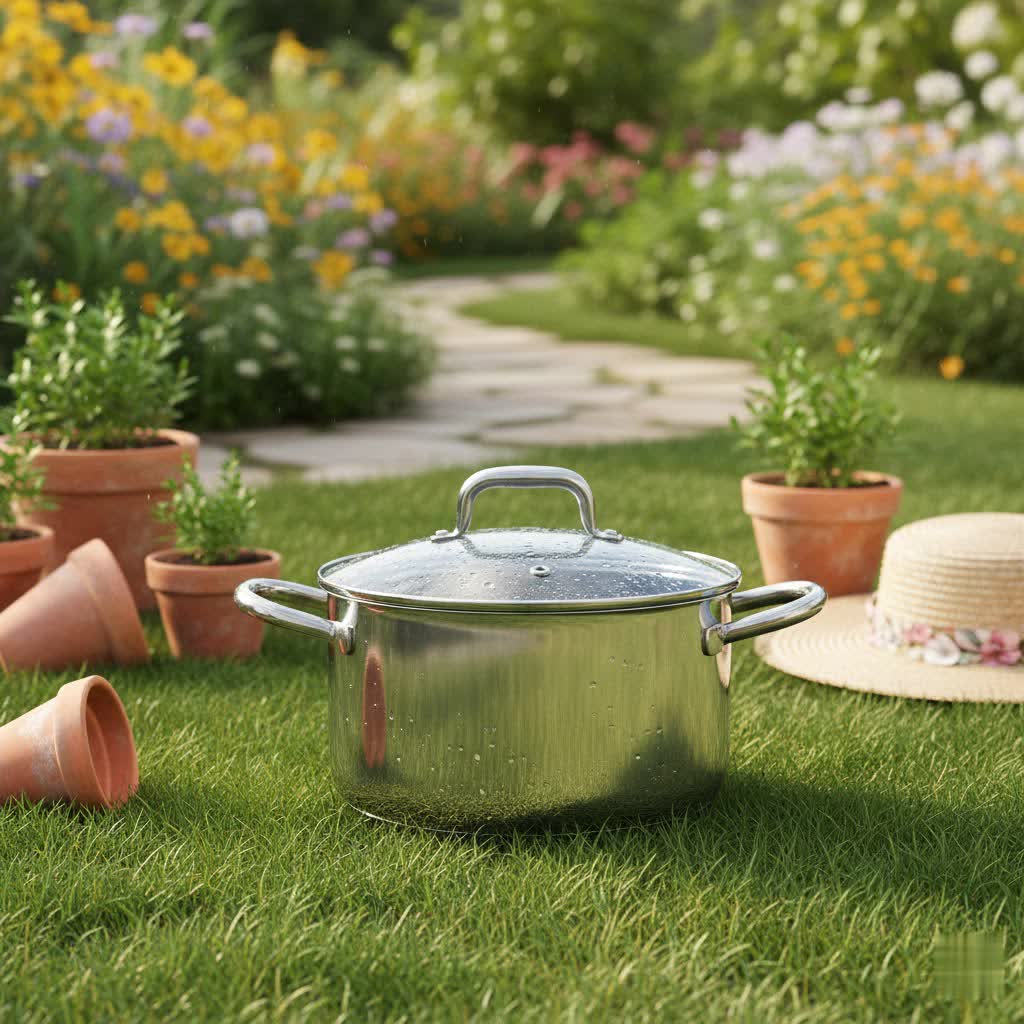
Exploring Different Cooking Pot Lid Types and Their Functions
The lid is far more than just a cover; it’s a crucial part of the cooking process, trapping heat and moisture to create tender, flavorful meals. For slow cookers, the lid’s design directly impacts how effectively your food cooks. While many cooking pots, from stockpots to Dutch ovens, rely on a lid, slow cookers have unique requirements that highlight specific lid features.
Glass Lids
Glass lids are arguably the most popular choice for crock pots and many other cooking vessels due to their inherent transparency.
- Advantages: The primary benefit is visibility, allowing you to monitor your meal’s progress without lifting the lid and releasing precious heat and steam. This helps maintain consistent temperatures and moisture levels. Tempered glass lids are designed to withstand high temperatures.
- Disadvantages: Glass can be fragile and prone to chipping or shattering if dropped or subjected to sudden temperature changes. They can also be heavier than metal alternatives. If unvented and sealed tightly, pressure can build, leading to more forceful “burps” of steam.
- Applications: Ideal for most slow cooking recipes where visual monitoring is desired, from stews and chilis to pot roasts.
|
Our Picks for the Best Cooking Pot in 2026
As an Amazon Associate I earn from qualifying purchases.
|
||
| Num | Product | Action |
|---|---|---|
| 1 | Amazon Basics Ceramic Nonstick Pots and Pans Cookware Set, Dishwasher & Oven Safe, Even Heating, 10-Piece Set, Copper Color |

|
| 2 | SENSARTE Nonstick Saucepan with Lid, 1.5 Quarts Small Pot with Swiss Granite Coating, Stay-cool Handle, Multipurpose Handy Sauce Pot Small Kitchen Cooking Pot, Induction Comptable, PFOA Free |
|
| 3 | P&P CHEF Pasta Pot with Strainer Lid, 6 Quart Stainless Steel Stockpot for Home Kitchen Restaurant Cooking, Visible Glass lid Heat-Proof Handles, Dishwasher Safe |
|
| 4 | Kirecoo Stainless Steel Stock Pot - 8 Quart Heavy Duty Induction Cooking Pot with Visible Lid for Pasta, Soup, Spaghetti, Nonstick Thick Bottom Big Stockpot, Deep Cookware for Canning, Boiling, Simmer |
|
| 5 | Amazon Basics Non Stick Kitchen Cookware 8-Piece Set, Non-Induction, Includes Pots and Pans, Black |
|
| 6 | Gotham Steel 5 Quart Stock Pot Multipurpose Pasta Pot with Strainer Lid & Twist and Lock Handles, Nonstick Ceramic Surface Makes for Effortless Cleanup with Tempered Glass Lid, Dishwasher Safe |
|
| 7 | 1-Quart Gray Nonstick Saucepan with Lid |
|
| 8 | Amazon Basics Non Stick Kitchen Cookware 15-Piece Set, Non-Induction, Includes Pots, Pans, and Utensils, Black |
|
| 9 | MICHELANGELO Nonstick Saucepan with Lid, Ceramic Sauce Pan Sets, Easy to Clean Sauce Pans, Multi-Purpose Cooking Pots, 1QT & 2QT & 3QT, Black |
|
| 10 | Cook N Home Nonstick Stockpot with Lid 10.5-Qt, Deep Cooking Pot Cookware Canning Stock Pot with Glass Lid, Black |
|
Metal Lids (Stainless Steel)
While less common for standard crock pots, some specialty slow cookers or universal lids feature metal construction.
- Advantages: Known for their exceptional durability, metal lids are virtually shatterproof. They can often withstand higher oven temperatures than glass lids, making them versatile if your slow cooker insert is oven-safe. They typically offer excellent heat retention.
- Disadvantages: The opaque nature of metal means you cannot see your food without lifting the lid, which allows heat and moisture to escape, potentially extending cooking times. Thinner metal lids (e.g., aluminum) might be prone to warping.
- Applications: Best for situations where durability is paramount or when using a slow cooker insert that requires higher oven temperatures.
Ceramic Lids
Less common as standalone lid materials, ceramic is often integrated into the crock pot’s design or found on specialized slow cookers.
- Advantages: Ceramic lids match the aesthetic of many slow cooker stoneware inserts, contributing to even heat distribution and retention.
- Disadvantages: Like glass, ceramic can be brittle and prone to breaking if dropped. They also lack transparency.
- Applications: Typically found as an integral part of certain slow cooker models, maintaining a traditional look and feel.
Comparative Overview of Crock Pot Lid Types
Choosing the right lid material involves balancing convenience, durability, and specific cooking needs. Here’s a quick comparison to help you decide:
| Lid Type | Key Advantages | Key Disadvantages | Best Applications |
|---|---|---|---|
| Glass | Visibility, moisture retention, affordable | Fragile, heavy, can shatter | Everyday slow cooking, visual monitoring |
| Metal | Durable, shatterproof, high heat tolerance | Opaque, no visibility, potentially heavier | Heavy-duty use, oven-safe inserts |
| Silicone/Universal | Versatile, flexible, tight seal, often vented | May not fit perfectly, potential for lower heat tolerance | Replacement lids, multi-pot use, transport |
> “The lid is the unsung hero of slow cooking, meticulously sealing in flavors and aromas that define the dish.” – Chef Elena Rodriguez, Culinary Arts Instructor
How to Select the Perfect Crock Pot Lid
Finding the ideal crock pot lid, whether as a replacement or for an entirely new setup, requires careful consideration. It’s not just about aesthetics; it’s about functionality and safety.
Determine Your Usage Needs
Start by assessing your slow cooking habits. Do you frequently make dishes that require constant monitoring, making a transparent lid a priority? Is durability a major concern due to potential drops or frequent transport? Consider the size of your family and the types of meals you typically prepare, as this will influence the ideal pot size and, consequently, the lid dimensions.
Consider Lid Material
The material of your lid directly impacts your cooking experience. Tempered glass offers the benefit of visibility and is generally safe, while stainless steel provides superior durability and can often withstand higher oven temperatures. Some universal lids may incorporate silicone for a better seal or handle. Avoid aluminum lids, which can warp easily and may react with acidic foods, though this is less of an issue for lids that don’t directly touch food.
Ensure Proper Size and Fit
A snug fit is crucial for a slow cooker lid. A poorly fitting lid allows steam and heat to escape, increasing cooking times and drying out food. If you’re replacing a lid, measuring is key.
- For oval lids: Measure the length of the longer side (diameter) and the shorter side (width) from the outer rim to outer rim.
- For round lids: Measure the diameter straight across.
- Inner Lip Diameter: Crucially, measure the interior dimension or the inner lip diameter where the lid sits on the crock. This ensures a proper seal.
Always check your crock pot’s model number for OEM (Original Equipment Manufacturer) replacements first. If unavailable, generic lids often come in standardized sizes.
Evaluate Brand Compatibility and Replacement Options
Many manufacturers, including Crock-Pot itself, offer replacement lids. Check their official websites or authorized retailers. If your model is older or discontinued, third-party suppliers or online marketplaces like Amazon, eBay, or appliance parts stores (eReplacementParts, Marbeck) often carry compatible options. Sometimes, a generic lid that matches the measurements will work perfectly.
Look for Additional Lid Features
Modern lids come with features that enhance convenience and performance:
- Steam Vents: A small hole in the lid helps release excess steam, preventing pressure buildup and potential “burps.” This is especially useful for dishes prone to frothing.
- Cool-Touch Handles: Essential for safe handling, cool-touch handles prevent burns when lifting the hot lid.
- Silicone Seals/Gaskets: These provide an extra-tight seal, further minimizing heat and moisture loss, and are particularly useful for slow cookers designed for transport.
- Lid Latches: For “Cook & Carry” models, integrated latches secure the lid during transit, preventing spills.
Essential Tips for Using and Caring for Your Cooking Pot Lid
Proper use and meticulous care of your crock pot lid will extend its lifespan, maintain cooking efficiency, and ensure food safety.
Smart Usage Practices
- Read the Manual: Always consult your slow cooker’s instruction manual for specific guidelines regarding lid use and temperature limits, especially if your lid is oven-safe.
- Avoid Thermal Shock: For glass or ceramic lids, never place a hot lid directly into cold water or vice-versa, as this can cause it to crack or shatter. Allow it to cool gradually.
- Minimize Lifting: Resist the urge to frequently lift the lid during cooking. Each time the lid is removed, a significant amount of heat and moisture escapes, which can add 20-30 minutes to your cooking time. If you have a clear glass lid, take advantage of the visibility.
- Use Appropriate Utensils: To prevent scratches or damage, use wooden or silicone utensils when stirring or serving from your slow cooker.
Effective Cleaning and Odor Removal
A clean lid is vital for hygiene and preventing lingering food odors.
- Immediate Cleaning: Wash your lid promptly after each use. Most glass lids and removable stoneware can be cleaned in the dishwasher or by hand with hot, soapy water.
- Avoid Abrasives: Never use abrasive cleaning compounds, scouring pads, or harsh chemicals, especially on glass or ceramic surfaces, as these can scratch or damage the finish. A soft cloth, sponge, or rubber spatula is usually sufficient.
- Tackling Stubborn Stains and Odors:
- Vinegar and Baking Soda Soak: For persistent stains or odors, especially common with plastic lids or silicone seals, fill your crock pot with water, add ½ cup white vinegar, and a few tablespoons of baking soda. Place the lid on top and set the slow cooker to LOW for 1-2 hours. The steam will help loosen residue and neutralize odors.
- Detail Cleaning: Periodically, remove the handle from your lid (if possible with a screwdriver) to clean thoroughly underneath and around the screw. Food particles and grime can accumulate here, causing unpleasant smells.
- Silicone Ring Care: If your lid has a removable silicone sealing ring, take it off and soak it in a vinegar and water solution. Scrub gently with a soft brush to remove trapped grease and food. Replace the ring if it shows cracks or permanent discoloration.
- Thorough Drying: Always air-dry all lid components upside down completely before storing to prevent moisture buildup, mildew, and odors.
Proper Storage
- Dry, Cool Place: Store your lid in a dry, cool area away from direct heat or sunlight.
- Prevent Damage: Avoid stacking heavy items on top of glass lids. If possible, use lid organizers or hooks to store lids vertically, preventing scratches or chips from contact with other cookware.
- Check for Wear: Regularly inspect your lid for any chips, cracks, or damage, particularly for glass lids, as these can pose a safety hazard during use. Replace damaged lids immediately.
Conclusion
The humble crock pot lid is a cornerstone of slow cooking, greatly influencing the outcome of your meals. From selecting the right material—be it clear glass for monitoring or sturdy metal for durability—to understanding the importance of a perfect fit, every detail matters. By mastering these selection, usage, and maintenance tips, you ensure your lid performs optimally, locking in flavors and extending the life of your cherished cooking pot. So, which lid features will you prioritize for your next culinary adventure?
Frequently Asked Questions
Can I use a metal lid on my Crock-Pot?
Yes, generally you can use a metal lid on a crock pot, especially if it’s made of heat-resistant stainless steel. However, always consult your specific slow cooker’s manufacturer instructions to ensure compatibility and safety, as some models may be designed for specific lid types like glass or ceramic.
How do I find a replacement lid for my slow cooker?
To find a replacement lid, first locate your slow cooker’s model number, usually on the back or bottom. Then, measure your existing lid’s dimensions (outer rim to outer rim, and inner lip diameter). Check the manufacturer’s website for OEM parts or search online retailers for generic lids that match your exact measurements.
How can I remove odors from my crock pot lid?
To remove odors, wash the lid with hot, soapy water. For stubborn smells, soak the lid (especially plastic or silicone parts) in a solution of equal parts white vinegar and water, or run a “steam clean” cycle by heating water with vinegar and baking soda in the crock pot. Ensure the lid is thoroughly dried afterward.
Are universal lids a good option for crock pots?
Universal lids can be a convenient option, especially if you have multiple pots. They are designed to fit various sizes, often using stepped edges or silicone rims. However, ensure they provide a sufficiently tight seal for your specific crock pot to prevent excessive heat and moisture loss, which is crucial for slow cooking.
What’s the difference between vented and unvented crock pot lids?
A vented crock pot lid has a small hole that allows excess steam to escape, preventing pressure buildup and potential boil-overs. Unvented lids create a tighter seal, which can be beneficial for retaining maximum moisture, but may require more careful monitoring to avoid excessive pressure.
