Are you overwhelmed by kitchen gadgets, yet dream of effortlessly preparing delicious, healthy meals in a fraction of the time? The Instant Pot pressure cooker might be the culinary revolution you’ve been waiting for. This innovative appliance has transformed cooking for millions, offering a powerful combination of speed, versatility, and safety. This comprehensive guide will delve into what makes the Instant Pot a game-changer, exploring its features, benefits, and how it stands among other kitchen essentials, ensuring you choose, use, and maintain it with confidence to unlock a world of culinary possibilities.
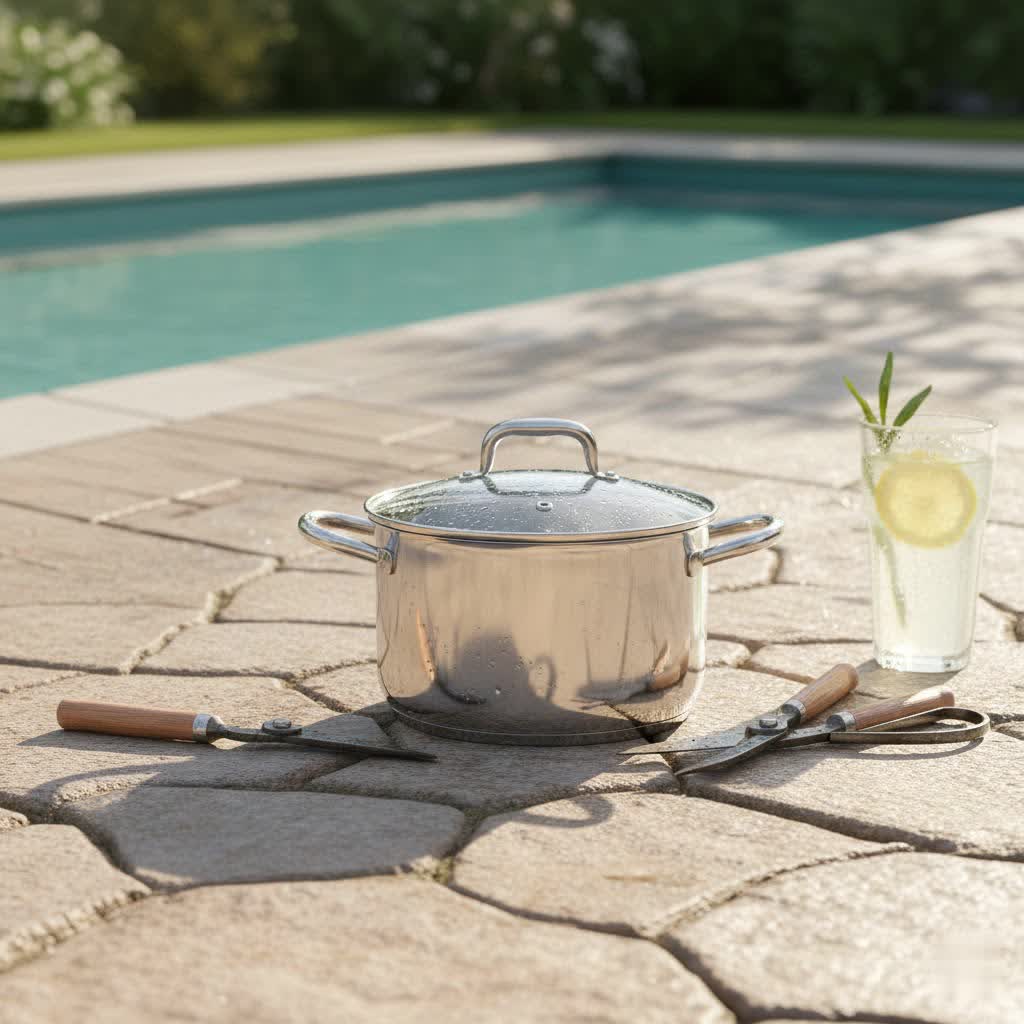
Common Cooking Pot Types and Their Applications
Understanding the various types of cooking pots available can help you appreciate the unique advantages of a multifaceted appliance like the Instant Pot. Each pot type serves distinct purposes based on its material and design.
Stainless Steel Pots
|
Our Picks for the Best Cooking Pot in 2026
As an Amazon Associate I earn from qualifying purchases.
|
||
| Num | Product | Action |
|---|---|---|
| 1 | SENSARTE Nonstick Saucepan with Lid, 1.5 Quarts Small Pot with Swiss Granite Coating, Stay-cool Handle, Multipurpose Handy Sauce Pot Small Kitchen Cooking Pot, Induction Comptable, PFOA Free |

|
| 2 | P&P CHEF Pasta Pot with Strainer Lid, 6 Quart Stainless Steel Stockpot for Home Kitchen Restaurant Cooking, Visible Glass lid Heat-Proof Handles, Dishwasher Safe |
|
| 3 | Cook N Home Nonstick Stockpot with Lid 10.5-Qt, Deep Cooking Pot Cookware Canning Stock Pot with Glass Lid, Black |
|
| 4 | Amazon Basics Ceramic Nonstick Pots and Pans Cookware Set, Dishwasher & Oven Safe, Even Heating, 10-Piece Set, Copper Color |
|
| 5 | 1-Quart Gray Nonstick Saucepan with Lid |
|
| 6 | MICHELANGELO Nonstick Saucepan with Lid, Ceramic Sauce Pan Sets, Easy to Clean Sauce Pans, Multi-Purpose Cooking Pots, 1QT & 2QT & 3QT, Black |
|
| 7 | Gotham Steel 5 Quart Stock Pot Multipurpose Pasta Pot with Strainer Lid & Twist and Lock Handles, Nonstick Ceramic Surface Makes for Effortless Cleanup with Tempered Glass Lid, Dishwasher Safe |
|
| 8 | Kirecoo Stainless Steel Stock Pot - 8 Quart Heavy Duty Induction Cooking Pot with Visible Lid for Pasta, Soup, Spaghetti, Nonstick Thick Bottom Big Stockpot, Deep Cookware for Canning, Boiling, Simmer |
|
| 9 | Amazon Basics Non Stick Kitchen Cookware 8-Piece Set, Non-Induction, Includes Pots and Pans, Black |
|
| 10 | Amazon Basics Non Stick Kitchen Cookware 15-Piece Set, Non-Induction, Includes Pots, Pans, and Utensils, Black |
|
Stainless steel pots are a kitchen staple, prized for their durability, non-reactive surface, and ease of cleaning. They are generally safe for health, as they don’t leach metals into food. However, their main drawback is slower heat conduction, which can lead to uneven cooking or scorching if not managed carefully. These pots are ideal for boiling water, simmering soups, making stocks, and cooking pasta, where consistent, gentle heat is often preferred.
Aluminum Pots
Aluminum pots are popular for their excellent heat conductivity, allowing them to heat up quickly and distribute warmth evenly. They are also lightweight and typically more affordable. Despite these benefits, aluminum can react with acidic foods, potentially altering flavor and leaching into meals over time. To mitigate this, many modern aluminum pots are anodized or coated. They are best suited for quick cooking tasks, such as boiling vegetables, making sauces, or preparing simple, non-acidic dishes.
Clay Pots
With a rich history, clay pots are celebrated for their ability to retain and distribute heat slowly and evenly, imparting a unique, earthy flavor to dishes. This gentle cooking method ensures food remains moist and tender. On the downside, clay pots are fragile and can break easily, and their porous nature means they can be challenging to clean and may absorb flavors if not properly seasoned and maintained. They are traditionally used for slow-cooked stews, braises, bean dishes, and rice cooked in an oven or over low heat.
Pressure Cookers
Pressure cookers significantly reduce cooking times by creating a high-pressure, high-temperature environment inside the pot. This method not only speeds up the cooking process but also helps tenderize tough cuts of meat and infuses deeper flavors. While traditional stovetop pressure cookers require careful monitoring, modern electric models, exemplified by the Instant Pot, incorporate numerous safety features, making them much easier and safer to operate. They excel at preparing dishes like hearty stews, fall-off-the-bone ribs, dried beans, and root vegetables in a fraction of the time.
Electric Multi-Cookers (e.g., Instant Pot Pressure Cooker)
Electric multi-cookers, with the Instant Pot pressure cooker leading the way, are the epitome of kitchen convenience and versatility. These appliances combine the functions of several traditional devices into one, typically offering pressure cooking, slow cooking, rice cooking, sautéing, steaming, and yogurt making. Their appeal lies in their automated, hands-off operation, advanced safety mechanisms, and ability to prepare complex meals quickly and efficiently. The Instant Pot pressure cooker is perfect for busy individuals or families seeking to streamline their cooking process without sacrificing flavor or nutrition.
Comparison Table of Cooking Pot Types
Choosing the right cooking pot depends on your specific culinary needs and priorities. Here’s a comparison to help you understand the strengths and weaknesses of different types, including the highly versatile Instant Pot pressure cooker.
| Pot Type | Advantages | Disadvantages | Primary Uses |
|---|---|---|---|
| Stainless Steel Pots | Durable, non-reactive, easy to clean, food-safe | Slower heat transfer, can lead to scorching if not watched | Boiling, simmering soups, making stocks, pasta |
| Aluminum Pots | Heats quickly and evenly, lightweight, affordable | Can react with acidic foods, potential health concerns with un-anodized | Quick boiling, simple sauces, high-heat searing |
| Clay Pots | Excellent heat retention, imparts unique flavor, gentle cooking | Fragile, difficult to clean, susceptible to thermal shock | Slow-cooked stews, braises, rice dishes, traditional recipes |
| Pressure Cookers (Traditional) | Significantly faster cooking, tenderizes tough ingredients, energy efficient | Requires careful manual monitoring, safety concerns if misused | Stews, stocks, dried beans, tough cuts of meat |
| Electric Multi-Cooker (Instant Pot Pressure Cooker) | Multi-functional (7-in-1+), extremely fast, safe, hands-off, energy-efficient, automated | Higher initial cost, takes up counter space | Pressure cooking, slow cooking, sauté, steaming, rice, yogurt, baking, warming |
Guide to Choosing the Right Instant Pot Pressure Cooker
Selecting the perfect Instant Pot pressure cooker can feel daunting with so many models and features available. By considering your specific cooking needs and lifestyle, you can find the ideal appliance to enhance your kitchen experience.
Determine Your Needs
Before diving into models, think about how you typically cook. Do you prepare meals for a single person, a couple, or a large family? What types of dishes do you enjoy making most often – quick weeknight dinners, elaborate weekend feasts, or perhaps homemade yogurt? Your cooking frequency, preferred cuisine, and the number of people you cook for will directly influence the size and features you should prioritize. Also, consider your budget, as Instant Pot models range in price based on their capabilities.
Pot Material
The inner pot of an Instant Pot pressure cooker is typically made from food-grade stainless steel (often 304 grade), which is durable, non-reactive, and easy to clean. This material is chosen for its safety and longevity. Unlike stovetop pots, the Instant Pot is an electric appliance, so compatibility with different stove types (gas, induction, electric) is not a concern for the unit itself. However, ensuring the inner pot material is high-quality stainless steel guarantees consistent cooking and healthier meals.
Pot Size
Instant Pot pressure cookers come in various sizes, commonly 3-quart, 6-quart, and 8-quart, with some models even larger. The 6-quart size is the most popular, offering a versatile capacity suitable for singles, couples, and families of up to four. A 3-quart is excellent for small households, side dishes, or dorm rooms, while an 8-quart is ideal for larger families, meal prepping, or entertaining guests. Choosing the right size ensures you can prepare sufficient quantities without wasting energy on an overly large pot or struggling with limited capacity.
Brand and Price
Instant Pot is the leading brand in electric multi-cookers, renowned for its reliability, extensive features, and robust safety mechanisms. While there are other brands offering similar appliances, Instant Pot has built a strong reputation and community. It’s always wise to opt for reputable brands that provide good customer support and warranty coverage. Compare prices across different retailers, keeping an eye out for sales, but remember that investing in a quality Instant Pot pressure cooker can be a long-term saving due to its efficiency and versatility, replacing several other kitchen appliances.
Additional Features
Modern Instant Pot pressure cookers boast a myriad of features designed to enhance your cooking experience. Look for models with an intuitive control panel, pre-set programs for common dishes (like soup, meat/stew, beans, rice, poultry), and advanced functions such as specific yogurt settings, cake baking, or even air frying capabilities in hybrid models. Safety features are paramount; Instant Pots typically include more than 10 safety mechanisms, such as lid lock, anti-block shield, and overheat protection. Additional conveniences like a delayed start, automatic keep-warm function, and the ability to release pressure in different ways (quick or natural) further contribute to its user-friendliness.
Tips for Using and Maintaining Your Instant Pot Pressure Cooker
To fully enjoy the convenience and efficiency of your Instant Pot pressure cooker, understanding proper usage and maintenance is key. These practices ensure longevity, safety, and consistent culinary results.
Usage
Always begin by thoroughly reading the user manual specific to your Instant Pot model. This will familiarize you with its unique functions and safety guidelines. Never overfill the pot; adhere to the “PC MAX” line for pressure cooking and “1/3” mark for expandable foods like rice or beans. Ensure the silicone sealing ring is properly seated in the lid, as this is crucial for building and maintaining pressure. When cooking, always check that the steam release handle is in the “Sealing” position. For releasing pressure, understand the difference between natural release (NPR), which allows pressure to dissipate gradually, and quick release (QPR), where you manually open the vent. Use heat-resistant, non-abrasive utensils made of wood or silicone to avoid scratching the stainless steel inner pot.
Cleaning
Regular cleaning after each use is vital for hygiene and optimal performance. The stainless steel inner pot is typically dishwasher safe, making cleanup a breeze. The lid, however, requires careful hand washing, paying attention to the steam release valve, float valve, and anti-block shield. The silicone sealing ring should also be removed and washed periodically; soaking it in white vinegar or baking soda can help eliminate absorbed odors. The exterior base of the Instant Pot should only be wiped clean with a damp cloth; never immerse it in water.
Storage
Store your Instant Pot pressure cooker in a dry, cool place away from direct sunlight. To prevent the sealing ring from retaining odors or losing its shape, it’s often recommended to store the lid inverted on the base, allowing air to circulate around the sealing ring. This also helps prolong its lifespan. Avoid placing heavy objects on top of the Instant Pot, which could damage the display or control panel. Proper storage not only preserves the appliance but also keeps your kitchen organized.
“The Instant Pot truly democratizes complex cooking, enabling everyone to create gourmet-quality meals quickly and safely. It’s not just a time-saver; it’s a culinary enabler.” – Chef Elena Rodriguez, Culinary Innovator and Cookbook Author
Conclusion
The Instant Pot pressure cooker stands out as an indispensable tool in the modern kitchen, blending the traditional benefits of various cooking pots with cutting-edge technology. Its ability to pressure cook, slow cook, sauté, steam, make rice, and even yogurt, all in one compact appliance, makes it a powerhouse of efficiency and versatility. By significantly cutting down cooking times and energy consumption, while simultaneously preserving nutrients and enhancing flavors, the Instant Pot empowers home cooks to prepare wholesome and delicious meals with remarkable ease. Whether you are a seasoned chef or a beginner looking to simplify your cooking, the Instant Pot offers a world of culinary possibilities. Are you ready to transform your cooking experience and discover what your Instant Pot pressure cooker can do for you?
Frequently Asked Questions
Is an Instant Pot Pressure Cooker safe to use?
Yes, modern Instant Pot pressure cookers are designed with over 10 built-in safety mechanisms, including lid lock safety, anti-block shield, and overheat protection. These features prevent common user errors and mitigate risks associated with traditional pressure cookers, making them very safe for everyday home use.
What can I cook in an Instant Pot?
The Instant Pot is incredibly versatile. You can cook a vast array of dishes, including tender meats, hearty stews, soups, chili, rice, pasta, steamed vegetables, yogurt, and even desserts like cheesecake. Its multi-functional capabilities mean you can often prepare an entire meal in a single pot.
How is an Instant Pot different from a traditional pressure cooker?
An Instant Pot is an electric multi-cooker that incorporates pressure cooking along with several other functions (slow cooker, rice cooker, steamer, etc.). Traditional pressure cookers are stovetop appliances that solely focus on pressure cooking and require manual monitoring, whereas the Instant Pot offers automated, hands-off cooking with advanced electronic safety features.
How do I clean my Instant Pot?
Cleaning the Instant Pot is straightforward. The stainless steel inner pot is typically dishwasher safe. The lid components, such as the sealing ring, steam release valve, and float valve, should be removed and hand-washed regularly. The exterior base should only be wiped clean with a damp cloth, never immersed in water.
Does an Instant Pot save energy?
Yes, an Instant Pot pressure cooker is highly energy-efficient. By cooking food much faster and being well-insulated, it uses significantly less energy—up to 70% less compared to conventional cooking methods like ovens and stovetops. This efficiency not only saves time but also reduces your utility bills.
