Step into any serious cook’s kitchen, especially in certain culinary traditions, and you might spot a piece of cookware that stands out with its distinctive shine and robust feel: the Magnalite pot. Revered by generations, this iconic cookware is more than just a pot; it’s a testament to timeless design and exceptional performance. Crafted from a unique cast aluminum and magnesium alloy, Magnalite pots are celebrated for their ability to deliver superior heat distribution and maintain moisture, making them indispensable for everything from simmering delicate sauces to roasting hearty meats. This article delves into the world of Magnalite, exploring its unique features, how it compares to other cookware, and essential tips for choosing and caring for these culinary treasures.
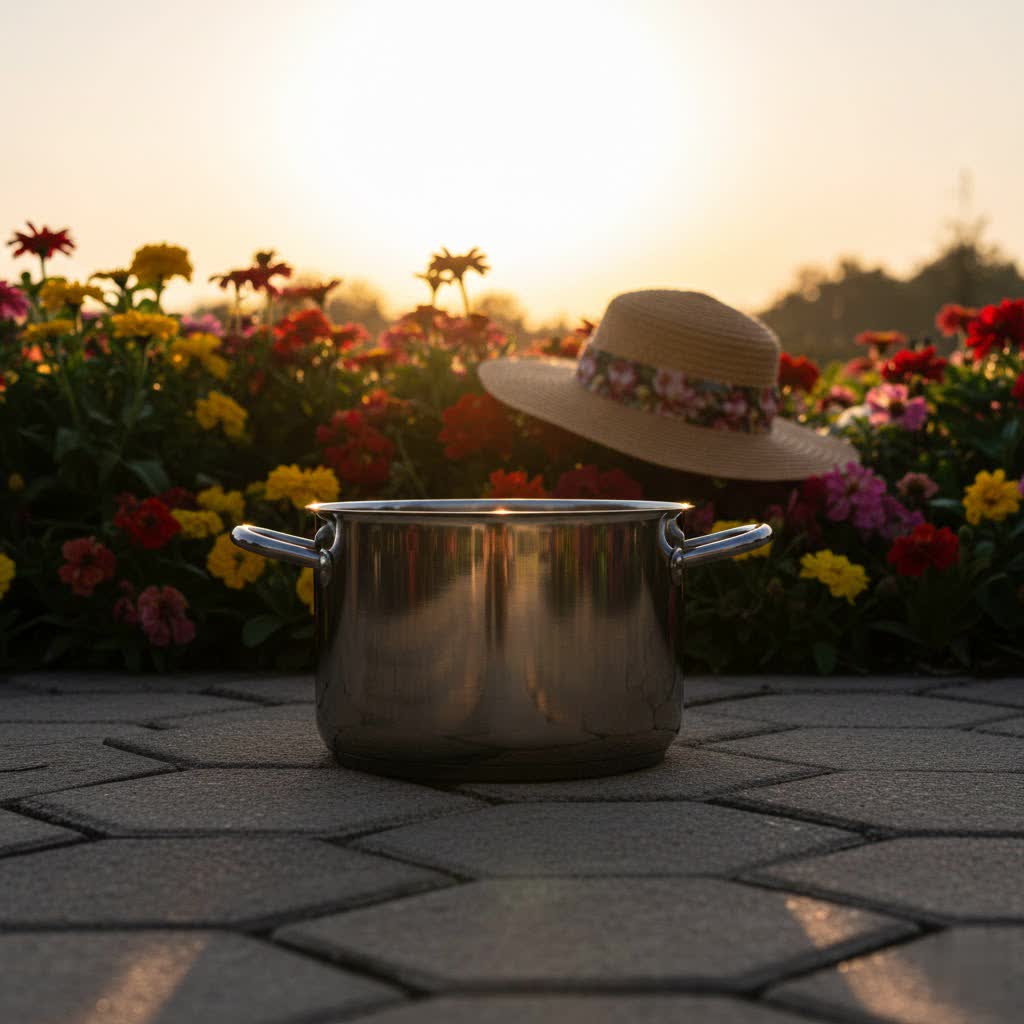
Popular Cooking Pot Types and Their Applications
Understanding the array of cooking pots available can help appreciate the distinct advantages a Magnalite pot offers. Each material brings its own set of characteristics to the kitchen, influencing cooking outcomes and user experience.
Stainless Steel Pots
|
Our Picks for the Best Cooking Pot in 2026
As an Amazon Associate I earn from qualifying purchases.
|
||
| Num | Product | Action |
|---|---|---|
| 1 | P&P CHEF Pasta Pot with Strainer Lid, 6 Quart Stainless Steel Stockpot for Home Kitchen Restaurant Cooking, Visible Glass lid Heat-Proof Handles, Dishwasher Safe |

|
| 2 | MICHELANGELO Nonstick Saucepan with Lid, Ceramic Sauce Pan Sets, Easy to Clean Sauce Pans, Multi-Purpose Cooking Pots, 1QT & 2QT & 3QT, Black |
|
| 3 | SENSARTE Nonstick Saucepan with Lid, 1.5 Quarts Small Pot with Swiss Granite Coating, Stay-cool Handle, Multipurpose Handy Sauce Pot Small Kitchen Cooking Pot, Induction Comptable, PFOA Free |
|
| 4 | 1-Quart Gray Nonstick Saucepan with Lid |
|
| 5 | Amazon Basics Non Stick Kitchen Cookware 8-Piece Set, Non-Induction, Includes Pots and Pans, Black |
|
| 6 | Kirecoo Stainless Steel Stock Pot - 8 Quart Heavy Duty Induction Cooking Pot with Visible Lid for Pasta, Soup, Spaghetti, Nonstick Thick Bottom Big Stockpot, Deep Cookware for Canning, Boiling, Simmer |
|
| 7 | Amazon Basics Non Stick Kitchen Cookware 15-Piece Set, Non-Induction, Includes Pots, Pans, and Utensils, Black |
|
| 8 | Cook N Home Nonstick Stockpot with Lid 10.5-Qt, Deep Cooking Pot Cookware Canning Stock Pot with Glass Lid, Black |
|
| 9 | Gotham Steel 5 Quart Stock Pot Multipurpose Pasta Pot with Strainer Lid & Twist and Lock Handles, Nonstick Ceramic Surface Makes for Effortless Cleanup with Tempered Glass Lid, Dishwasher Safe |
|
| 10 | Amazon Basics Ceramic Nonstick Pots and Pans Cookware Set, Dishwasher & Oven Safe, Even Heating, 10-Piece Set, Copper Color |
|
Stainless steel pots are a popular choice due to their durability and non-reactive surface. They are excellent for general cooking tasks and won’t leach metals into food. However, stainless steel alone is not a great heat conductor, often leading to hot spots unless it features an aluminum or copper core. These pots are ideal for boiling water, sautéing vegetables, and searing meats.
Aluminum Pots (General)
Lightweight and budget-friendly, general aluminum pots are known for their excellent heat conductivity, heating up quickly and evenly. Despite their advantages in heat transfer, bare aluminum can react with acidic foods, potentially altering the taste and appearance of your dish. They are best suited for quick cooking, boiling, and preparing dishes that aren’t highly acidic.
Cast Iron Pots
Cast iron pots are legendary for their exceptional heat retention and ability to create a naturally non-stick surface over time through seasoning. While they are incredibly durable and can withstand high temperatures, they are also very heavy and slow to heat up. Cast iron excels in searing, slow cooking, baking, and deep frying, imparting a unique depth of flavor to many dishes.
Enameled Cast Iron Pots
Combining the benefits of cast iron with a protective enamel coating, these pots offer even heat distribution and retention without the reactivity or seasoning requirements of bare cast iron. Their non-reactive surface makes them suitable for acidic ingredients, and they come in various attractive colors. Enameled cast iron is perfect for braising, stewing, baking, and any slow-cooked dish in a Dutch oven.
Magnalite Pots
Magnalite pots occupy a unique niche, primarily crafted from a proprietary cast aluminum and magnesium alloy. This specific construction grants them exceptional heat distribution and superior moisture retention, akin to cast iron but with a lighter feel. Known for being robust and resistant to warping, they are versatile for both stovetop and oven use. Magnalite pots truly shine in applications like roasting, stewing, preparing traditional gumbos, simmering, and even baking, contributing to beautifully cooked, flavorful meals.
Comparison Table of Cooking Pot Types
To further illustrate the unique position of Magnalite cookware, here’s a comparative overview of common pot types:
| Pot Type | Pros | Cons | Applications |
|---|---|---|---|
| Stainless Steel | Durable, non-reactive, easy to clean | Can have hot spots, slower heat transfer | Boiling, sautéing, searing, general cooking |
| Aluminum (General) | Excellent heat conductor, lightweight, affordable | Can react with acidic foods, prone to dents, may discolor | Fast cooking, boiling, non-acidic dishes |
| Cast Iron | Superior heat retention, durable, develops natural non-stick | Very heavy, slow to heat, requires careful seasoning and maintenance | Searing, slow cooking, baking, deep frying |
| Enameled Cast Iron | Even heat, non-reactive, versatile, attractive | Heavy, can chip, generally more expensive | Braising, stewing, baking, slow cooking |
| Magnalite | Exceptional even heat, superior moisture retention, durable alloy, lighter than cast iron, versatile | Not induction compatible, can react with strong acids (if unlined/vintage), requires specific care | Roasting, stewing, gumbo, simmering, baking, everyday meals |
Guide to Choosing the Right Magnalite Pot
Selecting a Magnalite pot, especially with vintage pieces circulating, requires a thoughtful approach to ensure it meets your culinary needs and lasts for years to come.
Assess Your Cooking Needs
Before diving into options, consider what you’ll primarily use the pot for. Do you need a large roaster for holiday turkeys, a Dutch oven for hearty stews, or a smaller saucepan for everyday tasks? The size and shape should align with the quantity and type of dishes you prepare most often, ensuring efficiency and optimal results.
Understanding Magnalite Material and Construction
Magnalite pots are known for their proprietary aluminum and magnesium alloy, which provides both strength and remarkable thermal conductivity. Look for pieces with thick, cast construction, as this is crucial for achieving the even heat distribution that Magnalite is famous for. Well-designed, secure, and stay-cool handles are also an important feature for safe and comfortable handling.
Size and Shape Considerations
Magnalite cookware comes in various forms, including oval roasters, round Dutch ovens, tall stockpots, and smaller saucepans. An oval roaster is excellent for poultry and larger cuts of meat, while a Dutch oven is versatile for stews and braises. Match the capacity to your typical cooking volume; a pot that’s too large wastes energy, while one too small can be impractical.
New vs. Vintage Magnalite
Vintage Magnalite pots are often highly prized by collectors and cooks alike, lauded for their original craftsmanship and potentially higher purity alloys. When considering a vintage piece, meticulously inspect for any signs of pitting, warping, or damage, as these can affect performance and safety. Newer reproductions aim to replicate the original quality but always verify the material and construction to ensure it meets your expectations.
Stove Type Compatibility
Magnalite pots are generally compatible with gas and electric stovetops, where their excellent heat conductivity can truly shine. However, it’s crucial to note that due to their aluminum-based construction, Magnalite cookware is typically not suitable for induction cooktops, as induction requires magnetic materials. Always confirm compatibility with your specific stovetop to avoid disappointment.
Tips for Using and Caring for Your Magnalite Pot
Proper use and meticulous care are key to preserving the performance and longevity of your Magnalite pot, ensuring it remains a cherished kitchen essential for generations.
Using Your Magnalite Pot
Always allow your Magnalite pot to heat gradually to achieve the best cooking results and prevent thermal shock. When stirring or serving, opt for wooden, silicone, or plastic utensils to avoid scratching the pot’s surface. Be mindful when cooking highly acidic ingredients, especially in older or unlined Magnalite pieces, as aluminum can react. Crucially, avoid drastic temperature changes, such as pouring cold water into a hot pot, which can cause warping or cracking.
Cleaning Your Magnalite Pot
Hand washing is strongly recommended for Magnalite pots to protect their finish and integrity. Use mild dish soap and warm water, cleaning with a soft sponge or cloth. Absolutely avoid abrasive cleaners, steel wool, or harsh metal brushes, as these can scratch the surface and damage its protective layer. For stubborn stains or discoloration, a paste made from baking soda and water or cream of tartar can be gently applied and scrubbed. Some users also find diluted bleach or white vinegar effective for deep cleaning, but always rinse thoroughly afterward. After washing, completely dry your pot with a soft towel to prevent water spots and further discoloration.
Storing Your Magnalite Pot
Store your Magnalite pots in a dry, cool place to prevent moisture buildup and potential tarnishing. If stacking multiple pieces, place a soft cloth or paper towel between them to prevent scratches and preserve their lustrous finish. Proper storage not only keeps your pots looking their best but also ensures their readiness for your next culinary adventure.
“A Magnalite pot isn’t just cookware; it’s a piece of family history, a guarantee of perfectly cooked meals, and a testament to enduring quality that few modern alternatives can match.” – Chef Antoine Dubois, Culinary Historian
Conclusion
The Magnalite pot stands as a venerable icon in the world of cookware, distinguished by its unique cast aluminum and magnesium alloy. Its legacy is built on exceptional heat distribution, superior moisture retention, and remarkable durability, making it a cornerstone for countless culinary traditions. From its historical roots with WagnerWare to its esteemed place in kitchens today, the Magnalite pot continues to prove its value as an indispensable tool for home cooks and professionals alike. By understanding its distinct characteristics, making informed choices, and applying diligent care, you can ensure your Magnalite pot remains a treasured workhorse in your kitchen for many years to come, enriching every meal it touches. What culinary masterpieces will you create with your Magnalite pot?
Frequently Asked Questions
Is Magnalite cookware safe to use?
Yes, modern Magnalite cookware generally adheres to current safety standards. While older, unlined aluminum can theoretically react with highly acidic foods, this is often a minor concern for typical cooking. Long-standing concerns linking aluminum to health issues like Alzheimer’s have been largely debunked by scientific research.
Can I use my Magnalite pot on an induction cooktop?
No, Magnalite pots are made primarily from an aluminum and magnesium alloy, which is a non-ferrous material. Induction cooktops require cookware with a magnetic base to generate heat, making Magnalite pots incompatible with induction technology. They are best suited for gas and electric stoves.
How do I remove burnt food from a Magnalite pot?
To remove burnt food, fill the Magnalite pot with warm water and add a few drops of mild dish soap. Place it on a burner over low to medium heat and bring it to a gentle simmer for 10-15 minutes. This will help loosen the stuck-on residue, allowing you to easily scrub it away with a soft sponge or cloth once the pot has cooled. For very stubborn spots, a baking soda paste can be effective.
Does Magnalite cookware need to be seasoned?
Unlike traditional cast iron, Magnalite cookware does not typically require seasoning for non-stick properties. However, some experienced users advocate for a light seasoning process—applying a thin coat of oil and gently heating—to enhance its natural low-stick surface and provide an additional layer of protection, particularly for older pieces.
What is the best way to clean vintage Magnalite pots?
Vintage Magnalite pots should always be hand-washed using mild dish soap and warm water. To tackle discoloration or tough stains, a gentle paste of cream of tartar and water or baking soda and water can be carefully applied and scrubbed with a soft cloth or sponge. Avoid harsh abrasives, steel wool, or dishwashers, as these can irreparably damage the pot’s cherished finish and integrity.
