Stepping into the world of culinary creation, the humble cooking pot often serves as the unsung hero. From simmering rich sauces to boiling pasta for a family feast, the right pot can transform your cooking experience, making tasks easier and results more delicious. With a myriad of options available, selecting the perfect cooking pot can feel overwhelming. This comprehensive guide will navigate you through the various types, materials, and essential considerations, empowering you to make informed choices that fit your kitchen and culinary ambitions. Discover how to choose the ideal cookware for your needs and maintain it to last for years to come.
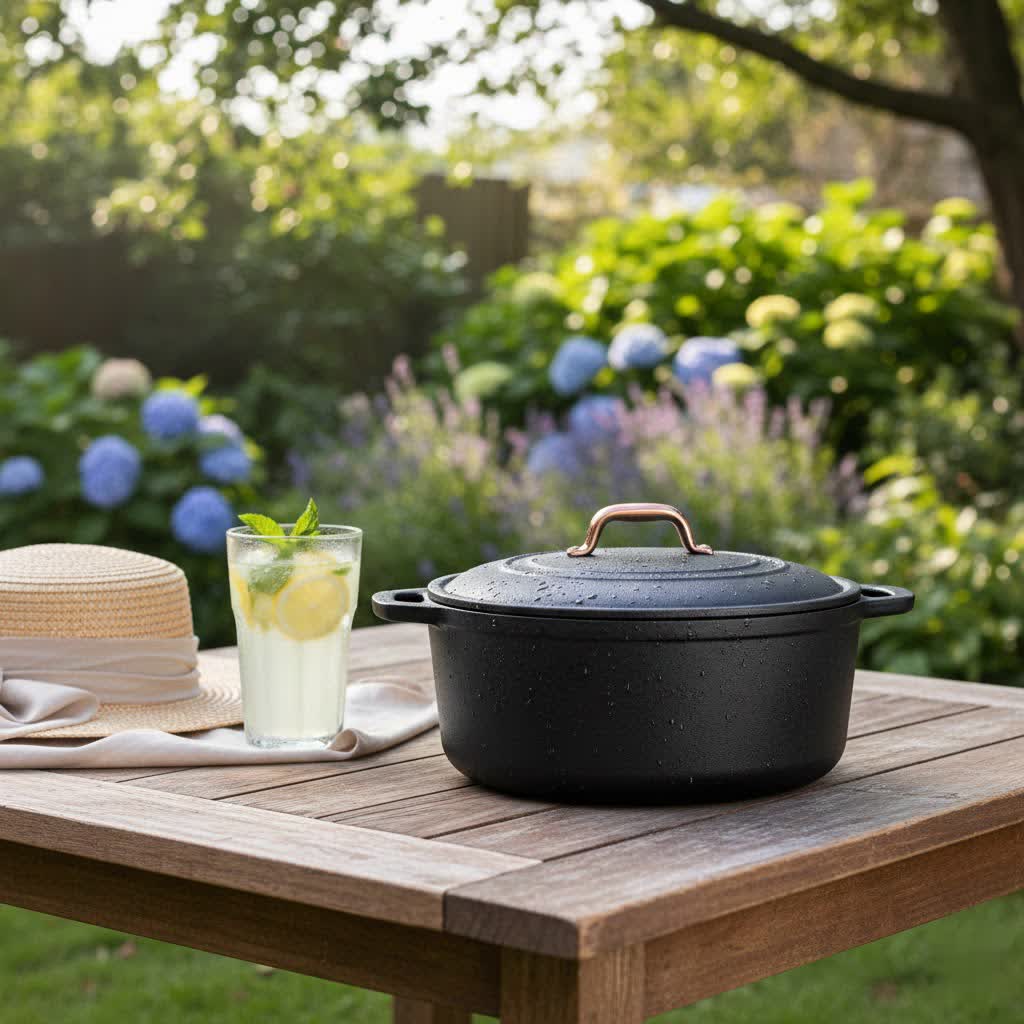
Popular Cooking Pot Types and Their Applications
Understanding the diverse array of cooking pots is the first step toward building a versatile kitchen arsenal. Each type is designed with specific cooking tasks in mind, optimizing heat distribution and functionality for particular dishes.
Stainless Steel Pots
These pots are a staple in both professional and home kitchens due prized for their durability, non-reactivity, and ease of cleaning. Often featuring an aluminum or copper core for improved heat conduction, stainless steel pots are safe for everyday use and won’t impart metallic flavors to food.
- Pros: Highly durable, resistant to rust and corrosion, non-reactive with acidic foods, generally dishwasher and oven safe, easy to clean.
- Cons: Poor heat conductor on its own (requires clad construction), can be slower to heat up compared to aluminum or copper.
- Applications: Ideal for boiling water, making soups, stews, sauces, and blanching vegetables.
|
Our Picks for the Best Cooking Pot in 2026
As an Amazon Associate I earn from qualifying purchases.
|
||
| Num | Product | Action |
|---|---|---|
| 1 | P&P CHEF Pasta Pot with Strainer Lid, 6 Quart Stainless Steel Stockpot for Home Kitchen Restaurant Cooking, Visible Glass lid Heat-Proof Handles, Dishwasher Safe |

|
| 2 | Amazon Basics Non Stick Kitchen Cookware 8-Piece Set, Non-Induction, Includes Pots and Pans, Black |
|
| 3 | Amazon Basics Non Stick Kitchen Cookware 15-Piece Set, Non-Induction, Includes Pots, Pans, and Utensils, Black |
|
| 4 | Cook N Home Nonstick Stockpot with Lid 10.5-Qt, Deep Cooking Pot Cookware Canning Stock Pot with Glass Lid, Black |
|
| 5 | SENSARTE Nonstick Saucepan with Lid, 1.5 Quarts Small Pot with Swiss Granite Coating, Stay-cool Handle, Multipurpose Handy Sauce Pot Small Kitchen Cooking Pot, Induction Comptable, PFOA Free |
|
| 6 | Amazon Basics Ceramic Nonstick Pots and Pans Cookware Set, Dishwasher & Oven Safe, Even Heating, 10-Piece Set, Copper Color |
|
| 7 | Gotham Steel 5 Quart Stock Pot Multipurpose Pasta Pot with Strainer Lid & Twist and Lock Handles, Nonstick Ceramic Surface Makes for Effortless Cleanup with Tempered Glass Lid, Dishwasher Safe |
|
| 8 | MICHELANGELO Nonstick Saucepan with Lid, Ceramic Sauce Pan Sets, Easy to Clean Sauce Pans, Multi-Purpose Cooking Pots, 1QT & 2QT & 3QT, Black |
|
| 9 | 1-Quart Gray Nonstick Saucepan with Lid |
|
| 10 | Kirecoo Stainless Steel Stock Pot - 8 Quart Heavy Duty Induction Cooking Pot with Visible Lid for Pasta, Soup, Spaghetti, Nonstick Thick Bottom Big Stockpot, Deep Cookware for Canning, Boiling, Simmer |
|
Aluminum Pots
Aluminum pots are recognized for their excellent heat conductivity and lightweight nature, making them quick to heat up and cool down. They are often more affordable than other materials.
- Pros: Excellent heat conductor, lightweight, heats up quickly, affordable.
- Cons: Can react with acidic or alkaline foods, potentially imparting a metallic taste or discoloring food; softer and prone to scratches. Anodized aluminum offers a more durable, non-reactive, and safer option.
- Applications: Great for general cooking, boiling, and dishes that require quick temperature changes.
Earthenware (Clay) Pots
Earthenware, or clay pots, are celebrated for their exceptional heat retention and ability to infuse dishes with unique, earthy flavors. They are perfect for slow-cooked meals.
- Pros: Superior heat retention, imparts distinctive flavors, suitable for slow cooking.
- Cons: Fragile and prone to breaking, can be difficult to clean, not suitable for high heat or rapid temperature changes.
- Applications: Perfect for braising, stews, casseroles, and baking dishes like “kho cá” or “kho thịt” (Vietnamese braised fish/meat).
Pressure Cookers
A modern marvel, pressure cookers significantly reduce cooking times by utilizing steam pressure. They are excellent for tough cuts of meat and dishes requiring long simmering.
- Pros: Drastically reduces cooking time, saves energy, preserves nutrients, tenderizes food efficiently.
- Cons: Requires careful handling and adherence to safety instructions, generally not suitable for browning or searing before pressure cooking.
- Applications: Best for stewing, braising, making stocks, cooking grains, and preparing legumes.
Multi-Functional Electric Pots
These versatile appliances combine multiple cooking functions into one unit, offering convenience and often precise temperature control.
- Pros: Highly convenient, multi-functional (can steam, sauté, slow cook, deep fry, rice cook), user-friendly.
- Cons: Can be more expensive than conventional pots, might take up more counter space.
- Applications: Preparing rice, making hot pot, steaming, slow cooking, and sautéing.
Comparing Popular Cooking Pot Materials
Choosing the right material is crucial as it dictates a pot’s heat performance, durability, and maintenance requirements. Here’s a comparative overview of common materials:
| Material | Pros | Cons | Best For |
|---|---|---|---|
| Stainless Steel | Durable, non-reactive, easy to clean, versatile, attractive | Poor heat conductor (unless clad with aluminum/copper) | Everyday cooking, boiling, soups, sauces, acidic foods |
| Aluminum | Excellent heat conductor, lightweight, affordable | Reactive with acidic/alkaline foods, prone to scratches, can warp | Quick heating, general cooking, budget-friendly |
| Cast Iron | Superior heat retention, even heat distribution, very durable | Heavy, requires seasoning (unless enameled), reactive (bare cast iron) | Searing, slow cooking, braising, baking |
| Enameled Cast Iron | Heat retention of cast iron, non-reactive, aesthetic, easy care | Heavy, susceptible to chipping, higher cost | Braising, stews, oven-to-table dishes |
| Ceramic | Non-toxic, non-stick (ceramic coated), even heat | Less durable than metal, prone to chipping/cracking, not for high heat | Healthy cooking, gentle frying, oven baking |
| Copper | Superior heat conductivity, precise temperature control | Reactive, requires lining (tin/stainless steel), expensive, high maintenance | Delicate sauces, precise cooking (professional use) |
| Non-stick (PTFE/PFOA-free) | Easy food release, requires less oil, simple cleanup | Less durable coating, not for high heat, requires gentle utensils | Eggs, pancakes, delicate foods, low-fat cooking |
Essential Tips for Choosing the Perfect Cooking Pot
Selecting the right cooking pot involves more than just aesthetics; it’s about matching your cookware to your cooking style, needs, and kitchen setup.
Define Your Cooking Needs
Before purchasing, consider what you frequently cook and for how many people. Are you a solo chef who whips up quick meals, or do you regularly prepare elaborate dinners for a large family? A single large stockpot might be essential for big batches of soup, while a small saucepan is perfect for individual servings.
- Common dishes: Determine if you need specialized pots (e.g., pressure cooker for tough meats, Dutch oven for braising).
- Household size: Match pot capacity to the typical amount of food you cook to avoid waste or insufficient portions.
- Budget: Set a realistic budget, understanding that quality materials often come with a higher price tag but offer greater longevity.
Consider the Material
The pot’s material directly impacts its performance and longevity. Opt for materials known for safety and durability, such as high-quality stainless steel (e.g., 18/10 grade) or tempered glass. Ensure the material is compatible with your stovetop. For induction cooktops, pots must have a magnetic base, typically stainless steel or cast iron. Gas and electric coil stoves are generally more forgiving with material choices.
Prioritize Pot Size
Choosing the correct size prevents energy waste and ensures even cooking. An overly large pot for a small amount of food uses more energy and takes longer to heat, while a pot that’s too small can lead to overcrowding and uneven cooking.
- Versatility: A set with varying sizes (e.g., 1-quart, 2-quart, 3-quart saucepans; 6-quart stockpot) can cover most needs.
- Storage: Consider your kitchen storage space before investing in very large or numerous pots.
Brand Reputation and Price
Invest in reputable brands that offer good warranties and customer support. While a higher price can indicate better quality, compare features and read reviews to ensure you’re getting value. Sometimes, lesser-known brands offer excellent quality at a more accessible price point.
Look for Added Features
Certain features can significantly enhance usability and safety.
- Lids: Tempered glass lids allow you to monitor food without lifting, preserving heat and moisture. Tight-fitting lids are crucial for simmering and slow cooking.
- Handles: Heat-resistant, ergonomic handles provide a comfortable and secure grip. Stainless steel handles can get hot, so insulated or riveted handles are a plus.
- Multi-ply bases: For stainless steel, a multi-layered (clad) base with an aluminum or copper core ensures superior heat distribution and prevents hot spots.
- Smart functions: Electric pots often come with timers, temperature controls, and pre-set cooking programs, adding convenience.
Essential Tips for Using and Maintaining Your Cooking Pots
Proper usage and consistent maintenance are key to prolonging the life of your cooking pots and ensuring they perform optimally for years.
Usage Best Practices
Always read the manufacturer’s instructions before first use. Avoid heating an empty pot on high heat, especially non-stick ones, as this can damage the coating or material. Use appropriate utensils—silicone, wood, or nylon are recommended for non-stick and ceramic surfaces to prevent scratching. Metal utensils are generally safe for stainless steel and cast iron, but caution is still advised to prevent unnecessary wear.
Cleaning Techniques
Clean your pots immediately after they cool down to prevent food from sticking and hardening. For most pots, warm soapy water and a soft sponge are sufficient.
- Stubborn food: Soak pots with burnt-on food in warm water with a little dish soap or baking soda for 10-20 minutes before gently scrubbing.
- Avoid harsh cleaners: Abrasive scrubbers or strong chemical detergents can damage surfaces, especially non-stick coatings and enameled cast iron.
- Discoloration: For stainless steel, rainbow stains can often be removed with a vinegar and water solution or a baking soda paste.
Proper Storage and Care
Store your pots in a dry, cool place. To prevent scratches and dings, especially for non-stick or ceramic-coated items, consider stacking them with cloth or felt protectors in between.
- Cast iron seasoning: Traditional cast iron requires regular seasoning with oil to maintain its non-stick properties and prevent rust.
- Temperature shock: Avoid plunging hot pots, especially ceramic or glass ones, into cold water, as this can cause thermal shock and lead to cracking or warping.
- Drying: Ensure all pots are completely dry before storing to prevent rust or mildew.
“A well-maintained cooking pot is not just a tool; it’s an investment that pays dividends in every delicious meal you create.” – Admin, reviewquyvn.com
Conclusion
The journey through the world of cooking pots reveals that these essential kitchen tools are far more than simple vessels. From the robust durability of stainless steel to the slow-cooking magic of a Dutch oven, each type and material offers unique advantages for various culinary tasks. By carefully considering your specific cooking needs, understanding the characteristics of different materials, and diligently following care instructions, you can assemble a collection of cooking pots that will serve you faithfully for years to come. With the right cooking pot, every meal becomes an opportunity for culinary excellence.
What type of cooking pot will you add to your kitchen next to elevate your cooking experience?
Frequently Asked Questions
What is the safest cooking pot material for everyday use?
For everyday cooking, stainless steel (especially 18/10 grade), enameled cast iron, and pure ceramic (not ceramic-coated metal) are generally considered the safest options. They are non-reactive and do not leach harmful chemicals into food, maintaining the integrity and flavor of your ingredients.
How do I prevent food from sticking to my stainless steel pots?
To prevent food from sticking to stainless steel, preheat the pot properly. Add a little oil, wait for it to shimmer, and then add your food. Ensure the food is at room temperature and don’t overcrowd the pot, allowing it to sear and release naturally.
Can I put my cooking pots in the dishwasher?
Many stainless steel and some non-stick pots are dishwasher safe, but hand washing is generally recommended to preserve their finish and extend their lifespan. Harsh dishwasher detergents and high heat can degrade coatings and cause discoloration over time. Always check the manufacturer’s guidelines.
How do I choose the right size pot for my family?
A good rule of thumb is to consider the number of servings you typically prepare. For 1-2 people, smaller 1-2 quart saucepans and a 4-quart stockpot might suffice. For families of 3-4, a 2-3 quart saucepan and a 6-8 quart stockpot are more suitable. Larger families may need 10-12 quart stockpots and larger sauté pans.
What is the difference between a saucepan and a stockpot?
A saucepan typically has tall, straight sides, a long handle, and sometimes a helper handle, ideal for heating liquids, simmering sauces, or cooking grains in smaller quantities. A stockpot is generally larger and deeper with two loop handles, designed for making large batches of stocks, soups, pasta, or boiling substantial amounts of liquid.
