Stepping into the kitchen, whether you’re a seasoned chef or a budding home cook, the right tools can transform your cooking experience. Among them, a high-quality cooking pot set stands as the cornerstone, offering the versatility and performance needed to tackle any recipe. But with a dazzling array of materials, sizes, and configurations available, how do you navigate the choices to find the set that truly fits your lifestyle and culinary ambitions? This guide will demystify the world of cooking pot sets, helping you select, use, and maintain your collection for years of delicious meals.
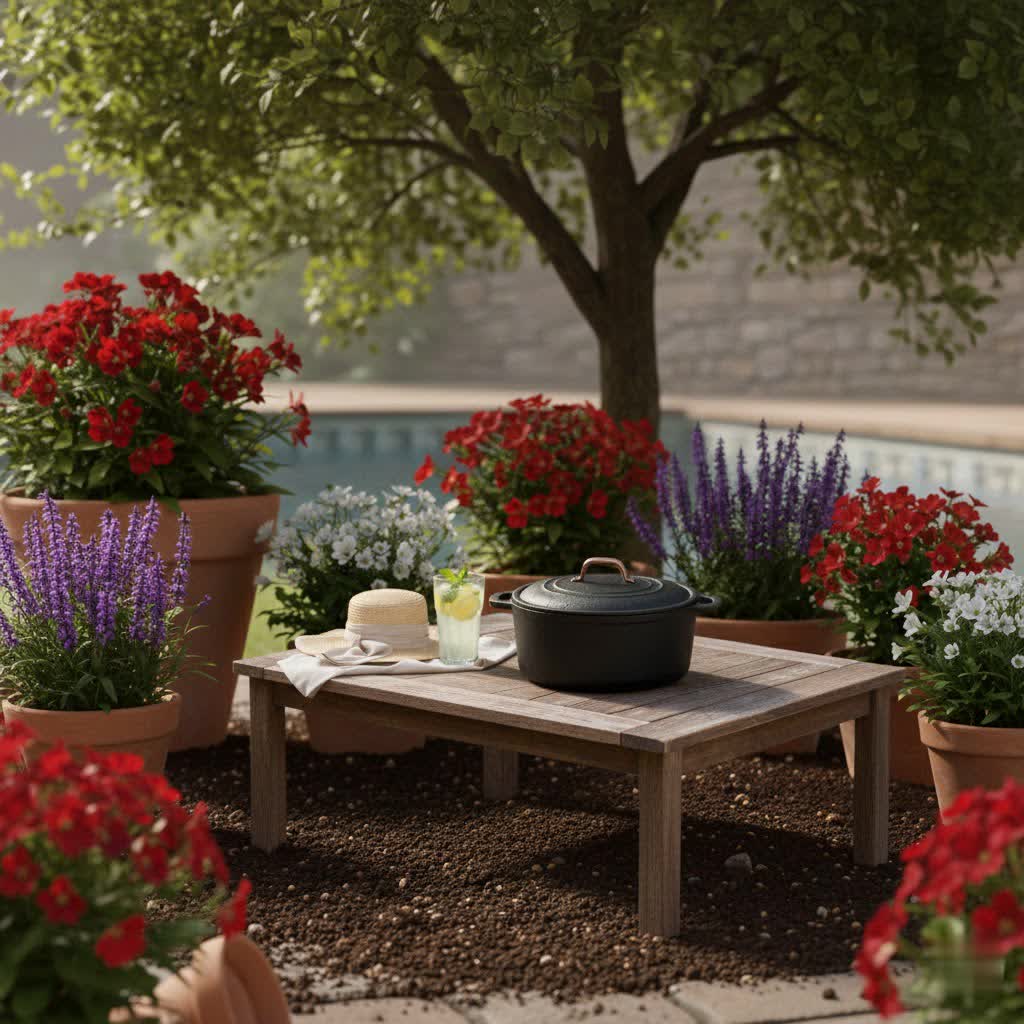
Discovering the Diverse World of Cooking Pot Sets and Their Ideal Uses
A comprehensive cooking pot set is more than just a collection of vessels; it’s an investment in your kitchen’s capability. Each material and pot type brings unique properties to the table, influencing everything from heat distribution to ease of cleaning. Understanding these distinctions is crucial for building a functional and efficient kitchen arsenal.
Stainless Steel Cooking Pot Sets
Often considered the workhorse of the modern kitchen, stainless steel pot sets are celebrated for their durability and non-reactive surface. This material is made by alloying steel with chromium and nickel, making it highly resistant to corrosion and pitting.
- Pros: Exceptionally durable, non-reactive with acidic or alkaline foods, easy to clean, often dishwasher-safe, and aesthetically pleasing. Many feature clad construction (layers of stainless steel and more conductive metals like aluminum or copper) for superior heat distribution.
- Cons: Pure stainless steel is a poor heat conductor, necessitating clad designs which can increase cost. Can sometimes lead to food sticking if not properly heated and oiled.
- Applications: Ideal for boiling, simmering sauces, creating stocks, browning meats, and high-heat searing. Versatile for nearly all cooking tasks.
|
Our Picks for the Best Cooking Pot in 2026
As an Amazon Associate I earn from qualifying purchases.
|
||
| Num | Product | Action |
|---|---|---|
| 1 | Amazon Basics Non Stick Kitchen Cookware 8-Piece Set, Non-Induction, Includes Pots and Pans, Black |

|
| 2 | 1-Quart Gray Nonstick Saucepan with Lid |
|
| 3 | Amazon Basics Non Stick Kitchen Cookware 15-Piece Set, Non-Induction, Includes Pots, Pans, and Utensils, Black |
|
| 4 | Kirecoo Stainless Steel Stock Pot - 8 Quart Heavy Duty Induction Cooking Pot with Visible Lid for Pasta, Soup, Spaghetti, Nonstick Thick Bottom Big Stockpot, Deep Cookware for Canning, Boiling, Simmer |
|
| 5 | Amazon Basics Ceramic Nonstick Pots and Pans Cookware Set, Dishwasher & Oven Safe, Even Heating, 10-Piece Set, Copper Color |
|
| 6 | Gotham Steel 5 Quart Stock Pot Multipurpose Pasta Pot with Strainer Lid & Twist and Lock Handles, Nonstick Ceramic Surface Makes for Effortless Cleanup with Tempered Glass Lid, Dishwasher Safe |
|
| 7 | Cook N Home Nonstick Stockpot with Lid 10.5-Qt, Deep Cooking Pot Cookware Canning Stock Pot with Glass Lid, Black |
|
| 8 | SENSARTE Nonstick Saucepan with Lid, 1.5 Quarts Small Pot with Swiss Granite Coating, Stay-cool Handle, Multipurpose Handy Sauce Pot Small Kitchen Cooking Pot, Induction Comptable, PFOA Free |
|
| 9 | MICHELANGELO Nonstick Saucepan with Lid, Ceramic Sauce Pan Sets, Easy to Clean Sauce Pans, Multi-Purpose Cooking Pots, 1QT & 2QT & 3QT, Black |
|
| 10 | P&P CHEF Pasta Pot with Strainer Lid, 6 Quart Stainless Steel Stockpot for Home Kitchen Restaurant Cooking, Visible Glass lid Heat-Proof Handles, Dishwasher Safe |
|
Aluminum Cooking Pot Sets
Aluminum, particularly hard-anodized or nonstick-coated variants, is a popular choice for its excellent heat conductivity and lightweight nature.
- Pros: Heats up quickly and evenly, ensuring consistent cooking results. Hard-anodized aluminum is highly durable, scratch-resistant, and less reactive than untreated aluminum. Nonstick coatings offer effortless food release and easy cleanup, allowing for healthier cooking with less oil.
- Cons: Untreated aluminum can react with acidic foods, potentially imparting a metallic taste or discoloration. Nonstick coatings, while convenient, can be susceptible to scratching and may degrade over time, especially with high heat or abrasive cleaning.
- Applications: Perfect for everyday tasks like sautéing vegetables, frying eggs, making pancakes, and cooking delicate items that require precise temperature control.
Cast Iron Cooking Pot Sets
Beloved for its rustic charm and incredible heat retention, cast iron cookware brings a unique quality to cooking. Sets often include seasoned skillets and enameled Dutch ovens.
- Pros: Offers exceptional heat retention, making it perfect for slow cooking, braising, and achieving a perfect sear. Naturally nonstick when well-seasoned, and incredibly durable, often lasting generations. Enameled cast iron adds a non-reactive, easy-to-clean surface without sacrificing heat properties.
- Cons: Very heavy, slow to heat up (though it retains heat for a long time), and requires specific seasoning and maintenance for bare cast iron. Enameled cast iron can be prone to chipping if dropped or mishandled.
- Applications: Excellent for searing steaks, frying chicken, baking cornbread, slow-cooked stews, braising meats, and baking.
Ceramic Nonstick Cooking Pot Sets
As concerns about traditional nonstick coatings grow, ceramic nonstick sets have emerged as a popular, often PFAS-free, alternative.
- Pros: Provides a non-toxic, nonstick surface for healthy, low-fat cooking and easy cleanup. Available in a wide array of colors and styles, adding aesthetic appeal to your kitchen.
- Cons: Ceramic coatings can be less durable than other materials, potentially chipping or wearing down over time. Requires careful temperature management, as high heat can damage the coating.
- Applications: Best for delicate foods like eggs, fish, and stir-fries, and for general low to medium-heat cooking where nonstick performance is prioritized.
Pressure Cookers and Electric Multi-Cookers
While often standalone items, specialized pots like pressure cookers or versatile electric multi-cookers can enhance or even replace several pieces within a traditional cooking pot set.
- Pressure Cookers:
- Pros: Significantly reduces cooking time and energy consumption, ideal for tough cuts of meat, legumes, and grains. Locks in flavors and nutrients.
- Cons: Requires careful adherence to safety instructions. Can be intimidating for new users.
- Applications: Hashing stews, cooking rice, tenderizing tough meats, making bone broth or chili quickly.
- Electric Multi-Cookers:
- Pros: Extremely versatile, combining multiple functions (pressure cooking, slow cooking, sautéing, steaming, rice cooking) into one appliance. User-friendly with preset programs.
- Cons: Can take up significant counter space. Not suitable for traditional stovetop cooking methods like searing in an open pan.
- Applications: An all-in-one solution for busy households, capable of preparing a wide variety of meals with minimal effort.
Comparing Your Cooking Pot Set Options
Choosing the right cooking pot set involves weighing the strengths and weaknesses of each material against your specific cooking habits. Here’s a quick overview:
| Type of Pot Set | Advantages | Disadvantages | Primary Applications |
|---|---|---|---|
| Stainless Steel | Durable, non-reactive, easy to clean, versatile | Poor heat conductor (requires clad) | Boiling, simmering, searing, stocks |
| Aluminum | Excellent heat conductivity, lightweight | Reactive (unless anodized/coated), nonstick wears | Sautéing, frying, quick meals |
| Cast Iron | Superior heat retention, durable, natural nonstick | Very heavy, specific maintenance, slow to heat | Searing, braising, slow cooking |
| Ceramic Nonstick | Non-toxic nonstick, easy cleanup, aesthetic | Less durable, sensitive to high heat | Delicate foods, low-fat cooking |
| Pressure Cooker | Fast cooking, energy-efficient, retains flavor | Safety precautions, not for all tasks | Stews, tough meats, grains |
| Electric Multi-Cooker | Multi-functional, convenient, easy to use | Bulky, not for stovetop searing | All-in-one meals, busy households |
Navigating the Selection: How to Choose the Perfect Cooking Pot Set
With so many choices, selecting a cooking pot set can feel daunting. However, by focusing on a few key factors, you can narrow down the options and make an informed decision that enhances your kitchen experience.
Determine Your Cooking Needs and Family Size
What kind of cook are you, and for whom do you cook? If you enjoy simmering elaborate stews or making large batches of pasta, a set with a generous stockpot and Dutch oven will be invaluable. For everyday quick meals, sauté pans and smaller saucepans might be your priority. Consider the number of people you typically cook for; a larger family will naturally require a set with bigger capacities and more pieces. Don’t forget any specialized dietary needs or cooking methods you frequently employ.
Consider Pot Material and Stove Compatibility
The material of your cooking pot set is paramount, not just for cooking performance but also for compatibility with your stovetop. Most materials work on gas and electric coil stoves. However, if you have an induction cooktop, you’ll need pots and pans made from ferromagnetic materials like cast iron or magnetic stainless steel. Aluminum, copper, or glass cookware typically won’t work on induction unless they have a magnetic base plate. Hard-anodized aluminum and ceramic nonstick are also generally compatible if they feature an induction-ready base. Always double-check manufacturer specifications.
Size and Number of Pieces
Resist the temptation to buy the largest set available if you don’t need it. Overly large sets can be cumbersome to store and may include pieces you rarely use. A typical essential set might include:
- An 8-inch and 10-inch frying pan
- A 1-quart and 3-quart saucepan with lids
- A 3-quart sauté pan with lid
- A 6-quart or 8-quart stockpot with lid
Look for sets that offer a practical selection of sizes and types that align with your actual cooking habits, not just perceived needs.
Brand, Quality, and Budget
Investing in a reputable brand often means better quality, durability, and customer support. While high-end brands can be a significant investment, they often offer superior performance and longevity. However, there are many mid-range brands that provide excellent value and performance for most home cooks. Establish a budget and look for the best quality within that range, prioritizing essential pieces over a sheer number of items. “You don’t need to break the bank for quality cookware, but investing in durable materials like clad stainless steel can save you money and headaches in the long run,” says Chef Anya Sharma, a culinary consultant with over a decade of kitchen experience.
Essential Additional Features
Don’t overlook the details that enhance usability and safety:
- Lids: Tempered glass lids allow you to monitor food without releasing heat, while snug-fitting lids prevent moisture and flavor from escaping. Ensure lids are oven-safe if you plan to transfer pots from stove to oven.
- Handles: Look for ergonomically designed, stay-cool handles that offer a comfortable and secure grip. Stainless steel handles are often oven-safe, unlike plastic or some silicone handles. Check for riveted handles, which are generally more durable than screw-on types.
- Oven-Safety: If you love recipes that move from stovetop to oven (like frittatas or braised dishes), confirm that all components of your set, including handles and lids, are oven-safe to your desired temperature.
- Stackability & Storage: For smaller kitchens, consider sets designed for efficient stacking or nesting to save cabinet space.
Mastering Your Cookware: Tips for Using and Maintaining Your Cooking Pot Set
Even the highest quality cooking pot set will only perform its best and last its longest with proper care. A few simple habits can make a significant difference.
Smart Usage Practices
- Read Instructions: Always review the manufacturer’s care and use guide for your specific set.
- Control Heat: Use low to medium heat for most cooking. High heat should typically only be used for searing for very short periods. Never heat an empty pot on high heat, as this can damage the material and coatings.
- Match Heat Source: Use a burner or heating element that matches the diameter of your pot’s base for efficient and even heating.
- Proper Utensils: For nonstick and ceramic nonstick surfaces, always use wooden, silicone, or heat-safe nylon utensils to prevent scratching. Metal utensils are generally safe for stainless steel and cast iron, but exercise care.
- Avoid Thermal Shock: Allow hot pots to cool down to room temperature before washing or plunging them into cold water. Sudden temperature changes can cause warping, especially for stainless steel and nonstick cookware.
Material-Specific Cleaning Protocols
The cleaning method should always match the material of your cookware to ensure longevity and maintain performance.
- Stainless Steel: The easiest to maintain. Wash with warm, soapy water and a non-abrasive sponge or cloth. For stubborn residue, soak first. It’s often dishwasher-safe, but hand washing is recommended for maximum lifespan. Use a stainless steel cleaner periodically to restore shine.
- Nonstick & Ceramic Nonstick: Always hand wash with warm water, mild dish soap, and a soft sponge. Avoid abrasive pads, harsh detergents, or steel wool, as these will damage the nonstick coating. If dishwasher safe, use a low-temperature program.
- Cast Iron (Seasoned): Avoid soap if possible, as it can strip the seasoning. Clean with hot water and a stiff brush or pan scraper. Dry thoroughly immediately after washing to prevent rust, then apply a very thin layer of cooking oil to maintain the seasoning. Never put in the dishwasher or soak for extended periods.
- Enameled Cast Iron: Can be cleaned with warm, soapy water and a soft sponge. For baked-on food, soak in warm water and a little washing-up liquid or baking soda. Avoid abrasive cleaners and metal pads.
Optimal Storage
- Dry Completely: Always ensure your pots and pans are thoroughly dry before storing to prevent water spots, rust, or mildew.
- Protect Surfaces: To prevent scratches and chips, especially for nonstick or enameled cookware, place felt pan protectors, paper towels, or cloths between stacked pots and pans.
- Cool, Dry Place: Store cookware in a dry, cool cabinet or pantry. Ensure handles are not protruding in a way that could cause accidents.
Conclusion
Choosing the ideal cooking pot set is a pivotal decision that can significantly impact your culinary endeavors. By understanding the unique properties of different materials, considering your cooking style and needs, and committing to proper care, you can build a collection that not only meets your practical requirements but also inspires joy in the kitchen. A well-chosen and maintained cooking pot set is more than just cookware; it’s an investment in countless delicious meals and memorable moments.
What culinary adventures will your new cooking pot set unlock for you?
Frequently Asked Questions
What makes a cooking pot set “non-toxic”?
A “non-toxic” cooking pot set typically refers to cookware free from harmful chemicals like PFAS, PFOA, lead, and cadmium. Ceramic nonstick and high-quality stainless steel are often considered non-toxic options, as they do not leach these substances into food during cooking.
Can I use my cooking pot set on an induction stove?
Compatibility with induction stoves depends on the material. Cookware must have a magnetic base to work on induction. Stainless steel (especially magnetic grades), cast iron, and some hard-anodized aluminum and ceramic nonstick sets with an induction-ready base are generally compatible. Always check the manufacturer’s specifications.
How many pieces should be in a good cooking pot set?
The ideal number of pieces in a cooking pot set varies based on individual needs and family size. A good starter set often includes 6-12 essential pieces like frying pans, saucepans, a sauté pan, and a stockpot. It’s more about the functionality and relevance of each piece to your cooking habits rather than a high piece count.
Is a more expensive cooking pot set always better quality?
While quality often correlates with cost, a higher price doesn’t guarantee the “best” set for your needs. Expensive sets may use premium materials or advanced construction, but a moderately priced, well-reviewed set can offer excellent performance and durability. Focus on material, construction, and user reviews relevant to your budget and cooking style.
How can I prevent food from sticking to my stainless steel pots?
To prevent food from sticking to stainless steel, ensure the pan is properly preheated before adding oil. Heat the pan over medium heat until a drop of water dances and evaporates quickly. Then, add your cooking oil, allow it to heat slightly, and only then add your food. This creates a natural barrier and helps food release more easily.
What’s the best way to clean burnt food from a pot?
For burnt food, avoid harsh scrubbing, especially on nonstick surfaces. Fill the pot with water, add a few tablespoons of baking soda, and bring to a simmer for 10-15 minutes. This helps loosen the burnt residue, making it much easier to clean with a soft sponge after the pot has cooled.
