Every passionate home cook knows that a kitchen isn’t truly complete without a versatile workhorse: the large stock pot. Often underestimated and relegated to a dusty corner, this culinary giant is far more than just a vessel for boiling water. It’s the secret weapon behind rich, flavorful stocks, hearty family stews, and effortlessly managed meal prep. Whether you dream of simmering bone broth for hours or hosting a grand seafood boil, understanding how to select the right large stock pot and harness its full potential is key to elevating your cooking game. This guide will walk you through everything you need to know, ensuring you find a pot that becomes an indispensable part of your culinary adventures.
Understanding the Large Stock Pot: More Than Just a Pot
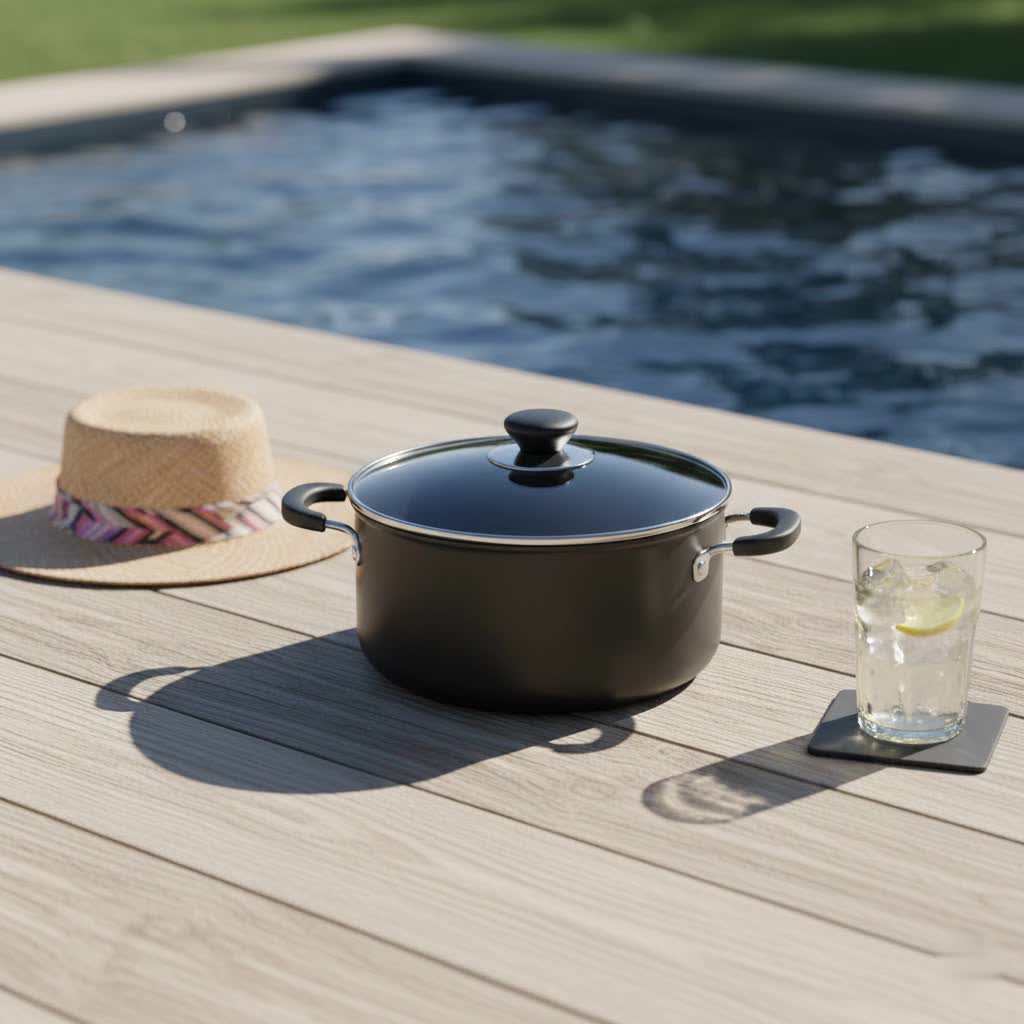
A large stock pot is fundamentally a tall, cylindrical cooking vessel characterized by its wide diameter, high straight walls, a flat bottom, and two sturdy helper handles, typically accompanied by a tight-fitting lid. Its design is specifically engineered to hold a significant volume of liquid and maintain a consistent temperature over extended cooking periods, making it ideal for processes where evaporation needs to be controlled.
While it shares some superficial similarities with a Dutch oven, a large stock pot serves a distinct purpose. Dutch ovens are generally shorter, wider, and made of heavy cast iron (often enameled), excelling at braising, roasting in the oven, and slow-cooking dense ingredients. In contrast, a stock pot’s height prioritizes liquid volume, making it the perfect choice for the stovetop tasks it was named for: creating flavorful stocks and broths. This design allows for better immersion of ingredients and reduces splash-back, making it a true hero for large-batch liquid-based cooking.
Popular Materials for Large Stock Pots and Their Applications
The material of your large stock pot profoundly influences its performance, durability, and suitability for various cooking tasks. Each material offers a unique set of advantages and disadvantages that cater to different culinary needs and preferences.
Stainless Steel Stock Pots
|
Our Picks for the Best Cooking Pot in 2026
As an Amazon Associate I earn from qualifying purchases.
|
||
| Num | Product | Action |
|---|---|---|
| 1 | MICHELANGELO Nonstick Saucepan with Lid, Ceramic Sauce Pan Sets, Easy to Clean Sauce Pans, Multi-Purpose Cooking Pots, 1QT & 2QT & 3QT, Black |

|
| 2 | Amazon Basics Non Stick Kitchen Cookware 8-Piece Set, Non-Induction, Includes Pots and Pans, Black |
|
| 3 | Amazon Basics Non Stick Kitchen Cookware 15-Piece Set, Non-Induction, Includes Pots, Pans, and Utensils, Black |
|
| 4 | Amazon Basics Ceramic Nonstick Pots and Pans Cookware Set, Dishwasher & Oven Safe, Even Heating, 10-Piece Set, Copper Color |
|
| 5 | Cook N Home Nonstick Stockpot with Lid 10.5-Qt, Deep Cooking Pot Cookware Canning Stock Pot with Glass Lid, Black |
|
| 6 | Kirecoo Stainless Steel Stock Pot - 8 Quart Heavy Duty Induction Cooking Pot with Visible Lid for Pasta, Soup, Spaghetti, Nonstick Thick Bottom Big Stockpot, Deep Cookware for Canning, Boiling, Simmer |
|
| 7 | Gotham Steel 5 Quart Stock Pot Multipurpose Pasta Pot with Strainer Lid & Twist and Lock Handles, Nonstick Ceramic Surface Makes for Effortless Cleanup with Tempered Glass Lid, Dishwasher Safe |
|
| 8 | SENSARTE Nonstick Saucepan with Lid, 1.5 Quarts Small Pot with Swiss Granite Coating, Stay-cool Handle, Multipurpose Handy Sauce Pot Small Kitchen Cooking Pot, Induction Comptable, PFOA Free |
|
| 9 | 1-Quart Gray Nonstick Saucepan with Lid |
|
| 10 | P&P CHEF Pasta Pot with Strainer Lid, 6 Quart Stainless Steel Stockpot for Home Kitchen Restaurant Cooking, Visible Glass lid Heat-Proof Handles, Dishwasher Safe |
|
Stainless steel is perhaps the most popular choice for large stock pots due to its exceptional durability and non-reactive nature. This means it won’t leach metallic flavors into acidic foods like tomato sauces or vinegars, preserving the true taste of your ingredients. Stainless steel pots are also remarkably easy to clean and maintain, resisting rust, corrosion, and staining. While they might conduct heat more slowly than aluminum, their robust construction ensures a long lifespan, making them a wise long-term investment for everyday cooking, especially for soups, stews, and boiling large quantities of water.
Multi-Clad (Tri-Ply/5-Ply) Stock Pots
For those seeking professional-grade performance, multi-clad stock pots represent a significant upgrade. These pots feature multiple layers of different metals, typically stainless steel sandwiching an aluminum or copper core, not just at the base but throughout the entire body. This innovative construction combines the non-reactive and durable qualities of stainless steel with the superior heat conductivity of aluminum. The result is exceptionally even heat distribution, eliminating hot spots that can lead to scorching. While often heavier and more expensive, multi-clad pots offer precise temperature control, making them excellent for browning meats directly in the pot before simmering, achieving consistent results for delicate sauces, and ensuring warp resistance even under intense heat.
Aluminum Stock Pots
Aluminum stock pots are prized for their excellent heat conductivity and lightweight nature, allowing them to heat up very quickly. This makes them a great choice for tasks requiring rapid boiling, such as cooking pasta or blanching vegetables. They are also significantly more affordable than stainless steel or multi-clad options. However, bare aluminum can react with acidic foods, potentially altering their taste and color. To mitigate this, many aluminum stock pots come with anodized or non-reactive coatings. While generally less durable and more prone to denting than stainless steel, their quick heating and light weight make them a practical, budget-friendly option for specific non-acidic large-batch cooking.
Enameled Steel/Cast Iron Stock Pots
Enameled stock pots offer a blend of functionality and aesthetic appeal. Enameled steel versions are typically lighter than cast iron and provide good heat distribution, resisting rust and making cleanup easy. Enameled cast iron stock pots, while very heavy, boast superior heat retention, which is excellent for slow, even simmering and developing deep flavors. The enamel coating also makes them non-reactive, safe for all food types, and often quite attractive for serving straight from the stove to the table. However, the enamel can chip if mistreated or exposed to extreme temperature shocks. These pots are perfect for long, slow-cooked dishes like rich bone broths, hearty gumbos, or stews where sustained, gentle heat is desired.
Comparison Table: Large Stock Pot Materials
| Material | Pros | Cons | Ideal Applications |
|---|---|---|---|
| Stainless Steel | Durable, non-reactive, easy to clean | Slower heat transfer (unless clad) | All-purpose, acidic foods, long simmers |
| Multi-Clad | Even heat, warp-resistant, precise control | Heavy, higher cost | Professional results, browning, precise cooking |
| Aluminum | Lightweight, fast heat, affordable | Reactive (unless anodized), less durable, prone to denting | Quick boiling, non-acidic stocks, budget-friendly |
| Enameled Steel/CI | Heat retention, aesthetic, non-reactive | Heavy (cast iron), enamel can chip | Slow cooking, braising, serving, aesthetic appeal |
How to Choose the Perfect Large Stock Pot
Selecting the right large stock pot involves more than just picking the biggest one on the shelf. Consider your cooking habits, family size, and kitchen setup to make an informed decision that will serve you well for years.
Determining Your Capacity Needs (Quart Sizes)
The size of your stock pot is paramount. It dictates how much food you can prepare and how easily it fits on your stovetop and in storage.
- 6-8 Quart: This size is often considered the standard for most home cooks and small to medium-sized families (1-4 people). It’s incredibly versatile for everyday tasks like making a batch of soup, boiling pasta for dinner, or preparing a moderate amount of chili. An 8-quart pot strikes a good balance between capacity and manageability.
- 10-12 Quart: This is the sweet spot for larger families (4-6+ people), meal prepping, and frequent entertaining. A 12-quart stock pot can comfortably handle a whole chicken for broth, a substantial batch of chili to freeze, or enough pasta for a crowd. It’s spacious enough for significant volumes without becoming excessively cumbersome.
- 16+ Quart (up to 100 Quarts for commercial): For true large-scale cooking, such as home canning projects, seafood boils for a big party, brewing beer, or feeding an exceptionally large gathering, a 16-quart or even larger commercial-grade stock pot is necessary. Be mindful that these large pots will require considerable storage space and can be very heavy when full.
Material Matters
As discussed, the material impacts performance and safety. Prioritize materials that are safe for food contact and match your stove type. Stainless steel (especially multi-clad) is a top recommendation for its versatility and durability. If you have an induction cooktop, ensure your chosen pot is induction-compatible (typically stainless steel or enameled cast iron, as bare aluminum is not).
Essential Design Features
Beyond size and material, several design elements contribute to a stock pot’s functionality and user-friendliness.
- Heavy, Thick Bottom: A thick, heavy-gauge bottom is crucial for even heat distribution. It prevents hot spots that can scorch food and ensures ingredients cook uniformly. This feature also adds stability on the burner and helps in retaining heat.
- Sturdy, Wide, Riveted Handles: A full large stock pot can be incredibly heavy. Look for handles that are wide, comfortable to grip (even with oven mitts), and securely riveted to the pot. Stay-cool handles are a bonus, enhancing safety and ease of use when moving the pot.
- Tight-fitting Lid: A well-fitting lid is essential for trapping steam, flavors, and moisture, which helps bring liquids to a boil faster and reduces evaporation during long simmering times. Glass lids can be beneficial for monitoring cooking progress without lifting the lid and releasing heat.
- Shape: While traditionally tall and narrow, some modern stock pots are designed to be a bit shorter and wider. Shorter, wider pots can offer a larger surface area for browning ingredients and may be easier to stir in without bumping your hands against the sides. However, taller pots still excel at minimizing evaporation over long cooking periods.
- Oven and Dishwasher Safe: These features add significant versatility and convenience. An oven-safe pot allows you to start a dish on the stovetop and finish it in the oven, while dishwasher compatibility simplifies cleanup.
Maximizing Your Large Stock Pot: Usage and Care Tips
A large stock pot is an investment, and proper usage and care will ensure its longevity and performance.
Best Usage Practices
- Read Instructions: Always review the manufacturer’s care and use instructions, especially for specialty materials or coatings.
- Never Boil Dry: Heating an empty pot on a burner can damage the material, warp the base, or ruin non-stick coatings.
- Use Appropriate Utensils: For non-stick or enameled surfaces, use wooden, silicone, or plastic utensils to avoid scratching. For stainless steel, metal utensils are generally fine but can cause minor scratches over time.
- Don’t Overcrowd: While a large pot is for big batches, avoid filling it to the absolute brim, especially when boiling liquids rapidly, to prevent messy overflows.
- Salt Water Correctly: When boiling pasta, generously salt the water (about 1 tablespoon per quart) to season the pasta from within, enhancing its flavor.
Cleaning and Maintenance
- Clean Immediately: For best results, clean your stock pot soon after use. This prevents food from hardening and becoming difficult to remove.
- Avoid Harsh Abrasives: For most materials, particularly non-stick or enameled, avoid abrasive scouring pads or harsh chemical cleaners, which can damage the surface. Gentle dish soap and a soft sponge are usually sufficient.
- Soak Burnt-On Food: If food sticks or burns, fill the pot with warm, soapy water and let it soak for an hour or two (or even overnight) before gently scrubbing. For stubborn spots, a paste of baking soda and water can often help.
Storage
- Dry and Ventilated: Store your stock pot in a dry, well-ventilated area to prevent moisture buildup, especially for cast iron, which can rust.
- Prevent Dents: Avoid stacking heavy items directly inside smaller pots or causing hard impacts, which can dent aluminum or chip enamel.
Common Culinary Uses for Your Large Stock Pot
The large stock pot is a true kitchen workhorse, capable of far more than just its namesake task.
“A reliable stock pot is essential for every kitchen, whether you’re a seasoned chef or a home cook. It’s the secret weapon behind delicious soups, stews, and sauces, quietly transforming simple ingredients into culinary masterpieces.”
Here are some of its most popular and versatile applications:
- Classic Stocks & Broths: This is its primary calling. Slowly simmering bones, vegetables, and aromatics over hours yields rich, flavorful bases for countless dishes.
- Hearty Soups & Stews: The tall sides and generous capacity make it perfect for developing deep flavors in large batches of chili, minestrone, goulash, or any other family-sized soup or stew.
- Pasta & Grains: Boiling large quantities of pasta requires ample water to prevent sticking, a task a large stock pot handles with ease. It’s also ideal for cooking grains like rice pilafs or quinoa for a crowd.
- Seafood Boils & Steaming: Whether it’s a crab boil, steaming lobsters, or blanching a large batch of vegetables with a steamer insert, the stock pot’s volume is invaluable.
- Deep Frying: Its deep, straight sides can transform it into a safe vessel for deep frying items like fried chicken, French fries, or tempura, provided you monitor oil temperature carefully.
- Home Canning & Preserving: The depth of a large stock pot is crucial for safely sterilizing mason jars and processing homemade jams, pickles, and sauces by submerging them completely.
- Meal Prep & Batch Cooking: For busy individuals or large families, a large stock pot simplifies cooking substantial quantities of food to enjoy throughout the week, from big batches of grains to freezer-friendly meals.
Conclusion
The large stock pot is an indispensable tool that every kitchen deserves. Its ability to handle substantial volumes of ingredients, coupled with its versatility across numerous cooking techniques, makes it an unparalleled asset for home cooks and culinary enthusiasts alike. From crafting foundational stocks and bubbling stews to facilitating grand seafood feasts and efficient meal prep, this culinary giant simplifies complex tasks and expands your cooking horizons.
When choosing your ideal large stock pot, remember to prioritize capacity based on your household’s needs, select a durable and compatible material, and look for thoughtful design features like a heavy bottom and sturdy handles. With the right large stock pot, you’re not just buying cookware; you’re investing in a lifetime of delicious meals and effortless large-scale cooking. So, what delicious, big-batch creation will you conquer with your new kitchen essential?
Frequently Asked Questions
What is the ideal size for a large stock pot for a family of four?
For a family of four, a 10- to 12-quart large stock pot is often considered ideal. This size provides ample space for boiling pasta, making generous batches of soup or chili, and preparing homemade stocks without being overly cumbersome for everyday use or storage.
Can I deep fry in a large stock pot?
Yes, you can deep fry in a large stock pot, provided it has tall, straight sides to prevent splattering and enough depth to safely contain the oil. Stainless steel or enameled cast iron pots are generally good choices. Always use a deep-fry thermometer to maintain the correct oil temperature and exercise extreme caution.
How do I prevent food from sticking to the bottom of my stainless steel stock pot?
To prevent sticking in a stainless steel stock pot, ensure you preheat the pot properly before adding oil and ingredients. A common technique is to heat the pot until water droplets dance on the surface. Also, consider pots with a thick, multi-clad bottom for superior heat distribution.
What’s the difference between a stock pot and a Dutch oven?
A stock pot is typically tall and narrow, designed to hold large volumes of liquid for making stocks, soups, and boiling. A Dutch oven, conversely, is usually shorter, wider, and made of heavy cast iron, excelling at braising, roasting in the oven, and slow-cooking dense ingredients.
Is an aluminum or stainless steel stock pot better?
For most home cooks, a stainless steel stock pot (especially multi-clad) is generally better due to its durability, non-reactivity with acidic foods, and ease of cleaning. Aluminum heats faster and is lighter, but it can react with acidic ingredients and is less durable unless it has an anodized coating.
