For any home chef, the right cooking pot can transform a meal from ordinary to extraordinary. With countless options available, choosing the perfect cooking pot can feel overwhelming. This comprehensive guide will delve into two of the most popular and versatile contenders in the kitchen: the Crock Pot and the Dutch oven. We’ll explore their unique characteristics, optimal uses, and how to select, use, and maintain them for years of delicious cooking.
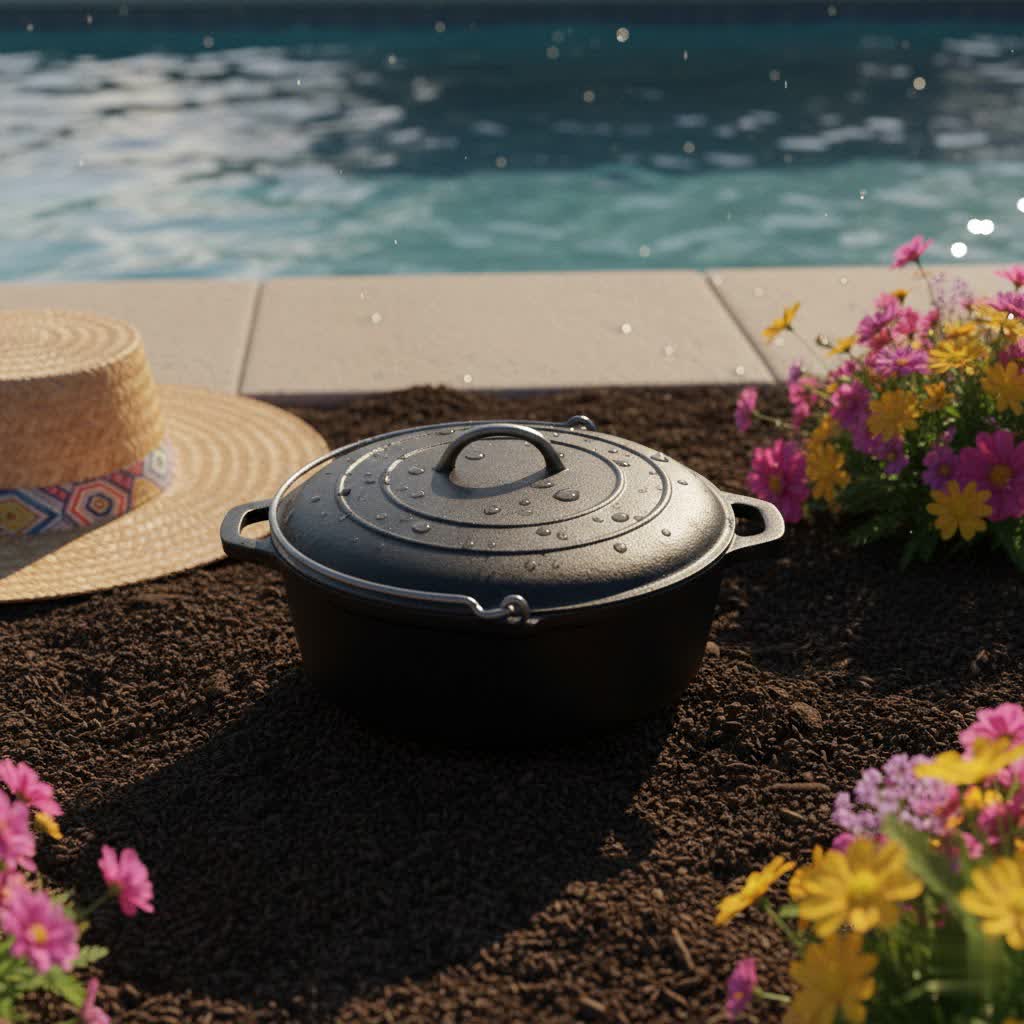
Exploring Diverse Cooking Pot Types and Their Applications
The world of cooking pots is vast, with each material and design offering distinct advantages for various culinary tasks. Understanding these differences is the first step toward building a truly functional kitchen.
Stainless Steel Pots
|
Our Picks for the Best Cooking Pot in 2026
As an Amazon Associate I earn from qualifying purchases.
|
||
| Num | Product | Action |
|---|---|---|
| 1 | Amazon Basics Ceramic Nonstick Pots and Pans Cookware Set, Dishwasher & Oven Safe, Even Heating, 10-Piece Set, Copper Color |

|
| 2 | Amazon Basics Non Stick Kitchen Cookware 8-Piece Set, Non-Induction, Includes Pots and Pans, Black |
|
| 3 | P&P CHEF Pasta Pot with Strainer Lid, 6 Quart Stainless Steel Stockpot for Home Kitchen Restaurant Cooking, Visible Glass lid Heat-Proof Handles, Dishwasher Safe |
|
| 4 | Amazon Basics Non Stick Kitchen Cookware 15-Piece Set, Non-Induction, Includes Pots, Pans, and Utensils, Black |
|
| 5 | Kirecoo Stainless Steel Stock Pot - 8 Quart Heavy Duty Induction Cooking Pot with Visible Lid for Pasta, Soup, Spaghetti, Nonstick Thick Bottom Big Stockpot, Deep Cookware for Canning, Boiling, Simmer |
|
| 6 | Cook N Home Nonstick Stockpot with Lid 10.5-Qt, Deep Cooking Pot Cookware Canning Stock Pot with Glass Lid, Black |
|
| 7 | 1-Quart Gray Nonstick Saucepan with Lid |
|
| 8 | SENSARTE Nonstick Saucepan with Lid, 1.5 Quarts Small Pot with Swiss Granite Coating, Stay-cool Handle, Multipurpose Handy Sauce Pot Small Kitchen Cooking Pot, Induction Comptable, PFOA Free |
|
| 9 | MICHELANGELO Nonstick Saucepan with Lid, Ceramic Sauce Pan Sets, Easy to Clean Sauce Pans, Multi-Purpose Cooking Pots, 1QT & 2QT & 3QT, Black |
|
| 10 | Gotham Steel 5 Quart Stock Pot Multipurpose Pasta Pot with Strainer Lid & Twist and Lock Handles, Nonstick Ceramic Surface Makes for Effortless Cleanup with Tempered Glass Lid, Dishwasher Safe |
|
Stainless steel pots are a kitchen staple known for their durability and ease of maintenance. They are generally safe for health and simple to clean. However, they tend to heat slowly and can lead to scorching if not monitored carefully. These pots are ideal for boiling, simmering, and preparing light soups and sauces.
Aluminum Pots
Lightweight and excellent at conducting heat, aluminum pots are often a budget-friendly choice. They heat up quickly, making them suitable for fast-cooking dishes. A drawback is their susceptibility to oxidation, which can potentially react with acidic foods over long periods. Use them for quick, everyday cooking tasks where rapid heating is beneficial.
Clay Pots
Traditional clay pots excel at retaining heat, imparting a unique, earthy flavor to dishes. They keep food warm for extended periods, but their fragile nature makes them prone to breaking. Cleaning can also be more challenging compared to other materials. Clay pots are perfect for slow-cooked stews, braises, and traditional rice dishes that benefit from sustained, gentle heat.
Pressure Cookers
Pressure cookers are marvels of efficiency, drastically reducing cooking times and energy consumption. They are particularly useful for busy individuals or for preparing foods that typically require long simmering, such as tough cuts of meat, beans, and grains. However, they demand careful handling and adherence to safety instructions due to the high internal pressure.
Electric Multi-Cookers (Including Crock Pots)
Modern kitchens often feature electric multi-cookers, which offer unparalleled convenience and versatility. Many models can slow cook, steam, sauté, and even pressure cook. While generally more expensive than basic pots, their multi-functionality and ease of use make them invaluable. They are perfect for “set-it-and-forget-it” meals, offering programmable settings and automatic warming functions.
Dutch Ovens
A robust and highly versatile piece of cookware, the Dutch oven is typically made of thick-walled cast iron, often enameled. It excels in both stovetop and oven cooking, providing superior heat retention and even distribution. This makes it perfect for searing meats, slow-cooking stews and braises, baking artisan bread, and even deep-frying. While heavy and sometimes costly, a well-maintained Dutch oven can last a lifetime, seamlessly transitioning from stove to oven and even to the dinner table for serving.
A Comparative Look: Crock Pot vs. Dutch Oven
Both Crock Pots and Dutch ovens are celebrated for their ability to deliver tender, flavorful slow-cooked meals, but they achieve this through different means and offer distinct advantages.
| Feature | Crock Pot (Slow Cooker) | Dutch Oven |
|---|---|---|
| Heat Source | Electric base, countertop appliance | Stovetop, oven, or even open fire (bare cast iron) |
| Material | Ceramic or stoneware insert in an electric housing | Cast iron (bare or enameled), sometimes aluminum or ceramic |
| Cooking Method | Consistent low, moist heat over extended periods | Versatile: slow cooking, searing, braising, baking, frying |
| Versatility | Primarily slow cooking and keeping warm (some multi-function models) | Highly versatile for many cooking techniques |
| Pre-Searing | Usually requires separate searing on stovetop | Can sear ingredients directly in the pot on the stovetop |
| Portability | Generally portable with locking lids (some models) | Heavy, but can be taken from stovetop to oven to table |
| Energy Use | Energy efficient for long cooking times | Energy efficient due to excellent heat retention |
| Maintenance | Easy to clean removable insert | Enameled: easy to clean; Bare: requires seasoning |
| Best For | “Set-it-and-forget-it” meals, busy schedules, keeping food warm | One-pot meals, braises, roasts, bread baking, deep frying |
The fundamental difference lies in their power source and versatility. A Crock Pot is an electrical appliance designed for hands-off, low-and-slow cooking. A Dutch oven, on the other hand, is a traditional pot that relies on an external heat source, offering more control and a wider range of cooking applications, including initial searing and high-heat baking.
How to Choose the Perfect Cooking Pot for Your Kitchen
Selecting the right cooking pot depends heavily on your individual needs and cooking habits. Consider these factors before making your investment.
Defining Your Culinary Needs
Start by evaluating your typical cooking routine. What types of dishes do you prepare most often? How many people do you typically cook for? Do you need a pot for daily meals or for special occasions and entertaining? Understanding your primary use cases and the size of your household will guide you toward the appropriate capacity and features. Your budget is also a crucial factor, as prices can vary significantly between materials and brands.
Material Matters for Optimal Performance
The material of your cooking pot dictates its performance, durability, and maintenance requirements.
- Enameled Cast Iron: An excellent choice for a Dutch oven, offering superb heat retention and distribution without the need for seasoning. It’s ideal for acidic foods and is easy to clean.
- Stoneware/Ceramic: Commonly found in Crock Pot inserts, these materials provide even, gentle heat. For Dutch ovens, ceramic versions are lighter but can be more fragile than cast iron.
- Stainless Steel: A durable, non-reactive option for general cooking, though it doesn’t retain heat as effectively for slow cooking or braising.
Ensure the chosen material is compatible with your stovetop (gas, electric, induction).
Size and Shape: Finding the Right Fit
Choosing the correct pot size prevents energy waste and ensures your food cooks properly. A pot that is too large for the amount of food will cook unevenly, while one too small will overflow. For Crock Pots, a 4- to 6-quart model is typically sufficient for a family of three to five, while an 8-quart or larger is great for big meals or entertaining. Dutch ovens come in similar sizes, with wider, shorter designs often preferred for braising and roasting. Consider an oval shape for longer cuts of meat, and a round shape for most other dishes.
Brand Reputation and Value
Investing in a reputable brand often means better quality, durability, and customer support. While high-end brands can be expensive, many mid-range options offer excellent performance and longevity. Always compare prices and read reviews to ensure you’re getting good value for your money. Look for products with clear warranty information.
Essential Additional Features
Beyond the basics, certain features can significantly enhance your cooking experience:
- Lids: A tight-fitting lid is crucial for heat and moisture retention. Glass lids for Crock Pots allow you to monitor food without lifting, preventing heat loss.
- Handles: Sturdy, heat-resistant handles are essential for safe transport, especially for heavy Dutch ovens.
- Programmable Settings (Crock Pots): Timers and automatic “keep warm” functions offer maximum convenience for busy schedules.
- Oven-Safe (Dutch Ovens): Ensure the entire pot, including the knob on the lid, is oven-safe to high temperatures if you plan to use it for baking or roasting.
Expert Tips for Using and Maintaining Your Cooking Pots
Proper use and care will extend the life of your cooking pots and ensure optimal performance.
Smart Usage Practices
Always read the manufacturer’s instructions before using a new pot. For Crock Pots, avoid overfilling or underfilling (typically aim for ½ to ¾ full) to ensure even cooking. Never preheat a dry Crock Pot insert. With Dutch ovens, you can often start by searing ingredients on the stovetop before transferring to the oven, maximizing flavor development. Use wooden, silicone, or plastic utensils to prevent scratching the interior surfaces of both types of pots.
Effective Cleaning Routines
Clean your pots promptly after use. For enameled cast iron Dutch ovens and Crock Pot inserts, gentle dish soap and a soft sponge are usually sufficient. Avoid abrasive cleaners or steel wool, which can damage surfaces. For stubborn, burnt-on food, fill the pot with warm water and a little dish soap, let it soak for an hour or two (or even overnight), then gently scrub. For bare cast iron Dutch ovens, avoid soap and instead clean with hot water and a stiff brush, then re-season.
Optimal Storage Solutions
Store your cooking pots in a dry, cool place to prevent rust or damage. For heavy items like Dutch ovens, consider storing them on lower shelves or in sturdy cabinets to prevent accidents. Avoid stacking other heavy items directly inside enameled pots to prevent chipping. If stacking, place a cloth or paper towel between pots to protect surfaces.
“The secret to truly tender meat and deeply flavorful stews often lies not in complex techniques, but in the sustained, gentle heat that a quality Crock Pot or Dutch oven provides.” – Chef Isabella Rossi, Culinary Instructor
Conclusion
Choosing between a Crock Pot and a Dutch oven doesn’t have to be a dilemma; each excels in its own domain. The Crock Pot offers unparalleled convenience for busy lives, delivering delicious, hands-off meals. The Dutch oven, a versatile workhorse, provides the flexibility for a wide array of cooking techniques, from searing to baking, yielding incredible depth of flavor. By considering your lifestyle, culinary aspirations, and specific needs, you can confidently select the perfect cooking pot to elevate your home cooking. Which culinary adventures will you embark on first with your chosen pot?
Frequently Asked Questions
What is the main advantage of an enameled cast iron Dutch oven over a bare cast iron one?
Enameled cast iron Dutch ovens offer the excellent heat retention of traditional cast iron without the need for seasoning or concerns about reacting with acidic foods. They are also easier to clean and come in a variety of attractive colors, making them suitable for serving.
Can I use my Crock Pot insert in the oven?
Many Crock-Pot™ brand stoneware inserts are oven-safe up to 400°F (without the lid). However, it’s crucial to check your specific model’s manual, as not all slow cooker inserts are designed for oven use.
Are Crock Pots and slow cookers the same thing?
“Crock Pot” is a brand name that has become synonymous with the product type, much like “Kleenex” for tissues. Essentially, all Crock Pots are slow cookers, but not all slow cookers are Crock Pots. They both function on the principle of slow, moist heat cooking.
Why is a tight-fitting lid important for both a Dutch oven and a Crock Pot?
A tight-fitting lid is essential for both types of cooking pots to trap moisture and heat. This creates a consistent cooking environment, tenderizes ingredients, prevents food from drying out, and allows flavors to meld effectively, especially during long cooking periods.
Can a Dutch oven truly replace multiple other cooking pots?
Yes, a well-chosen Dutch oven can indeed replace several other pieces of cookware. Its ability to go from stovetop to oven and perform tasks like searing, braising, roasting, baking, and simmering makes it an incredibly versatile “one-pot wonder” for a wide range of recipes.
