Embarking on an outdoor adventure often brings visions of stunning landscapes, fresh air, and, for many, delicious meals cooked under the open sky. However, the success of your wilderness culinary endeavors hinges significantly on one crucial piece of equipment: your camping pot. With a myriad of options available, selecting the ideal camping pot can seem daunting. This comprehensive guide will navigate you through the world of camping cookware, helping you understand different types, choose the perfect pot for your adventures, and keep it in top condition for years to come.
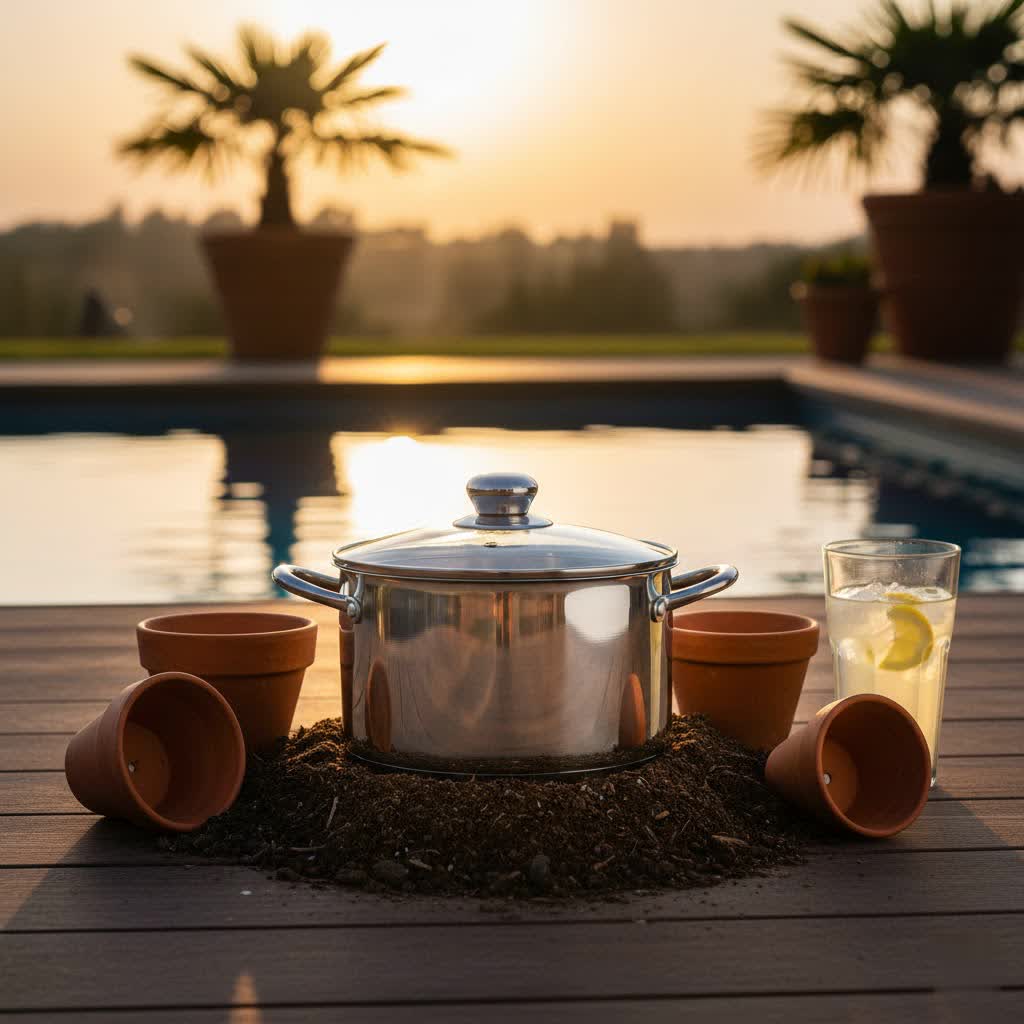
Popular Types of Camping Pots and Their Applications
Understanding the diverse range of materials and designs is the first step to finding your ideal camping pot. Each type offers distinct advantages and disadvantages, catering to various camping styles and culinary ambitions.
Stainless Steel Pots
|
Our Picks for the Best Cooking Pot in 2026
As an Amazon Associate I earn from qualifying purchases.
|
||
| Num | Product | Action |
|---|---|---|
| 1 | Amazon Basics Non Stick Kitchen Cookware 15-Piece Set, Non-Induction, Includes Pots, Pans, and Utensils, Black |

|
| 2 | MICHELANGELO Nonstick Saucepan with Lid, Ceramic Sauce Pan Sets, Easy to Clean Sauce Pans, Multi-Purpose Cooking Pots, 1QT & 2QT & 3QT, Black |
|
| 3 | Gotham Steel 5 Quart Stock Pot Multipurpose Pasta Pot with Strainer Lid & Twist and Lock Handles, Nonstick Ceramic Surface Makes for Effortless Cleanup with Tempered Glass Lid, Dishwasher Safe |
|
| 4 | Amazon Basics Ceramic Nonstick Pots and Pans Cookware Set, Dishwasher & Oven Safe, Even Heating, 10-Piece Set, Copper Color |
|
| 5 | P&P CHEF Pasta Pot with Strainer Lid, 6 Quart Stainless Steel Stockpot for Home Kitchen Restaurant Cooking, Visible Glass lid Heat-Proof Handles, Dishwasher Safe |
|
| 6 | SENSARTE Nonstick Saucepan with Lid, 1.5 Quarts Small Pot with Swiss Granite Coating, Stay-cool Handle, Multipurpose Handy Sauce Pot Small Kitchen Cooking Pot, Induction Comptable, PFOA Free |
|
| 7 | 1-Quart Gray Nonstick Saucepan with Lid |
|
| 8 | Kirecoo Stainless Steel Stock Pot - 8 Quart Heavy Duty Induction Cooking Pot with Visible Lid for Pasta, Soup, Spaghetti, Nonstick Thick Bottom Big Stockpot, Deep Cookware for Canning, Boiling, Simmer |
|
| 9 | Amazon Basics Non Stick Kitchen Cookware 8-Piece Set, Non-Induction, Includes Pots and Pans, Black |
|
| 10 | Cook N Home Nonstick Stockpot with Lid 10.5-Qt, Deep Cooking Pot Cookware Canning Stock Pot with Glass Lid, Black |
|
Stainless steel is a robust and long-lasting material, highly favored for its exceptional durability and resistance to scratches and corrosion. These pots can withstand heavy use and are often a go-to for cooking over open campfires, making them a popular choice for car camping and group trips. While they might be heavier than other options, their resilience ensures they can endure the rigors of the outdoors. They generally offer decent heat distribution, though some designs may experience hot spots without an aluminum core.
Aluminum Pots
Aluminum, particularly hard-anodized aluminum, strikes a fantastic balance between weight, heat conductivity, and affordability. It’s lighter than stainless steel and titanium, making it a versatile choice for many backpackers and campers. Aluminum heats quickly and distributes heat evenly, preventing hot spots and making it excellent for cooking a variety of meals, from delicate eggs to hearty stews. Hard-anodization further enhances its durability, making it more resistant to scratches and corrosion while preventing the material from reacting with acidic foods.
Titanium Pots
For those who prioritize an ultralight pack, titanium is the undisputed champion. This material is incredibly strong and remarkably lightweight, making titanium camping pots ideal for solo backpackers, thru-hikers, and anyone counting every gram. Titanium heats up very fast and is highly corrosion-resistant. However, its poor heat distribution can lead to hot spots, making it best suited for boiling water quickly for rehydrated meals or hot beverages rather than intricate gourmet cooking.
Cast Iron Pots
Cast iron pots, such as Dutch ovens, are renowned for their exceptional heat retention and durability, though they are significantly heavier than other camping pot materials. Their ability to maintain consistent heat makes them perfect for slow-cooking, baking, roasting, and frying over an open fire or with charcoal. Cast iron excels at imparting a unique flavor to food and can last a lifetime with proper care, making it a favorite for car campers and base camp setups where weight is less of a concern.
Multi-Functional Electric Pots
While not traditional camping pots, multi-functional electric pots offer unparalleled convenience for glamping or RV camping with access to electricity. These units can perform various functions, including cooking rice, sautéing, steaming, and even slow cooking. Their ease of use and versatility make them attractive for campers who desire a home-like cooking experience without the hassle of managing open flames or gas stoves. However, their reliance on an external power source limits their use to specific camping environments.
Comparison of Popular Camping Pot Materials
| Type of Pot | Advantages | Disadvantages | Common Applications |
|---|---|---|---|
| Stainless Steel | Durable, scratch-resistant, affordable, good for campfires | Heavier than aluminum/titanium, can have hot spots | Boiling, simmering, general camp cooking, group meals |
| Aluminum | Lightweight, fast & even heat, affordable, versatile | Less durable than steel/titanium, can dent/scratch | Frying, sautéing, boiling, varied meals |
| Titanium | Ultralight, strong, corrosion-resistant, heats quickly | Expensive, poor heat distribution (hot spots) | Boiling water, dehydrated meals, solo backpacking |
| Cast Iron | Excellent heat retention, versatile, very durable | Very heavy, requires seasoning, prone to rust | Slow cooking, baking, frying, open fire, car camping |
| Electric | Convenient, multi-functional, easy to use | Requires power source, not for backcountry | Glamping, RV camping, powered campsites |
How to Choose the Right Camping Pot
Selecting the best camping pot involves balancing your specific needs with the characteristics of different materials and designs. Consider these factors to make an informed decision:
Determine Your Usage Needs
Before anything else, clarify your camping style and culinary ambitions. Are you a solo backpacker aiming for ultralight gear and quick rehydrated meals? Or are you a car camper planning elaborate gourmet feasts for a family or group? Your group size, the types of meals you intend to cook, and the duration of your trips will heavily influence the ideal pot size and material. A smaller, lightweight pot (around 1 liter per person) is often sufficient for boiling water for dehydrated meals, while larger pots and pans are essential for cooking for multiple people or preparing more complex dishes.
Evaluate Pot Material
The material of your camping pot dictates its weight, durability, and cooking performance.
- Titanium is unmatched for ultralight backpackers focused on boiling water.
- Hard-anodized aluminum offers a great all-around solution for those who want to cook diverse meals without excessive weight.
- Stainless steel provides exceptional durability for frequent, rugged use and campfire cooking, though at a higher weight.
- Cast iron is superb for car campers who prioritize superior heat retention and versatile cooking over weight.
Consider Pot Size and Capacity
The size of your camping pot should align with the number of people you’re cooking for and the types of meals. A general rule of thumb for backpacking is about one pint (roughly 0.5 liters) of capacity per person. For car camping, you might opt for larger pots and even full sets. Larger diameter pots can be more fuel-efficient as they expose more surface area to the flame, but ensure they sit securely on your stove without tipping.
Factor in Brand and Price
Investing in reputable brands often ensures better quality, durability, and customer support. While budget is always a consideration, remember that a higher upfront cost for a well-made camping pot can translate into years of reliable service. Compare prices from various retailers and read reviews to find the best value within your budget.
Look for Additional Features
Modern camping pots often come with clever features designed to enhance convenience and safety:
- Non-stick coatings make cooking and cleanup significantly easier, especially for frying. However, they require careful handling with non-metal utensils to avoid scratches.
- Nesting designs allow multiple pots, pans, or even stove components to fit compactly within one another, saving valuable space in your pack.
- Heat-resistant, foldable handles provide safe handling and contribute to compact storage.
- Multi-purpose lids that double as strainers, cutting boards, or even small frying pans add versatility and reduce the need for extra gear.
- Pot lifters or grippers are essential safety items for handling hot pots, especially those without integrated handles.
Tips for Using and Maintaining Your Camping Pot
Proper usage and consistent maintenance are key to extending the lifespan of your camping pot and ensuring safe, enjoyable outdoor cooking experiences.
Smart Usage Practices
Always begin by reading the manufacturer’s instructions for your specific camping pot. Avoid dry boiling (heating an empty pot) as this can damage the material, especially non-stick coatings. When cooking, use wooden, silicone, or plastic utensils to prevent scratching the pot’s surface. Pay attention to the ratio of your stove’s flame to the pot’s base; a flame that’s too wide for the pot can waste fuel and damage handles.
Effective Cleaning Methods
Clean your camping pot promptly after each use to prevent food from sticking and hardening.
- Initial Scrape: Use a spork or non-metal utensil to scrape out as much food residue as possible before adding water. This saves water and makes cleanup easier.
- Soak and Wash: If food is stuck, soak the pot in warm water with a small amount of mild, biodegradable dish soap. After soaking, gently scrub with a soft sponge or cloth. Avoid abrasive scouring pads or steel wool, which can scratch surfaces.
- For Tough Stains: A paste made from baking soda and water can tackle persistent stains. For burnt food, fill the pot with equal parts water and white vinegar, bring to a boil, then let it sit before scrubbing.
- Rinse Thoroughly: Rinse all soap residues with clean water.
- Environmental Considerations: If a campsite has a graywater disposal, use it. Otherwise, dispose of wash water at least 200 feet away from any water source and sleeping/eating areas.
Proper Storage Techniques
After cleaning, ensure your camping pot is completely dry before storing it to prevent rust or corrosion. Store pots in a dry, well-ventilated area. If stacking multiple pots, place a soft cloth, paper towel, or a purpose-made fleece protector between them to prevent scratches and damage during transport or storage. For cast iron pots, re-seasoning periodically by applying a thin layer of oil and heating it will maintain its non-stick properties and prevent rust.
“A well-chosen camping pot isn’t just cookware; it’s an investment in countless delicious outdoor memories. Treat it well, and it will serve you faithfully on every adventure.”
Conclusion
The world of camping pots offers a diverse array of choices, each designed to meet specific needs and preferences for your outdoor culinary journey. From the ultralight titanium pot favored by minimalist backpackers to the rugged stainless steel workhorse or the versatile cast iron Dutch oven for car camping, understanding the characteristics of each material is paramount. By considering your camping style, group size, and meal plans, and by following proper usage and maintenance guidelines, you can select a camping pot that becomes a cherished companion on countless adventures.
What delicious meal will you prepare first with your perfect camping pot?
Frequently Asked Questions
What is the best material for a camping pot if I only boil water?
For primarily boiling water, titanium is generally considered the best material. It is exceptionally lightweight and heats up very quickly, making it ideal for rehydrating meals, making coffee, or sterilizing water, especially for solo backpackers focused on minimizing pack weight.
Can I use my home cooking pot for camping?
While you technically can, it’s generally not recommended. Home cooking pots are often heavier, bulkier, and not designed to withstand the rigors of outdoor use, such as direct campfire heat or rough handling during transport. Specialized camping pots are built for portability, durability, and efficient outdoor cooking.
How do I prevent food from sticking to my camping pot?
To prevent food from sticking, choose a pot with a non-stick coating (ceramic or PTFE-based), use enough cooking oil, and manage your heat carefully to avoid scorching. For uncoated pots, ensure the pot is adequately heated before adding food, and use wooden or silicone utensils for stirring. Regular cleaning and proper seasoning (for cast iron) also help maintain non-stick properties.
