For many households worldwide, rice is more than just a staple; it’s a culinary cornerstone. Achieving perfectly cooked, fluffy rice consistently is an art, and at the heart of this art lies the humble yet crucial component: the rice cooker pot. Often overlooked, the inner pot of your rice cooker significantly influences not only the texture and taste of your rice but also its safety and your overall cooking experience. Understanding the nuances of this essential kitchen tool is the first step towards elevating your daily meals. This guide will delve into the various types of rice cooker pots, help you navigate the selection process, and provide expert tips for their optimal use and maintenance, ensuring every grain is cooked to perfection.
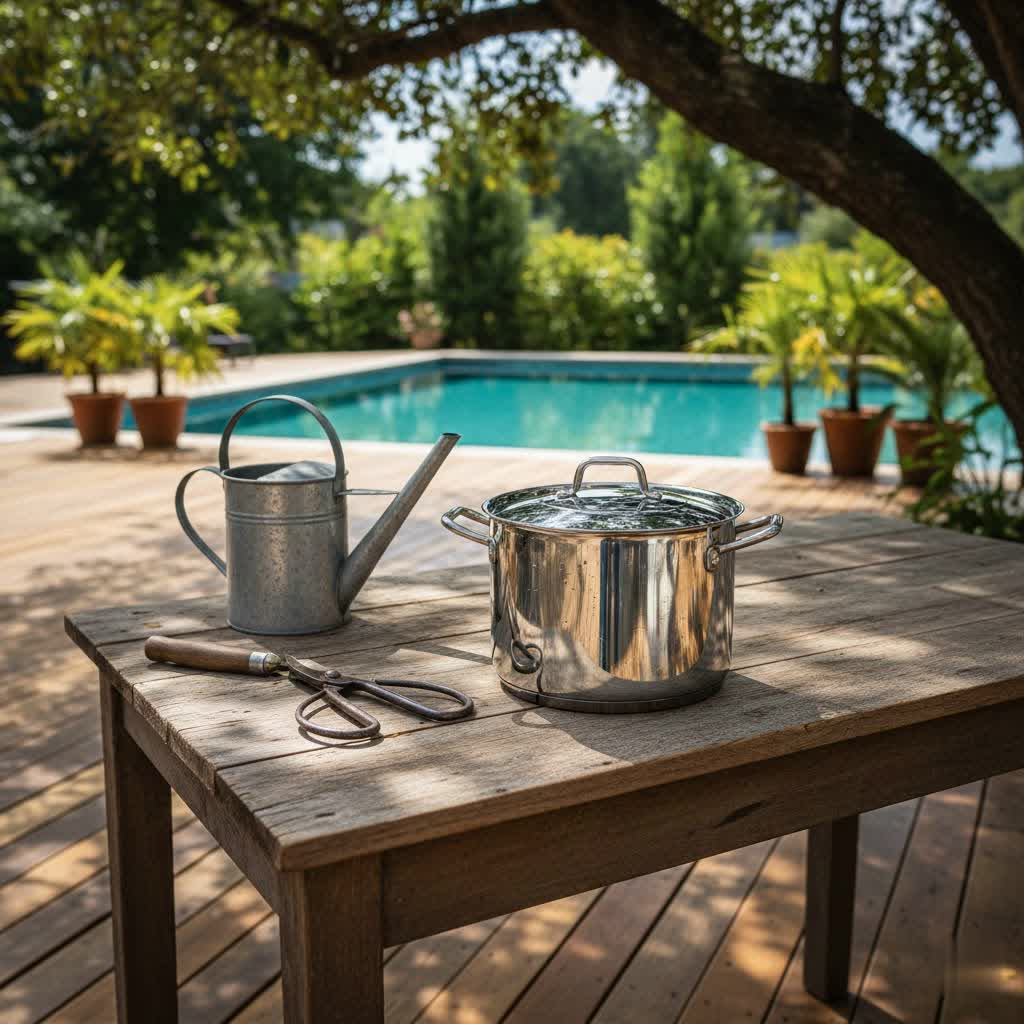
Understanding Your Rice Cooker Pot: Materials and Their Impact
The inner pot of a rice cooker is where all the magic happens. Its material, thickness, and design directly affect heat distribution, cooking speed, and how easily your rice detaches after cooking. Modern rice cooker pots come in a variety of materials, each presenting a unique set of advantages and disadvantages. Choosing the right material is paramount for both culinary results and long-term health.
The Heart of the Cooker: Inner Pot Materials
|
Our Picks for the Best Cooking Pot in 2026
As an Amazon Associate I earn from qualifying purchases.
|
||
| Num | Product | Action |
|---|---|---|
| 1 | Gotham Steel 5 Quart Stock Pot Multipurpose Pasta Pot with Strainer Lid & Twist and Lock Handles, Nonstick Ceramic Surface Makes for Effortless Cleanup with Tempered Glass Lid, Dishwasher Safe |

|
| 2 | Amazon Basics Ceramic Nonstick Pots and Pans Cookware Set, Dishwasher & Oven Safe, Even Heating, 10-Piece Set, Copper Color |
|
| 3 | Amazon Basics Non Stick Kitchen Cookware 8-Piece Set, Non-Induction, Includes Pots and Pans, Black |
|
| 4 | Amazon Basics Non Stick Kitchen Cookware 15-Piece Set, Non-Induction, Includes Pots, Pans, and Utensils, Black |
|
| 5 | 1-Quart Gray Nonstick Saucepan with Lid |
|
| 6 | Kirecoo Stainless Steel Stock Pot - 8 Quart Heavy Duty Induction Cooking Pot with Visible Lid for Pasta, Soup, Spaghetti, Nonstick Thick Bottom Big Stockpot, Deep Cookware for Canning, Boiling, Simmer |
|
| 7 | MICHELANGELO Nonstick Saucepan with Lid, Ceramic Sauce Pan Sets, Easy to Clean Sauce Pans, Multi-Purpose Cooking Pots, 1QT & 2QT & 3QT, Black |
|
| 8 | P&P CHEF Pasta Pot with Strainer Lid, 6 Quart Stainless Steel Stockpot for Home Kitchen Restaurant Cooking, Visible Glass lid Heat-Proof Handles, Dishwasher Safe |
|
| 9 | SENSARTE Nonstick Saucepan with Lid, 1.5 Quarts Small Pot with Swiss Granite Coating, Stay-cool Handle, Multipurpose Handy Sauce Pot Small Kitchen Cooking Pot, Induction Comptable, PFOA Free |
|
| 10 | Cook N Home Nonstick Stockpot with Lid 10.5-Qt, Deep Cooking Pot Cookware Canning Stock Pot with Glass Lid, Black |
|
Aluminum Alloy (with Non-Stick Coating)
Aluminum alloy inner pots are widely popular due to their excellent heat conduction, which allows for quick and even cooking. They are also generally more cost-effective, making them a common choice for mid-range rice cooker models. These pots typically feature a non-stick coating, often made from materials like polytetrafluoroethylene (PTFE) or perfluoroalkoxy polymer (PFA), to prevent rice from sticking and simplify cleanup.
- Pros: Rapid and even heat distribution, facilitating efficient cooking. Generally affordable.
- Cons: The non-stick coating can wear off over time, especially with improper use or cleaning. This wear raises concerns about potential chemical exposure and can lead to rice sticking. Most coated aluminum pots have a recommended replacement lifespan of 2-3 years.
Stainless Steel (304, 316, 316L)
Stainless steel inner pots are a favored choice for those prioritizing durability, safety, and longevity. Unlike their coated counterparts, stainless steel pots eliminate the risk of flaking coatings, offering a healthier cooking option. Common grades include 304, 316, and 316L, with 316L offering superior corrosion resistance.
- Pros: Highly durable and resistant to corrosion and high temperatures. Poses no risk of coating flaking into food, making it a safer alternative. Offers a longer lifespan, often up to 5-8 years.
- Cons: Stainless steel does not conduct heat as efficiently as aluminum, which can result in uneven cooking if not paired with advanced heating technologies like induction heating (IH). It may also be prone to rice sticking without careful use or specific cooking techniques. These pots tend to be heavier.
Ceramic (Pure vs. Coated)
Ceramic inner pots are celebrated as a healthy and environmentally friendly option, as they are typically free from harmful chemicals found in some non-stick coatings. They excel at evenly distributing heat and retaining warmth, which often results in perfectly cooked rice with enhanced flavor. Some ceramic pots are pure ceramic, offering natural non-stick properties, while others feature a ceramic coating over a metal base.
- Pros: Non-toxic and free from chemical coatings. Provides excellent heat distribution and retention, leading to fluffy, consistently cooked rice. Non-reactive, preserving the natural taste of food.
- Cons: Ceramic can be fragile and prone to chipping or cracking, especially with sudden temperature changes or impacts. These pots are often heavier and can be pricier. They may continue to cook rice even after the appliance is turned off, potentially leading to overcooking if not monitored.
Titanium
For those seeking the pinnacle of safety and performance, titanium inner pots represent a premium choice. They are completely free from coatings, offering a naturally non-stick and anti-bacterial surface. Titanium provides even heat distribution and is highly durable, making it an excellent investment for health-conscious users.
- Pros: Ultimate safety with no coating concerns. Natural anti-bacterial properties. Exceptional durability and even heat distribution.
- Cons: Significantly higher cost compared to other materials.
Cast Iron and Purple Clay
While less common in standard electric rice cookers, specialty and high-end models sometimes feature inner pots made from cast iron or traditional purple clay. Cast iron pots offer superb heat retention, ideal for dishes that benefit from slow, sustained cooking. Purple clay pots, an unglazed, porous material, provide unique heat circulation and can impart distinct flavors to rice, blending traditional craftsmanship with modern technology. [cite: 2 (from search on ‘best inner pot’)] These are niche options for connoisseurs.
Comparative Overview: Rice Cooker Pot Materials
Understanding the direct comparison between these materials can help in making an informed decision. The ideal rice cooker pot material balances health safety, cooking performance, and practicality for your specific needs.
| Loại nồi (Material) | Ưu điểm (Pros) | Nhược điểm (Cons) | An toàn (Safety) | Độ bền (Durability) | Giá (Cost) |
|---|---|---|---|---|---|
| Aluminum (Coated) | Good heat conduction, quick cooking, lightweight | Coating wears off, potential chemical concerns | Moderate | Moderate | Affordable |
| Stainless Steel | Durable, no coating concerns, corrosion-resistant | Less efficient heat conduction (without IH), can stick, heavier | High | High | Mid-range |
| Ceramic | Non-toxic, even heat, flavor preservation, naturally non-stick (pure) | Fragile, heavier, can overcook, pricier | High | Moderate | Mid to High |
| Titanium | Premium safety, anti-bacterial, no coatings, even heat | Very high cost | Excellent | High | Premium |
> “The inner pot is the soul of your rice cooker. Its material defines not just the longevity of your appliance but, more importantly, the quality and safety of your food.” – Chef Linh Nguyen, Culinary Technology Expert
Navigating the Market: How to Choose the Ideal Rice Cooker Pot
Selecting the perfect rice cooker pot goes beyond just picking a material; it involves a holistic assessment of your lifestyle, cooking habits, and specific preferences. With a myriad of options available, a strategic approach ensures you invest in a pot that genuinely meets your needs and provides lasting satisfaction.
Assess Your Cooking Needs and Habits
Before diving into technical specifications, consider how you typically use a rice cooker.
- Family Size and Capacity: The capacity of your rice cooker pot is crucial. A 3-cup cooker is suitable for 1-2 people, a 5-cup for 2-5, and a 10-cup for larger families (5+). [cite: 4 (from search on ‘how to choose’)] Using a pot that is too large for the amount of rice you frequently cook can lead to uneven results and shorten the pot’s lifespan. [cite: 4 (from search on ‘how to choose’)]
- Cooking Frequency: If you cook rice daily, durability and ease of cleaning become paramount. For occasional use, a basic model might suffice.
- Types of Rice: Do you only cook white rice, or do you enjoy brown rice, sushi rice, or specialty grains like GABA rice? Some advanced rice cooker pots and their corresponding machines offer specialized settings for different rice varieties, ensuring optimal texture and taste. [cite: 3 (from search on ‘how to choose’)]
Prioritize Pot Material and Construction
The material and build of the inner pot are fundamental to performance and health.
- Safety Standards: Always prioritize food-grade materials. For stainless steel, look for 304, 316, or 316L grades. For non-stick, ensure it’s from a reputable brand using safer coating alternatives. Pure ceramic and titanium are excellent choices for health-conscious users. [cite: 2, 3 (from search on ‘how to choose’)]
- Thickness and Shape: Thicker inner pots often correlate with advanced heating technology and improved durability. [cite: 1 (from search on ‘how to choose’)] Spherical or rounded inner pots are designed to provide optimal heat distribution, which can significantly enhance the flavor and texture of your rice. [cite: 1 (from search on ‘how to choose’)]
- Compatibility with Heating Technology: Stainless steel pots, while durable, benefit greatly from induction heating (IH) systems, which turn the entire pot into a heat source, ensuring exceptionally even cooking. [cite: 2 (from search on ‘how to choose’)]
Consider Smart Features and Brand Reputation
Modern rice cookers offer a range of features that can enhance convenience and cooking precision.
- Advanced Technologies: Look for features like Fuzzy Logic technology, which uses a microcomputer to adjust cooking time and temperature based on environmental factors, ensuring consistently perfect rice. [cite: 2 (from search on ‘best inner pot’)] Quick cook options and delay timers add flexibility to busy schedules. [cite: 5 (from search on ‘how to choose’)]
- Lid Material: A 304 stainless steel lid is preferable over aluminum, offering better heat resistance, corrosion protection, and durability, contributing to safer and better-cooked rice. [cite: 1 (from search on ‘how to choose’)]
- Reputable Brands: Brands known for their expertise in rice cookers often invest in robust technology, quality materials, and rigorous testing, which translates to consistent heating, stable pressure control, and reliable performance. [cite: 1 (from search on ‘how to choose’)]
Balance Price with Quality and Longevity
While budget is always a factor, consider the long-term value. An inexpensive rice cooker pot might save money upfront but could require frequent replacement if the coating wears off quickly. Investing in a higher-quality pot, especially one made of durable materials like stainless steel or titanium, can save money and hassle in the long run by offering superior performance and a longer lifespan.
Maximizing Lifespan: Essential Usage and Maintenance Tips for Your Rice Cooker Pot
A well-chosen rice cooker pot is an investment, and like any investment, it requires proper care to yield consistent returns in the form of delicious, perfectly cooked rice. Adhering to best practices for usage and maintenance will not only extend the lifespan of your pot but also ensure that it continues to perform optimally and safely.
Best Practices for Daily Use
Proper usage is the first line of defense against premature wear and tear.
- Read the Manual: Always consult your rice cooker’s instruction manual. It provides specific guidelines for your model, including proper water-to-rice ratios and cleaning instructions.
- Avoid Rinsing Rice in the Pot: Do not rinse rice directly in the inner pot, especially if it has a non-stick coating. This can scratch the surface, compromising its integrity. [cite: 4 (from search on ‘how to choose’)] Use a separate bowl for rinsing.
- Use Appropriate Utensils: Always opt for wooden, silicone, or plastic utensils when stirring or serving rice. Metal utensils can easily scratch non-stick and even ceramic surfaces.
- Do Not Dry Heat: Never place an empty inner pot on the heating element and turn it on. Dry heating can damage the pot and the cooker itself.
- Mind the Keep-Warm Function: The keep-warm function is designed for a few hours (typically 4-5 hours). [cite: 4 (from search on ‘how to choose’)] Keeping rice warm overnight can dry it out and affect its texture. If you have leftovers, transfer them to an airtight container and refrigerate. [cite: 4 (from search on ‘how to choose’)]
Effective Cleaning and Care
Regular and gentle cleaning is vital for maintaining your rice cooker pot’s non-stick properties and overall hygiene.
- Clean Immediately After Use: Once the pot has cooled, clean it as soon as possible. This prevents rice from drying and sticking stubbornly.
- Gentle Cleaning Agents: Use a soft sponge or cloth and mild dish soap. Avoid abrasive cleaners, scouring pads, or steel wool, as these can scratch or damage the pot’s surface or coating. [cite: 1 (from search on ‘materials’)]
- Soak for Stuck-on Food: If rice is stuck or burned onto the bottom, fill the pot with warm, soapy water and let it soak for 15-30 minutes before gently scrubbing.
- Clean the Heating Element and Control Panel: Regularly wipe down the heating plate beneath the inner pot and the cooker’s exterior, including the control panel, to prevent residue buildup that could affect performance.
Proper Storage and Longevity
How you store your pot can also impact its lifespan.
- Dry and Ventilated Storage: Ensure the pot is completely dry before storing it to prevent mold or odors. Store it in a cool, dry, and well-ventilated area.
- Protect the Surface: If stacking pots, place a cloth or paper towel between them to prevent scratches.
- Know When to Replace: For non-stick coated pots, replace them every 2-3 years, or sooner if the coating shows significant signs of wear, scratching, or flaking. Stainless steel and ceramic pots generally last longer but should be replaced if they become severely dented, chipped, or cracked.
Conclusion
The rice cooker pot is far more than just a container; it is an indispensable element that dictates the success of your rice and, by extension, your meals. From the robust safety of stainless steel to the consistent heat of ceramic and the convenience of modern non-stick coatings, each material offers a unique cooking experience. By thoughtfully considering your needs, prioritizing health-conscious materials, and diligently following care instructions, you can select and maintain a rice cooker pot that consistently delivers fluffy, perfectly cooked rice. Invest wisely in your rice cooker pot, and unlock the secret to effortless and delicious rice every time. What type of rice cooker pot will you choose to perfect your culinary journey?
Frequently Asked Questions
Is it safe to use a scratched non-stick rice cooker pot?
No, it is generally not recommended to continue using a scratched non-stick rice cooker pot. When the coating is compromised, it can begin to flake off, potentially contaminating your food. Moreover, a damaged non-stick surface loses its primary function, leading to rice sticking and burning. It’s best to replace a scratched pot for both health and performance reasons.
How often should I replace my rice cooker inner pot?
For non-stick coated aluminum pots, it is advisable to replace them every 2-3 years, or earlier if you notice significant wear, scratching, or flaking of the coating. Stainless steel, ceramic, and titanium pots are more durable and can last 5-8 years or longer with proper care, but should be replaced if they become severely damaged, chipped, or cracked.
Can I put my rice cooker pot in the dishwasher?
While some inner pots are advertised as dishwasher-safe, it’s generally recommended to hand wash your rice cooker pot with a soft sponge and mild detergent. The harsh chemicals and high heat in dishwashers can, over time, degrade non-stick coatings and potentially affect the longevity of other materials. Always check your specific product’s manual.
What is the difference between 304 and 316 stainless steel for inner pots?
Both 304 and 316 are food-grade stainless steel types commonly used for inner pots, with 316 offering superior corrosion resistance, especially against chlorides and acids. This makes 316 and its lower carbon variant, 316L, slightly better for long-term use in high-humidity or acidic cooking environments, though 304 remains an excellent and safe choice for most applications.
Can a rice cooker pot be used on a stovetop?
Most inner pots from electric rice cookers are designed specifically for the cooker’s heating element and are not suitable for direct stovetop use. Placing them on a gas or electric burner can cause damage to the pot’s base, coating, and potentially deform it, rendering it unusable in the rice cooker. Always check the manufacturer’s instructions.
